
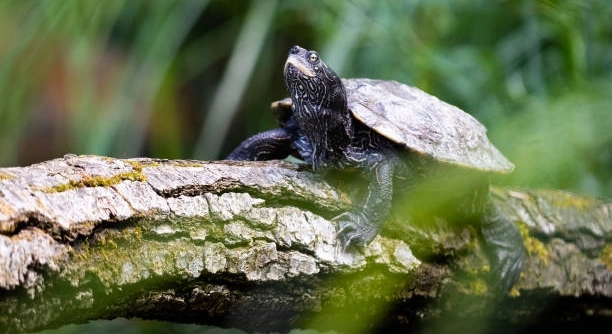
Map turtles are fascinating creatures, and their care requires attention to their unique needs. One common concern is shell peeling, which can be concerning for owners. Understanding the reasons behind this issue is key to keeping your turtle healthy.
The most common cause of shell peeling in map turtles is the natural shedding process, known as ecdysis. However, peeling can also result from environmental stress, poor diet, or health issues. Monitoring these factors can help identify the cause.
Proper care and monitoring can prevent future problems. Understanding the causes will allow you to ensure your map turtle’s well-being and help it thrive in its environment.
Natural Shedding Process
Turtles, including map turtles, go through a natural shedding process called ecdysis. As they grow, their outer shells must be replaced to accommodate their larger size. During this process, pieces of the shell may peel off. This is completely normal and often occurs in small patches. The frequency and amount of peeling can vary depending on the turtle’s age, size, and diet.
In young map turtles, shell peeling may happen more frequently as they grow faster. Older turtles may shed less often. While some shedding is healthy, it’s essential to monitor the process to ensure it isn’t excessive or accompanied by signs of infection or other health concerns. Proper hydration, a balanced diet, and the right environmental conditions all support healthy shedding.
If you notice your turtle shedding more than usual, make sure it’s not due to a diet deficiency or improper living conditions. Sometimes, external factors like temperature or lighting can influence how your turtle sheds its shell.
Diet and Nutritional Deficiencies
Diet plays an important role in your map turtle’s shell health. If your turtle’s diet lacks essential nutrients, it can result in peeling or softening of the shell. Calcium is especially crucial for shell development and repair. A deficiency can weaken the shell and lead to irregular shedding.
Ensure your turtle is getting a varied diet, including protein, vegetables, and proper calcium supplements. Offering a calcium-rich diet, like cuttlebone or calcium powder, can help support shell strength. Proper nutrition is one of the most effective ways to avoid unhealthy peeling and promote overall well-being.
Environmental Stress Factors
Stress is another significant factor that can lead to shell peeling in map turtles. Stress can be caused by various environmental factors, such as improper temperature, water quality, or overcrowding. If your turtle feels stressed, it can result in irregular shell shedding and other health issues.
To prevent this, maintain a stable habitat with clean water, proper heating, and a secure basking area. Ensure that your turtle has enough space to move around comfortably. If your turtle is housed with others, be mindful of territorial behaviors that may cause stress. A calm and consistent environment is key to reducing stress and promoting a healthy shell.
Poor Water Quality
Map turtles rely on clean water for their health, including their shell. Poor water quality, such as high levels of ammonia, nitrates, or low oxygen, can cause skin and shell issues. If left untreated, this can lead to peeling or other forms of damage.
To avoid water quality issues, regularly change the water and ensure proper filtration. Test water parameters frequently to monitor the levels of harmful substances. A clean and well-maintained tank will help prevent peeling and promote overall health. A good filter, along with regular water changes, is key to keeping your turtle’s habitat in top shape.
Map turtles are sensitive to water conditions, and their shells can suffer if their environment is compromised. In addition to maintaining clean water, you should keep the water temperature consistent. Extreme fluctuations can stress the turtle and lead to shell peeling. Proper water care is essential for your turtle’s well-being.
Shell Injuries
Injuries to the shell can also cause peeling. Map turtles may accidentally injure their shells while navigating their environment. These injuries may be minor, but they can still result in peeling or scarring as the shell heals.
If you notice any scratches, cracks, or holes in your turtle’s shell, it’s important to address them quickly. Clean the injured area gently and monitor for signs of infection, such as swelling or discoloration. You can help prevent further damage by providing your turtle with a secure environment free of sharp objects or hazards. Regularly check for injuries, as prompt care can prevent more serious issues down the line.
Overexposure to UV Light
Excessive UV light can lead to shell problems in map turtles. If they are exposed to too much direct sunlight or artificial UV light for long periods, it may cause their shell to peel or become brittle.
It’s important to balance UV exposure by using proper lighting in their tank. Provide your turtle with a basking area with controlled light exposure, and make sure they can retreat from it when needed. Too much UV light can stress their system and harm their shell, so moderation is key.
Temperature Fluctuations
Temperature changes can cause stress and affect the health of your turtle’s shell. If the water or basking area temperature fluctuates too much, it can result in peeling or softening of the shell.
Maintaining a stable temperature is crucial. Map turtles need water temperatures between 75-80°F and basking temperatures around 90°F. Too cold or too hot can cause discomfort and contribute to shell issues. Use a reliable thermometer to monitor the tank’s temperature and avoid sudden changes to ensure a comfortable environment.
Poor Shell Care
Your map turtle’s shell requires regular attention. If they aren’t properly cared for, it can result in peeling. Without proper hydration, a good diet, and clean conditions, their shell health may decline.
Providing your turtle with regular bathing and access to clean water is essential for maintaining healthy shell growth. Offer calcium-rich foods and supplements, and keep their habitat clean to prevent buildup of bacteria or algae that can harm the shell. Regular care will keep their shell strong and prevent peeling.
FAQ
Why is my map turtle’s shell peeling?
Shell peeling in map turtles is often a natural process known as ecdysis. As the turtle grows, its outer shell sheds to make room for a larger one. This can happen in small patches and is usually nothing to worry about. However, if the peeling is excessive or accompanied by other symptoms like soft or discolored patches, it may indicate a nutritional deficiency, environmental stress, or water quality issues.
When should I be concerned about shell peeling?
While occasional shell shedding is normal, you should be concerned if the peeling is accompanied by signs of injury, infection, or softening. If the shell begins to soften or shows signs of cracking or discoloration, it may indicate a lack of proper calcium or other nutrients. Additionally, excessive peeling due to environmental stress, such as poor water conditions, is a cause for concern.
How do I prevent shell peeling in my map turtle?
To prevent shell peeling, maintain a stable environment with clean water, proper UV lighting, and the right temperature. Offer a balanced diet rich in calcium, such as leafy greens, protein sources, and calcium supplements like cuttlebone. Regular water changes and proper filtration help prevent bacteria buildup that can harm your turtle’s shell.
How can I tell if my turtle’s shell is unhealthy?
An unhealthy shell may show signs such as softness, cracking, discoloration, or abnormal peeling. If the shell becomes soft or thin, it could be due to a calcium deficiency. Dark, discolored spots or holes in the shell can indicate infections or injury. Regularly check for these signs and ensure your turtle is getting the right care.
Is it normal for a map turtle to shed its scutes?
Yes, it is normal for a map turtle to shed its scutes. Scutes are the outer layers of the shell, and they shed as part of the growth process. This process can occur in patches, and it typically happens more often in younger turtles. Scute shedding helps make room for the new growth beneath.
What should I do if my map turtle’s shell is cracked?
If your map turtle’s shell is cracked, clean the area gently with a saline solution and monitor for any signs of infection. For small cracks, you may need to apply a non-toxic adhesive to seal the crack and prevent further injury. If the crack is large or goes through the shell, seek a vet’s advice.
Can poor water quality cause my turtle’s shell to peel?
Yes, poor water quality is a common cause of shell problems, including peeling. High levels of ammonia, nitrates, or low oxygen can cause skin and shell damage. Regularly test the water parameters and ensure the tank is cleaned and filtered properly to avoid these issues. Clean water is essential for maintaining a healthy shell.
How often should I change the water in my turtle’s tank?
It’s best to change 25-50% of your turtle’s water every week, depending on the tank size and the number of turtles. Keeping the water clean helps prevent bacterial buildup and maintains good water quality, which is crucial for your turtle’s health. Regular water changes also help prevent shell issues like peeling and discoloration.
Can a lack of UVB light cause shell peeling?
Yes, a lack of UVB light can contribute to shell problems. UVB light is essential for turtles to metabolize calcium properly, which helps maintain a strong, healthy shell. Without proper UVB exposure, your turtle may develop shell issues, including peeling, softening, and deformities. Make sure your turtle has access to a good UVB light source.
How can I ensure my turtle gets enough calcium?
Provide calcium-rich foods like dark leafy greens (kale, collard greens), and consider adding calcium supplements, such as cuttlebone or calcium powder, to their diet. Calcium is vital for shell health and overall well-being. Ensure that your turtle gets a balanced diet that includes protein, vitamins, and minerals to support healthy growth and shell maintenance.
Can shell peeling be a sign of a vitamin deficiency?
Yes, shell peeling can sometimes be linked to a vitamin deficiency, particularly a lack of vitamin A or calcium. Vitamin A helps maintain the health of the skin and shell, and a deficiency can cause excessive peeling. Ensure your turtle’s diet includes a variety of vitamin-rich foods like leafy greens and animal protein to prevent deficiencies.
What are the signs of shell rot in map turtles?
Shell rot in map turtles is often characterized by soft, mushy areas on the shell, usually accompanied by foul odors or discoloration. It can occur when bacteria infect the shell due to poor water quality, injuries, or improper care. If you notice these signs, consult a vet immediately for treatment.
Is shell peeling a sign of stress in map turtles?
Yes, stress is one of the environmental factors that can lead to shell peeling. Stress can be caused by factors like overcrowding, improper temperature, poor water quality, or a lack of hiding spaces. A stressed turtle may exhibit more peeling or other signs of poor health, such as reduced appetite or lethargy. Providing a calm, well-maintained environment will help reduce stress and keep your turtle healthy.
How can I treat peeling caused by water quality issues?
If the peeling is caused by poor water quality, address the water conditions first. Perform a water change, clean the tank, and test the water for ammonia, nitrates, and pH levels. Ensure the water is filtered properly and that the tank is kept clean to prevent further issues. Healthy water will reduce the risk of shell damage and peeling.
Can overexposure to heat or UV light cause shell peeling?
Yes, overexposure to excessive heat or UV light can stress your turtle and lead to shell peeling. Too much UV light can dry out the shell, while excessive heat can cause dehydration and stress. Ensure that your turtle has access to a basking area with moderate UV exposure and temperature, and provide areas to cool down as needed.
Final Thoughts
Shell peeling in map turtles is usually a normal process as they grow, but it’s important to keep an eye on it. In most cases, the peeling is just the shedding of old scutes, and the new shell underneath is forming properly. However, if the peeling becomes excessive or is accompanied by other symptoms such as cracks, softness, or discoloration, it could signal underlying health issues. These can include poor water quality, nutritional deficiencies, or stress. Ensuring your turtle has the right environment and diet can help prevent these problems.
A key part of keeping a healthy map turtle is maintaining their habitat. Clean, filtered water is essential for their well-being, and regular water changes help to reduce the risk of bacterial infections and other health issues. You also want to make sure your turtle has the right lighting, including UVB light, to help with calcium absorption and shell health. A balanced diet that includes calcium-rich foods like leafy greens and occasional calcium supplements is equally important. This helps to keep their shells strong and prevents softening, which can lead to other complications.
If you notice more severe signs like softening of the shell, injuries, or foul-smelling patches, it’s best to seek veterinary advice. Shell rot or infections can be serious and require immediate treatment. By addressing water quality, diet, and overall care, you can help ensure your turtle lives a healthy life with minimal shell issues. Regular check-ups and a well-maintained environment are the best ways to avoid problems and support your map turtle’s long-term health.

Hello,
If you enjoy the content that we create, please consider saying a "Thank You!" by leaving a tip.
Every little bit helps us continue crafting quality advice that supports the health, happiness, and well-being of pets around the world, for pets of all shapes, sizes, and species.
We really appreciate the kindness and support that you show us!