
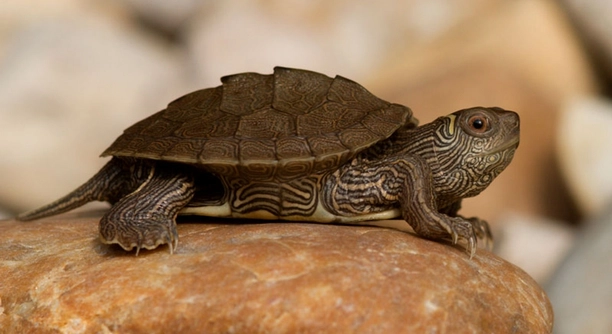
A cloudy tank can be frustrating for map turtle owners. If you’re dealing with this issue, it’s important to understand the reasons behind the cloudiness. A clear tank is essential for both the health of your turtle and your enjoyment.
The main cause of cloudy water in a map turtle tank is poor water filtration or excessive waste buildup. Uneaten food, turtle waste, and other organic matter can cloud the water. Regular maintenance and proper filtration are essential for clear water.
Proper cleaning and a consistent filtration routine will improve the tank’s condition. We’ll go over practical solutions to clear up the water and keep your map turtle tank looking its best.
Poor Filtration Can Lead to Cloudy Water
A good filtration system is key to keeping your tank clean. If the filter is not powerful enough or is clogged, it can’t effectively remove debris and waste. This can result in cloudiness in the water, as particles float around without being removed. Over time, without proper filtration, these particles build up, worsening the clarity of your tank water.
Even a high-quality filter needs regular maintenance. If it hasn’t been cleaned or replaced in a while, it can lose its effectiveness. Make sure your filter is working as it should by checking its power, cleaning it regularly, and replacing filters as needed.
A proper filter also helps maintain the water’s chemical balance. It prevents harmful substances from accumulating, which can create an unhealthy environment for your turtle. A good filtration system is not just about clear water—it’s crucial for your turtle’s health. Replacing your filter or upgrading it will help maintain clean and clear water for your map turtle.
Water Changes are Essential
One of the easiest ways to keep your turtle tank clear is by doing regular water changes.
Replacing 20-30% of the water weekly helps remove waste and reduces the buildup of harmful substances. It also gives your filtration system a break, ensuring the water stays fresh and clean.
Uneaten Food
Leaving uneaten food in the tank leads to cloudy water. It breaks down into waste, increasing the overall debris. Feed your map turtle only as much as it can eat in 15-20 minutes. Remove any excess food after feeding to prevent it from decomposing in the tank.
After each feeding session, inspect the tank and remove leftover food. It’s important not to let the food sit, as it can quickly spoil and contribute to cloudiness. Overfeeding is a common mistake, and controlling portion sizes will ensure the tank stays cleaner longer. Keeping a feeding schedule and sticking to it can be helpful.
If leftover food continues to be an issue, consider switching to smaller, easier-to-eat portions. You can also try using a feeding container to keep the food contained and prevent it from scattering around the tank. Cleaning up immediately after feeding helps to maintain clear water.
Poor Water Quality
Cloudy water can be a sign of poor water quality, which can harm your turtle’s health.
Test your tank’s water regularly for ammonia, nitrites, and nitrates. If these levels are too high, it indicates that the tank’s biological filter isn’t working properly. High levels of these substances can cloud the water and lead to health issues for your turtle. Using water conditioners can help manage these chemicals and improve the water quality.
It’s also important to monitor the temperature and pH levels. Extreme fluctuations in either of these can stress your turtle and contribute to cloudy water. If the water quality is constantly poor despite regular cleaning, you might need to adjust the filtration system or try a more thorough water treatment plan. Proper water quality is essential for the health of your map turtle and the clarity of its tank.
Overcrowding in the Tank
Too many turtles or tankmates can lead to excessive waste and cloudy water. Map turtles need enough space to move around and avoid stress. When a tank is overcrowded, waste buildup increases quickly, overwhelming the filtration system.
Keeping the tank’s population low will help prevent this issue. Ensure that each turtle has sufficient space for swimming and basking. Overcrowding can also stress your turtles, making them more susceptible to health problems. Regular cleaning and filtration will still be necessary, but reducing the number of inhabitants can make a big difference.
Tank Decorations and Substrate
Tank decorations and substrate can collect debris and organic matter, causing cloudy water.
Ensure that decorations are easy to clean and that substrates, like gravel or sand, are thoroughly rinsed before use. These materials can trap waste, leading to water contamination. If decorations are difficult to clean, consider switching to simpler, smooth options.
Regularly vacuum the substrate to remove any trapped waste. You may also want to replace the substrate every few months, as it can accumulate bacteria and debris over time. Cleaning decorations and substrates is a key step in maintaining a healthy and clear tank environment.
Algae Growth
Algae can contribute to cloudy water if it grows uncontrollably.
Excessive light or nutrients can lead to an algae bloom. To combat this, limit the amount of direct sunlight the tank receives. You can also add algae-eating species to your tank to help control algae growth. Additionally, reduce the frequency of feeding to prevent excess nutrients in the water.
FAQ
Why is my map turtle tank cloudy even after cleaning?
Cloudiness can persist even after cleaning if there are issues with filtration or water quality. If your filter is underperforming or too small for the tank size, it won’t be able to clear the water effectively. Additionally, poor water chemistry (such as high ammonia or nitrate levels) can also contribute to cloudiness. Make sure to test the water regularly and clean the filter thoroughly. Regular water changes are also necessary to maintain good water quality.
How often should I change the water in my map turtle tank?
Changing the water is essential for maintaining clarity and the health of your turtle. A 20-30% water change every week is a good routine to follow. In some cases, more frequent changes may be necessary if the tank is overstocked or if there’s excessive waste buildup. Always check the water parameters to ensure the tank’s environment is healthy for your turtle.
Can I use tap water for my map turtle tank?
You can use tap water, but it’s important to treat it first. Tap water often contains chlorine or chloramine, which can be harmful to your turtle. Use a water conditioner to remove these chemicals before adding the water to the tank. It’s also important to monitor the pH and hardness of the tap water to ensure they are suitable for your turtle.
How can I prevent algae from growing in my map turtle tank?
Excessive algae growth is often caused by too much light or nutrient-rich water. To reduce algae, limit direct sunlight exposure and ensure your tank is not overfed. You can also add algae-eating species, such as snails, to help control algae. Regular cleaning, including vacuuming the substrate, will also help reduce algae buildup.
What should I do if my turtle seems stressed by the cloudy water?
Stress can be a result of poor water quality, improper tank conditions, or overcrowding. If your turtle seems stressed, check the water parameters, including temperature, pH, and ammonia levels. Make sure the tank is large enough and the filtration is adequate. Regularly clean the tank and ensure there’s enough space for the turtle to move comfortably.
How can I know if my turtle’s water filter is working properly?
Check the flow rate of the filter. If the water is moving slowly or not at all, the filter might be clogged. Clean the filter regularly and ensure it’s appropriate for the size of the tank. Some filters have an indicator to show whether they need maintenance, but it’s also a good idea to check the filter’s performance by observing the water’s clarity and flow.
Is it normal for my map turtle to leave a mess in the tank?
Yes, turtles can create a mess in the tank due to their waste and uneaten food. It’s part of being a turtle owner. However, to maintain clean water, regular cleaning is necessary. Remove uneaten food and waste daily, and make sure your filter is capable of handling the tank’s load. Proper water changes and good filtration will help keep the water clearer for longer.
Why does my map turtle tank water have a strong odor?
A strong odor usually indicates that there’s an issue with water quality, such as excess organic matter breaking down. This can come from uneaten food, waste, or a lack of proper filtration. To fix this, do a partial water change, clean the filter, and remove any debris from the tank. Regular maintenance will help keep odors at bay.
Can I use a sponge filter for my map turtle tank?
Sponge filters can work for smaller tanks, but they might not be powerful enough for larger setups or heavily stocked tanks. While sponge filters are gentle and safe for your turtle, you might need a more powerful filter to keep the water clear, especially if you have a larger tank or multiple turtles. It’s important to choose a filter that matches the size of your tank and the needs of your turtle.
Should I remove my map turtle during a tank cleaning?
It’s a good idea to remove your turtle during tank cleaning, especially if you’re performing a deep clean. This ensures that your turtle doesn’t become stressed by the cleaning process or exposed to potentially harmful chemicals from water treatments. Make sure to place your turtle in a safe, temporary container with water while you clean the tank. Always check the water temperature and parameters before returning your turtle to the tank.
What’s the best substrate for a map turtle tank?
Smooth river rocks or fine gravel are ideal for map turtle tanks. Avoid using rough or sharp substrates, as they can injure your turtle. Sand can also be used but should be kept clean and free of debris. It’s important to vacuum the substrate regularly to prevent waste buildup. Some turtle owners prefer bare-bottom tanks for easier cleaning, which can be a good option as well.
How long does it take for a filter to clear cloudy water?
Depending on the severity of the cloudiness, it can take anywhere from a few hours to a few days for the filter to clear the water. If the filter is working well and the water quality is improving, you should start seeing clearer water after 24 to 48 hours. In cases of severe cloudiness, a water change and additional cleaning may be necessary to speed up the process.
Why does my map turtle’s water turn green?
Green water is usually caused by an algae bloom, often due to too much light or nutrients in the water. Reduce the amount of direct sunlight the tank receives, and avoid overfeeding your turtle. Adding algae-eating species, such as snails, and performing regular tank maintenance will help control algae growth and keep the water clear.
Final Thoughts
Maintaining a clean and clear tank for your map turtle is essential for their health and well-being. Cloudy water can result from several factors, including overfeeding, inadequate filtration, overcrowding, and poor water quality. By addressing these issues, you can create a better environment for your turtle. Regular maintenance, including water changes, filter cleaning, and tank monitoring, can go a long way in preventing cloudiness. Paying attention to water parameters, such as pH, ammonia, and nitrate levels, is crucial for long-term tank stability.
The key to reducing cloudy water is understanding the causes and taking proactive steps. Ensure your filter is strong enough for the tank size and that you’re cleaning it regularly. Remove uneaten food and waste daily, and avoid overcrowding the tank. Make sure your turtle has enough space to thrive. Providing a stable environment will help reduce the chances of cloudiness. Additionally, keeping an eye on algae growth and limiting direct sunlight exposure can help maintain water clarity. Consider adding algae-eating species to your tank if algae growth is an ongoing issue.
While managing a turtle tank can be challenging at times, staying on top of maintenance will make it easier in the long run. By taking the right precautions and regularly checking on your tank’s health, you can keep the water clear and your turtle happy. Addressing water quality issues early is the best way to prevent bigger problems down the road. Cloudy water is a common issue, but with the proper care and attention, it’s possible to keep your turtle’s environment clean and safe.

Hello,
If you enjoy the content that we create, please consider saying a "Thank You!" by leaving a tip.
Every little bit helps us continue crafting quality advice that supports the health, happiness, and well-being of pets around the world, for pets of all shapes, sizes, and species.
We really appreciate the kindness and support that you show us!