
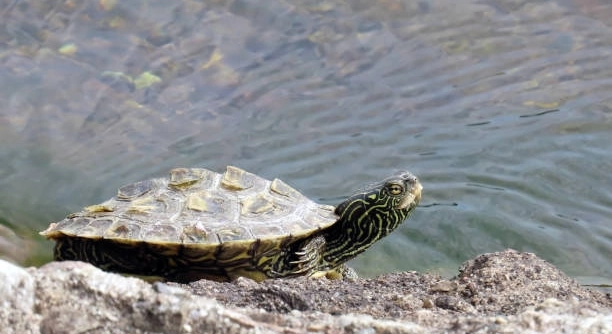
Map turtles come in two primary types: wild-caught and captive-bred. Each type has its unique characteristics, making them different in various ways. Understanding these differences can help you care for them better and make an informed choice.
Captive-bred map turtles are typically bred in controlled environments, whereas wild map turtles are captured from their natural habitats. Captive-bred turtles are often healthier, less stressed, and more accustomed to human care. Wild turtles, on the other hand, may face higher risks of disease and stress.
Knowing these differences helps ensure that your turtle remains healthy and thrives in its environment. Keep reading to learn more about the factors that make each type unique and how they affect your turtle’s care.
Health and Care Differences Between Captive-Bred and Wild Map Turtles
When it comes to caring for map turtles, their origins can play a major role in their overall health. Captive-bred turtles often have an easier time adjusting to a new environment. Since they are born in controlled settings, they are used to a consistent diet, temperature, and care routine. In contrast, wild map turtles may have suffered from conditions such as malnutrition, injury, or disease before being captured. They may be more susceptible to stress and need more time to adjust to captivity, potentially leading to health issues like reduced appetite or a weakened immune system.
Captive-bred turtles generally require less time to adapt, as they are raised in settings that mimic the care they’ll receive in captivity. In contrast, wild map turtles may face more challenges during the initial adjustment period due to prior exposure to unpredictable environments and environmental stressors.
It’s important to remember that wild turtles come from ecosystems with specific conditions. Their diet and care needs might differ significantly from those of captive-bred turtles, making it crucial to understand their history to provide the best care possible. By learning how to meet their unique needs, you’ll help ensure a long, healthy life for your turtle, whether it’s captive-bred or wild-caught.
Diet and Feeding Needs
Captive-bred map turtles usually have more stable feeding habits. Raised on a controlled diet, they are accustomed to specific foods like pellets, leafy greens, and occasional treats. Wild map turtles, on the other hand, may have a more varied diet based on what’s available in their natural habitat. This difference can make wild turtles more selective in their eating habits when introduced to a new diet in captivity.
Understanding the differences in diet is crucial. Wild map turtles eat a wide range of foods, from insects to plants, depending on their environment. They may be hesitant to eat pre-packaged foods, so providing a mix of live foods, like worms or insects, can help ease the transition. On the other hand, captive-bred turtles are more familiar with the foods commonly available in pet stores, which can make feeding them simpler. Nevertheless, it’s important to balance their diet with fresh vegetables, protein, and occasional treats for both types of turtles.
If you’re considering a map turtle as a pet, it’s essential to research what type of diet will suit them best based on their origins. Offering a variety of foods while paying attention to their nutritional needs is key to keeping them healthy. By being aware of these dietary differences, you can ensure your map turtle receives the proper nutrition, no matter where it comes from.
Behavior and Temperament
Captive-bred map turtles tend to be more accustomed to human interaction, making them easier to handle. These turtles are used to being around people and often show curiosity when approached. Wild map turtles, however, may exhibit more skittish behavior, avoiding contact or retreating into their shells when humans are nearby.
This difference in behavior stems from their experiences. Captive-bred turtles have been socialized with humans from a young age, making them less fearful of human presence. Wild map turtles, on the other hand, have lived in environments where human interaction is minimal, making them more sensitive to perceived threats. As a result, wild turtles may be more difficult to tame and may need more time to build trust.
It’s essential to be patient with wild map turtles, as their behavior is shaped by their previous experiences. With the right approach and environment, both captive-bred and wild map turtles can become comfortable in captivity. However, the process may take longer with wild turtles, so gradual interaction is key to fostering trust.
Environmental Needs
Captive-bred map turtles thrive in stable environments with regulated temperature and humidity. These turtles are accustomed to the controlled conditions of a pet habitat, which mimics their natural environment in a predictable way. Wild turtles, however, come from diverse environments with fluctuating temperatures and seasonal changes, making them more adaptable to a range of conditions.
While captive-bred map turtles are easier to care for in a typical pet setup, they still need a well-maintained habitat to thrive. It’s crucial to replicate natural conditions, such as water temperature and UVB lighting, to keep them healthy. Wild map turtles, though, have likely experienced variations in their habitat and may be more adaptable to changes in their surroundings, but they still need specific conditions to feel comfortable. Wild turtles may require more time to adjust to captivity, especially if they’ve been exposed to harsh conditions before being captured.
Understanding these environmental needs is crucial for both types of turtles. A well-maintained habitat is essential for both captive-bred and wild map turtles, but the care and attention required might differ based on their origin.
Lifespan and Growth Rate
Captive-bred map turtles typically grow at a more consistent rate due to stable diet and environment. These controlled conditions allow them to develop healthily and steadily. Wild map turtles may face growth delays or inconsistencies due to environmental stressors and limited resources in their natural habitats.
The growth rate of wild map turtles can be unpredictable, as they often have to compete for food and deal with environmental stressors that hinder their development. Captive-bred turtles, however, benefit from a steady supply of food and a regulated environment, which supports optimal growth. With proper care, these turtles can reach maturity at a more predictable age compared to their wild counterparts.
Breeding and Reproduction
Captive-bred map turtles are often more successful when breeding in controlled environments. These turtles are familiar with the breeding conditions, making the process smoother. Wild map turtles, however, can be harder to breed in captivity, as they may not adapt well to confined spaces and artificial setups.
Reproductive success in wild turtles can be limited when they are placed in captivity, as they might struggle with the lack of seasonal cues or their natural environment. In contrast, captive-bred turtles may reproduce more easily, thanks to the predictable temperature, humidity, and diet that supports their natural instincts. These conditions can encourage breeding at the right time and increase the likelihood of successful hatching.
Cost and Availability
Captive-bred map turtles are typically more expensive than wild-caught ones. The breeding process and care required to raise these turtles in captivity drive up the cost. Wild map turtles may be easier to find and less expensive, but they come with risks, such as potential legal issues or health concerns.
Captive-bred turtles offer peace of mind in terms of health, as they are raised in controlled environments and are less likely to carry diseases or parasites. Wild-caught turtles, while cheaper, may bring hidden costs such as veterinary care or the stress of adapting to captivity. It’s important to weigh the cost and long-term benefits when choosing between the two types.
FAQ
What is the main difference between captive-bred and wild map turtles?
The main difference between captive-bred and wild map turtles is their upbringing. Captive-bred turtles are raised in controlled environments, making them more accustomed to human care. Wild map turtles, on the other hand, are caught from their natural habitats, which means they may be more stressed or have health issues when first introduced to captivity.
Are captive-bred map turtles healthier than wild-caught ones?
Yes, captive-bred map turtles tend to be healthier. They are raised in controlled environments with proper care, reducing their exposure to diseases or parasites commonly found in wild environments. Wild turtles may carry diseases or have injuries from the wild that can affect their health.
How do I care for a wild map turtle?
Caring for a wild map turtle requires patience. They might not adapt immediately to captivity, so it’s important to recreate their natural environment as closely as possible. Provide a proper diet, correct temperature, and a clean water source. It’s crucial to monitor their behavior and health closely as they adjust.
Can captive-bred map turtles live in the wild if released?
Captive-bred map turtles are not well-suited for life in the wild. They may struggle with finding food, avoiding predators, or adjusting to the temperature changes in their natural habitat. Releasing a captive-bred turtle into the wild could result in stress or even death due to their lack of survival skills.
Why are wild map turtles harder to care for?
Wild map turtles are often more difficult to care for because they are not accustomed to captivity. They may be stressed, have health issues, or be more sensitive to changes in their environment. It can take time for them to adjust, and they might be harder to handle.
What are the signs that a wild map turtle is stressed?
Signs of stress in wild map turtles include hiding more often, refusing to eat, or becoming more aggressive when handled. They might also have health problems, such as shell rot or respiratory issues, which can be worsened by the stress of adapting to a new environment.
Can wild map turtles be tamed?
Wild map turtles can be tamed over time, but it often requires more patience compared to captive-bred turtles. Gradual handling and creating a calm, stable environment can help them adjust. However, some wild turtles may always remain more wary of humans and less interactive.
What is the ideal tank size for a map turtle?
The ideal tank size for a map turtle depends on its age and size. A 40-gallon tank is suitable for smaller turtles, while larger turtles may need up to 100 gallons. Always ensure there is enough space for swimming and basking areas, as well as a filtration system to keep the water clean.
How often should I feed a map turtle?
Map turtles should be fed once a day for younger turtles, and two to three times a week for adults. Their diet should consist of high-quality pellets, vegetables, and occasional protein, such as insects or worms. Adjust the frequency based on their age and size.
Do wild map turtles need special care when brought into captivity?
Yes, wild map turtles often need special care when brought into captivity. They may require time to adjust to the new environment and food. It’s essential to monitor their health closely, provide a stable habitat, and offer a diet that closely resembles their natural food sources.
Can captive-bred map turtles be released into the wild?
Releasing captive-bred map turtles into the wild is not recommended. These turtles are not equipped to survive without the support of their caretakers. They may struggle to find food, face dangers from predators, or fail to adapt to the natural environment.
How can I tell if a captive-bred map turtle is healthy?
A healthy captive-bred map turtle will have clear, bright eyes, a smooth shell, and active behavior. It will eat regularly and be alert in its habitat. If the turtle seems lethargic, has cloudy eyes, or has shell damage, it may be unwell.
Are there any legal concerns with owning wild map turtles?
Yes, there may be legal concerns when owning wild map turtles. In some areas, it’s illegal to capture wild turtles due to conservation laws. Always check local regulations before acquiring a wild turtle to ensure that you are not violating any laws related to wildlife protection.
What should I do if I find a wild map turtle?
If you find a wild map turtle, it’s best to leave it in its natural habitat unless it is in immediate danger. If the turtle is injured or in a hazardous area, contact a local wildlife rescue or veterinarian for assistance. Never keep a wild turtle as a pet without proper research and permission.
Final Thoughts
Choosing between captive-bred and wild map turtles involves considering several factors that impact both the turtles and their owners. Captive-bred map turtles are generally easier to care for, as they are accustomed to a controlled environment and a stable diet. These turtles tend to be healthier, with fewer risks of carrying diseases that are common in wild turtles. However, they often come at a higher price due to the time and effort involved in breeding them. If you’re a first-time turtle owner or looking for a pet that will adapt well to captivity, a captive-bred turtle may be the right choice for you.
On the other hand, wild map turtles can present more challenges in terms of care and adaptation. These turtles may carry diseases or parasites that can affect their health once brought into captivity. Additionally, wild turtles may have trouble adjusting to life in a tank, as they are used to roaming freely in their natural habitats. Their stress levels can be higher when confined, which may lead to health problems or even behavioral issues. However, for those who have experience with turtle care and want to help preserve wildlife, adopting a wild map turtle can be a rewarding, though more demanding, experience.
Ultimately, both captive-bred and wild map turtles require a commitment to their well-being. Captive-bred turtles may be easier to manage and better suited for beginners, while wild map turtles can offer a more challenging but fulfilling experience. It’s important to assess your ability to care for a turtle, research the species thoroughly, and ensure that your living space and time commitment match the needs of whichever turtle you decide to care for. Whatever choice you make, providing the right environment, diet, and care will be crucial to the turtle’s long-term health and happiness.

Hello,
If you enjoy the content that we create, please consider saying a "Thank You!" by leaving a tip.
Every little bit helps us continue crafting quality advice that supports the health, happiness, and well-being of pets around the world, for pets of all shapes, sizes, and species.
We really appreciate the kindness and support that you show us!