
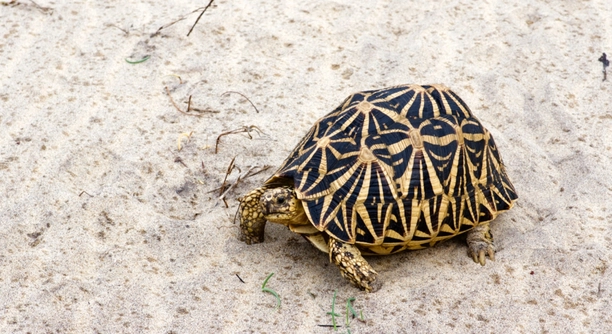
If you have an Indian Star Tortoise, you may have noticed changes in its shell. Sometimes, its vibrant colors can start to fade or lose their intensity. This article will explain why that happens.
The loss of color in an Indian Star Tortoise’s shell is often linked to environmental factors, poor diet, or health issues. It could be a sign of stress, improper lighting, or nutritional deficiencies affecting your tortoise’s well-being.
Taking care of your tortoise’s shell requires addressing various factors. Understanding how different elements affect its health will help ensure a happier and healthier tortoise in the long run.
Understanding the Indian Star Tortoise’s Shell Color
The Indian Star Tortoise is known for its striking shell patterns, which can lose their vibrancy for several reasons. If your tortoise’s shell is fading or changing color, it’s important to address it quickly. The shell is not only a beautiful feature but also an essential part of your tortoise’s health. A dull or discolored shell might indicate underlying issues, such as improper diet, lack of proper lighting, or health problems. Your tortoise’s shell serves as a protective barrier, and keeping it healthy requires understanding the factors that affect its appearance.
Proper care goes beyond just feeding. If the environment isn’t right or the tortoise isn’t getting enough calcium or vitamin D3, the shell can become pale or even misshapen. Additionally, a lack of exposure to natural sunlight or UVB light can lead to a loss of color and cause long-term damage. It’s important to adjust lighting and diet to support the shell’s health, helping restore its natural luster.
The health of your tortoise’s shell is closely tied to how you care for it day to day. Regularly checking the conditions it lives in—whether that’s the temperature, humidity, or access to the right nutrients—will ensure your tortoise’s shell stays vibrant. Consider consulting a veterinarian if you notice more significant changes in color or texture, as this could indicate a health issue that requires professional care.
Nutrition and Shell Color
Diet is crucial when it comes to maintaining the shell’s color.
A well-balanced diet helps provide the necessary nutrients to support your tortoise’s shell and overall health. Ensure your Indian Star Tortoise gets a variety of leafy greens, fruits, and calcium-rich foods. This will promote healthy shell growth and color.
Environmental Factors Affecting Shell Color
The environment plays a big role in how your tortoise’s shell looks. If it isn’t getting enough UVB light or if the habitat’s humidity isn’t right, the shell can lose its color. Tortoises need natural sunlight or a proper UVB light source to stay healthy and vibrant.
Exposure to sunlight or UVB light helps your tortoise process vitamin D3, which is crucial for calcium absorption. Without this, your tortoise’s shell can become dull and weak. If your tortoise lives indoors, use a high-quality UVB lamp to mimic natural sunlight. Be sure to place it at the proper distance to ensure it’s effective. Regularly check the bulb’s strength since UVB lights lose their effectiveness over time.
Temperature is another factor. A temperature gradient in the habitat allows your tortoise to regulate its body heat. If the environment is too hot or too cold, it can stress your tortoise, leading to changes in shell appearance. Maintain a consistent temperature and humidity level for optimal shell health.
The Role of Hydration
Hydration is key to a healthy tortoise shell.
Dehydration can cause a tortoise’s shell to become dry and brittle, leading to color fading. Offer fresh water daily, ensuring that your tortoise has constant access to it. If your tortoise is not drinking enough, consider soaking it in shallow water for a few minutes each day to boost hydration levels.
Health Issues Affecting the Shell
Illness or infection can lead to changes in shell color. When a tortoise is unwell, its body might divert energy from maintaining its shell to dealing with the illness. This can result in a faded or dull shell. Keep an eye out for any signs of sickness.
If your tortoise is lethargic, has a loss of appetite, or is showing abnormal behavior, it could indicate a health issue. An untreated infection or disease can have long-term effects on the shell and overall health. Consult a vet if you notice any unusual symptoms to prevent further complications.
Shell Rot and Its Impact
Shell rot is a common condition that can cause discoloration. It often results from poor hygiene or excessive moisture in the environment.
If your tortoise’s shell appears soft, wet, or discolored with pits or sores, it could be an early sign of shell rot. Prompt treatment is necessary to prevent the infection from spreading. Keeping your tortoise’s habitat clean and dry can help avoid this condition.
FAQ
Why is my tortoise’s shell turning white?
A white shell could indicate calcium deficiency or inadequate lighting. Calcium is essential for shell health, and without it, the shell may lose color or develop white patches. Ensure your tortoise is receiving a proper diet with calcium supplements, and check that it has access to UVB light. Without UVB, your tortoise can’t effectively process calcium, which can lead to shell problems.
How can I tell if my tortoise is dehydrated?
Dehydration can cause your tortoise’s shell to appear dull, dry, and brittle. If your tortoise isn’t drinking water or eating moist foods, it might not be hydrated enough. You can soak your tortoise in shallow warm water for 20 minutes to help with hydration. Also, offering water daily can prevent dehydration.
Is my tortoise’s shell color fading because of stress?
Yes, stress can cause changes in shell color. If your tortoise is not comfortable in its environment—whether from improper temperature, lack of space, or handling—it might show signs of stress, including fading shell colors. Addressing environmental factors and reducing handling can help prevent stress and keep the shell healthy.
Can poor diet cause my tortoise’s shell to lose color?
Yes, a poor diet can significantly impact your tortoise’s shell. If your tortoise isn’t getting enough nutrients, particularly calcium and vitamins A and D3, its shell may lose color or become weak. A balanced diet consisting of leafy greens, flowers, and occasional fruits, along with calcium supplements, is necessary for maintaining shell color and overall health.
How long does it take for a tortoise’s shell color to return?
The time it takes for your tortoise’s shell color to return depends on the cause of the discoloration. If it’s due to diet or environmental factors, it may take a few weeks to a couple of months with proper care. However, if there’s a health issue, it could take longer, and you may need veterinary assistance to resolve the problem.
What kind of lighting does my tortoise need?
Your tortoise needs access to both UVA and UVB light. UVA helps with behavior regulation, while UVB is crucial for calcium absorption and maintaining a healthy shell. You should use a UVB bulb specifically designed for reptiles, and place it at the appropriate distance to ensure your tortoise gets the right exposure.
Can I use a regular light bulb for my tortoise’s habitat?
No, regular light bulbs do not provide UVB rays, which are necessary for your tortoise’s health. It’s important to use a reptile-specific UVB bulb to mimic natural sunlight. Regular light bulbs only provide heat but do not offer the UVB necessary for proper calcium metabolism.
Is it safe to handle my tortoise if its shell is losing color?
It’s okay to handle your tortoise if its shell is losing color, as long as it is not under stress or ill. However, excessive handling should be avoided, as it could contribute to stress. Always make sure the environment is right and that your tortoise is comfortable.
What should I do if my tortoise’s shell has become soft?
A soft shell is a sign of calcium deficiency or metabolic bone disease. You should provide more calcium in your tortoise’s diet, either through food or supplements. In addition, ensure that your tortoise has access to UVB light for proper calcium absorption. If the softness persists, consult a veterinarian for a proper diagnosis.
Can a tortoise’s shell color change with age?
Yes, a tortoise’s shell can change color as it matures. Juvenile tortoises often have brighter and more vivid shell patterns, which may become more muted with age. However, if the color change is rapid or accompanied by other symptoms like a loss of appetite or lethargy, it could indicate a health issue that needs attention.
What can I do to restore my tortoise’s shell color?
To restore your tortoise’s shell color, focus on providing a proper diet with sufficient calcium and vitamins, ensuring it gets enough UVB light, and maintaining the right temperature and humidity in its habitat. Consistency in care is key to supporting healthy shell growth and color.
Should I be concerned if my tortoise’s shell has cracks or chips?
Yes, cracks and chips in a tortoise’s shell can be a cause for concern. These could be the result of physical trauma or a sign of poor health, such as malnutrition. If your tortoise has shell damage, you should immediately consult a veterinarian for treatment to avoid infection or further damage.
How do I prevent my tortoise’s shell from losing color?
To prevent shell discoloration, ensure your tortoise has a well-balanced diet, proper hydration, and adequate exposure to UVB light. Regularly monitor your tortoise’s living conditions, including temperature and humidity levels, to keep the environment stable and conducive to healthy shell maintenance.
Final Thoughts
Caring for an Indian Star Tortoise involves more than just feeding and keeping it in a safe space. The condition of its shell is a reflection of its overall health, and when its color starts to fade, it can indicate problems. Whether it’s due to an improper diet, lack of UVB light, dehydration, or stress, these issues can usually be corrected with some attention to its environment and daily care. Regularly checking the habitat conditions, such as temperature, humidity, and lighting, is important in preventing problems related to the shell.
Proper nutrition is one of the most important aspects of maintaining a healthy shell. Calcium, vitamin D3, and other essential nutrients are necessary for growth and shell integrity. A diet that includes leafy greens, fruits, and occasional flowers, along with calcium supplements, can make a big difference in how your tortoise’s shell looks and feels. It’s also crucial to provide clean, fresh water daily, as hydration directly impacts the condition of the shell. Without the right nutrients and hydration, your tortoise may experience dullness or even weakening of its shell over time.
Lastly, if you notice significant changes in the shell’s appearance or other signs of illness, it’s best to consult a veterinarian. While many shell problems can be resolved with changes to the tortoise’s environment and diet, some may be caused by infections or diseases that need professional care. Timely intervention can help prevent further complications and ensure your tortoise stays healthy and comfortable. Keeping your Indian Star Tortoise’s shell vibrant and strong is about understanding its needs and providing consistent, thoughtful care.

Hello,
If you enjoy the content that we create, please consider saying a "Thank You!" by leaving a tip.
Every little bit helps us continue crafting quality advice that supports the health, happiness, and well-being of pets around the world, for pets of all shapes, sizes, and species.
We really appreciate the kindness and support that you show us!