
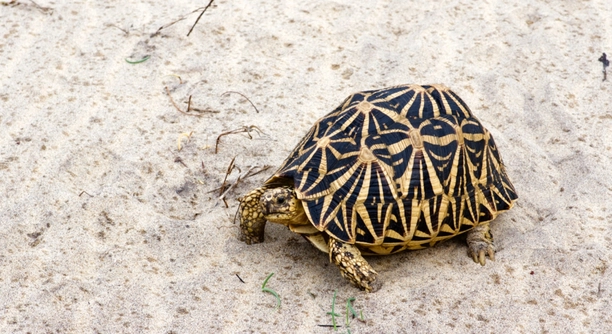
Indian star tortoises are popular pets, known for their unique appearance and docile nature. As a pet owner, understanding their diet is essential for keeping them healthy and happy. One food that may come to mind is lettuce.
Indian star tortoises can eat lettuce in moderation, but it should not be their primary food source. Lettuce, especially iceberg, lacks essential nutrients and can cause digestive issues when fed too frequently. A variety of leafy greens is ideal.
There are several types of lettuce and greens that are better suited for your tortoise. Knowing which ones are safe and nutritious will ensure your tortoise receives the best diet possible. Keep reading to find out more.
Why Lettuce Isn’t the Best Option for Indian Star Tortoises
Lettuce, especially iceberg, is commonly seen in many households as a go-to food for tortoises. However, it’s important to understand that while lettuce is safe to eat in small amounts, it does not provide the nutrients Indian star tortoises need for optimal health. The water content in lettuce is high, which can lead to diarrhea or dehydration if consumed too much. Additionally, iceberg lettuce has little nutritional value, offering almost no vitamins or minerals. Other types of lettuce, such as romaine or red leaf, are slightly better but still lack key nutrients like calcium and fiber.
To keep your tortoise healthy, you should focus on providing a varied diet that includes nutrient-dense greens, such as dandelion greens, collard greens, or kale. These greens are rich in essential vitamins and minerals and can help prevent health problems like metabolic bone disease, which is common in reptiles lacking calcium. A balanced diet is key for your tortoise’s long-term well-being.
Incorporating a variety of greens into their diet is vital for maintaining good health. Offering fresh, calcium-rich foods ensures your Indian star tortoise gets the right amount of nutrients without the risks that come with feeding them too much lettuce.
The Best Greens for Your Tortoise
When choosing greens for your Indian star tortoise, go for dark, leafy options.
Dandelion greens, collard greens, and mustard greens are great choices as they are packed with calcium, fiber, and other important nutrients. These foods can help keep your tortoise’s bones strong and support overall health. You can also feed them safe, non-toxic weeds like clover and plantain. Be sure to wash all greens thoroughly before feeding to remove any pesticides or contaminants. A mix of these greens will provide a more varied diet that caters to your tortoise’s nutritional needs. Avoid feeding them too much high-oxalate foods like spinach, which can interfere with calcium absorption.
Why Iceberg Lettuce Should Be Avoided
Iceberg lettuce offers very little nutrition for your Indian star tortoise. It is mostly water and can cause digestion issues if fed frequently. It’s best to avoid this type of lettuce altogether, as it doesn’t support the health needs of your tortoise. Instead, opt for other leafy greens that are more nutrient-rich.
Feeding iceberg lettuce too often can lead to poor digestion and dehydration in your tortoise. The low fiber content won’t help with their digestive health, and the lack of vitamins and minerals means your tortoise won’t get the proper nourishment it requires. Stick to more nutritious alternatives like kale or collard greens.
If you want to ensure a balanced diet, it’s important to steer clear of iceberg lettuce and stick to darker greens that offer the necessary vitamins. Offering a variety of better options will promote long-term health and prevent issues associated with an unbalanced diet.
Lettuce Alternatives for a Healthier Diet
There are many healthier options you can offer your tortoise instead of lettuce.
Collard greens, mustard greens, and dandelion greens are excellent choices that provide calcium, fiber, and important vitamins. These greens not only help with digestion but also support the growth and maintenance of strong bones. Regularly feeding your tortoise these varieties can promote its overall health and prevent common health issues. Additionally, these greens are more accessible and easy to find in most grocery stores or local markets.
Make sure to rotate different types of greens to ensure a diverse and well-balanced diet. Always aim to avoid offering the same green every day. Variety is key to making sure your tortoise is getting all the nutrients it needs.
The Role of Calcium in a Tortoise’s Diet
Calcium is crucial for the growth and maintenance of strong bones in your Indian star tortoise. A diet that lacks enough calcium can lead to metabolic bone disease. Make sure you include calcium-rich greens to prevent such health issues.
Greens like collard and mustard greens are high in calcium. You can also offer calcium supplements if needed. Always ensure that your tortoise has access to these vital nutrients to keep its bones healthy and strong. Proper calcium intake also helps in shell development and overall mobility.
Benefits of Dark Leafy Greens
Dark leafy greens are the best option for providing essential vitamins and minerals.
These greens are rich in fiber, calcium, and vitamins A and C. Offering a variety of these greens supports digestion and bone health while preventing deficiencies. Including them in your tortoise’s diet ensures they receive a well-rounded nutritional profile, promoting longevity and vitality. Regularly rotating these greens will ensure a balanced and healthy diet for your tortoise.
FAQ
Can Indian star tortoises eat iceberg lettuce?
Indian star tortoises can technically eat iceberg lettuce, but it should be avoided as a regular part of their diet. Iceberg lettuce is mostly water and lacks nutritional value, which means it doesn’t provide the vitamins and minerals that are essential for their health. Feeding it too frequently can lead to digestion issues like diarrhea and dehydration. Stick to more nutritious leafy greens like romaine or kale to ensure your tortoise gets a balanced diet.
What is the best food for an Indian star tortoise?
The best food for an Indian star tortoise includes a variety of leafy greens such as dandelion greens, collard greens, and mustard greens. These offer the right balance of calcium, fiber, and vitamins. Adding a small amount of edible flowers like hibiscus or clover can provide extra variety and nutrients. Avoid feeding them too many high-oxalate foods like spinach, as they can interfere with calcium absorption. Regularly changing up the greens you offer will help keep their diet balanced and ensure they receive all the essential nutrients.
How often should I feed my Indian star tortoise?
Indian star tortoises should be fed once a day, though young tortoises may require more frequent meals. As they grow older, you can decrease their feeding to every other day. The amount you feed will depend on the size and age of your tortoise, but always aim to provide enough food that they can consume within 15 to 20 minutes. Be careful not to overfeed them as this can lead to obesity and other health problems. Always ensure fresh, clean food is available and avoid leaving uneaten food for too long.
Can I feed my tortoise fruit?
Fruits can be offered to Indian star tortoises in moderation, but they should not make up the majority of their diet. Fruits are high in sugar and can cause digestive issues if fed too often. Some good fruit options include small pieces of melon, papaya, or berries. However, fruits should only be an occasional treat, given once or twice a week, alongside their leafy greens. Always remove any uneaten fruit to prevent it from spoiling and making your tortoise sick.
Are there any foods that are toxic to Indian star tortoises?
Yes, several common foods are toxic to Indian star tortoises. Avoid feeding them lettuce types with high levels of oxalates, like spinach or rhubarb, as these can interfere with calcium absorption. Other toxic foods include avocado, onion, garlic, and mushrooms. Be sure to research any new food before offering it to your tortoise to ensure it is safe. If you are ever unsure, it’s best to stick to well-known safe foods like leafy greens and flowers.
Do Indian star tortoises need calcium supplements?
Indian star tortoises often require calcium supplements, especially if their diet lacks enough calcium-rich greens. Calcium is essential for bone and shell development, and a deficiency can lead to serious health problems like metabolic bone disease. You can provide calcium supplements in the form of powder or cuttlebone, which they can nibble on. If you’re feeding your tortoise a variety of calcium-rich foods, you may not need to supplement as often, but it’s always good to check with your vet for guidance.
Can Indian star tortoises eat flowers?
Indian star tortoises can safely eat certain flowers, making them a great addition to their diet. Edible flowers like hibiscus, dandelions, and nasturtiums are rich in nutrients and provide variety. However, avoid feeding them flowers that may have been sprayed with pesticides or chemicals. Always ensure the flowers are fresh, pesticide-free, and safe for consumption before offering them to your tortoise.
What is the best way to hydrate my tortoise?
Hydration is important for your Indian star tortoise’s overall health. While tortoises get some water from their food, they should also have access to fresh, clean water at all times. You can offer them a shallow water dish large enough for them to soak in, but make sure it’s not too deep to prevent accidental drowning. Soaking your tortoise for 10-15 minutes in warm water a few times a week can also help with hydration and promote healthy skin and digestion.
How do I know if my tortoise is overweight?
An overweight tortoise may have difficulty moving, and its shell may appear flattened or uneven. If your tortoise’s belly touches the ground when it walks or its legs seem tucked in, it could be an indication of excess weight. Ensure you’re feeding a proper amount of food and avoid overfeeding with high-calorie items. Also, provide your tortoise with plenty of space to roam and exercise. Regular vet check-ups can help determine if your tortoise is at a healthy weight.
Final Thoughts
When it comes to feeding your Indian star tortoise, variety is key. While lettuce can be offered in moderation, it should not be the main part of their diet. Lettuce, especially iceberg, lacks essential nutrients that your tortoise needs to stay healthy. Instead, focus on dark leafy greens like collard greens, dandelion greens, and mustard greens. These are rich in vitamins, minerals, and fiber, which are vital for your tortoise’s overall health. By offering a variety of greens, you ensure your tortoise gets a balanced diet that helps prevent nutritional deficiencies and supports bone and shell growth.
Calcium is an important factor in your tortoise’s diet, as it plays a significant role in maintaining healthy bones and a strong shell. Without enough calcium, your tortoise may develop metabolic bone disease, which can cause severe health issues. By feeding calcium-rich greens and offering calcium supplements when necessary, you can help keep your tortoise healthy. If you notice any signs of weakness, poor shell growth, or difficulty moving, these could be signs of calcium deficiency, and you should adjust their diet accordingly.
Lastly, remember that feeding your tortoise the right foods is just one part of their care routine. Regular access to clean, fresh water, a proper enclosure for exercise, and periodic health check-ups are all crucial for ensuring a long and healthy life for your Indian star tortoise. Keep their environment clean, safe, and comfortable, and always do your research before introducing new foods into their diet. By paying attention to their nutritional needs and overall well-being, you can help your tortoise thrive.

Hello,
If you enjoy the content that we create, please consider saying a "Thank You!" by leaving a tip.
Every little bit helps us continue crafting quality advice that supports the health, happiness, and well-being of pets around the world, for pets of all shapes, sizes, and species.
We really appreciate the kindness and support that you show us!