
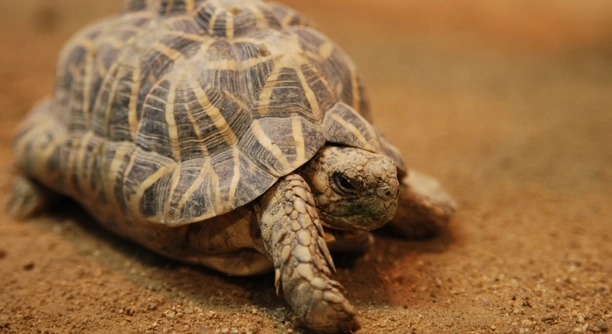
Indian Star Tortoises are known for their calm nature and distinct beauty. However, when they start to lose their appetite, it can be concerning. Understanding the causes behind this change is important for maintaining their health and well-being.
The loss of appetite in Indian Star Tortoises can be caused by factors such as temperature fluctuations, improper diet, stress, or illness. Environmental changes or a lack of proper UVB light exposure can also contribute to this behavior, affecting their feeding habits.
Several steps can be taken to help your tortoise regain its appetite. Knowing the root cause is key to addressing the issue effectively.
Common Causes of Appetite Loss in Indian Star Tortoises
When an Indian Star Tortoise loses its appetite, it’s important to consider several possible causes. Temperature fluctuations are a frequent issue. If their habitat is too hot or too cold, tortoises can feel stressed, which affects their eating habits. Additionally, improper diet can contribute to the loss of interest in food. A lack of nutritional variety can lead to sluggishness and refusal to eat. Tortoises are herbivores and need a balanced diet of fresh greens, grasses, and some fruits. Stress is another significant factor. Handling them too much or changing their environment can make them anxious. Tortoises are sensitive to changes and may stop eating as a result. Lastly, illness is always a possibility, as infections or parasites can also lead to decreased appetite. It’s essential to observe their behavior and look for other signs of distress or illness to determine the right course of action.
Stress and illness are often tied together in affecting a tortoise’s health. If your tortoise appears lethargic or refuses food for an extended period, it’s wise to consult a vet to rule out underlying health problems. A thorough examination can identify any potential issues.
In addition to these common causes, poor environmental conditions can also play a significant role in appetite loss. Indian Star Tortoises need a proper habitat with a balance of humidity, temperature, and UVB lighting. Without the right setup, they may not feel comfortable enough to eat. An inconsistent day-night cycle can disrupt their internal clocks, leading to confusion and stress. If you haven’t already, invest in a reliable thermostat and humidity monitor to create a stable environment. Also, UVB lighting is crucial for their digestion and overall health. Tortoises require UVB rays to metabolize calcium and other nutrients, which directly affects their appetite. Without it, they may feel weak or unwell.
How to Improve Your Tortoise’s Appetite
To help your tortoise regain its appetite, create a stable and stress-free environment. Start by ensuring that the temperature is consistent throughout the day and night. Aim for around 80°F during the day, with a warmer basking area of 90°F. At night, the temperature should drop slightly to around 70°F. Make sure that your tortoise’s enclosure is large enough for it to move freely and has enough hiding spots to reduce stress. Avoid loud noises and sudden changes to its surroundings. Additionally, ensure that your tortoise has access to fresh, nutrient-rich food every day.
The right diet and environment are key to stimulating your tortoise’s appetite. Always provide a mix of dark leafy greens like kale, dandelion greens, and collard greens. Occasionally, you can add fruits like strawberries or apples as a treat. Just be careful with high-water-content foods, as they may not provide the necessary nutrients. If your tortoise continues to refuse food, try offering a variety of fresh leaves to entice it, or consider misting their food lightly with water to make it more appealing.
The Role of UVB Lighting
UVB lighting is essential for an Indian Star Tortoise’s well-being. Without it, they cannot properly metabolize calcium, leading to weakness and poor appetite. It’s crucial to provide a UVB light that mimics natural sunlight.
Tortoises require UVB light to absorb calcium and other necessary vitamins. Without adequate UVB exposure, they may develop metabolic bone disease, which can cause lethargy and a loss of appetite. Ensure that the light is placed properly within the enclosure, and replace bulbs every six months. The light should cover the entire area where your tortoise spends time. This will encourage them to stay active, eat regularly, and feel healthier.
It’s also important to place the UVB light at the correct distance from your tortoise. Too far and it won’t be effective; too close and it may cause discomfort. You can use a thermometer to ensure the temperature remains optimal for your tortoise. If your tortoise is spending time away from the light, try adjusting its placement to ensure maximum exposure.
Stress Factors Affecting Appetite
Stress is a common cause of appetite loss in Indian Star Tortoises. Handling them too frequently or making sudden changes in their environment can trigger stress. Stress reduces their comfort levels and can lead to eating issues.
To minimize stress, create a stable environment with minimal disturbances. Avoid handling your tortoise too much, especially if it’s not used to it. Place your tortoise in a quiet area where it feels secure. Tortoises are creatures of habit, and major changes to their surroundings can leave them feeling vulnerable. It’s essential to monitor their behavior closely. If they seem stressed or anxious, adjust their environment to make them feel more comfortable. Ensuring a routine with their feeding and cleaning will help your tortoise adjust.
Keeping a tortoise in a quiet space with natural lighting and temperature fluctuations will help reduce stress. Try to avoid introducing other pets to their habitat or creating loud noises nearby. Providing a safe, peaceful place for them to retreat to can go a long way in easing their anxiety. This, in turn, will encourage your tortoise to feel safe enough to eat.
Temperature Regulation
Maintaining the right temperature is essential for your tortoise’s health. If the temperature in the enclosure is too high or low, your tortoise may lose its appetite. It’s important to provide a warm basking spot and a cooler area.
A basking spot of about 90°F is necessary for proper digestion. At night, temperatures should be cooler, around 70°F. If the temperature fluctuates too much, your tortoise will become stressed and may stop eating. Use a reliable thermostat to maintain a consistent temperature throughout the day and night. Additionally, ensure proper ventilation to avoid overheating.
Providing a Balanced Diet
A balanced diet is key to keeping your tortoise healthy. Make sure to offer a variety of fresh, leafy greens, grasses, and occasional fruits. Avoid offering too much fruit, as it can be too sugary.
Incorporate foods such as dandelion greens, collard greens, and grasses like timothy hay. These provide essential nutrients, including calcium, that your tortoise needs for overall health. Sometimes, adding a small amount of grated carrots or squash can encourage them to eat. Always remove uneaten food promptly to avoid contamination.
Dehydration and Its Effects
Dehydration can cause a tortoise to lose its appetite. Make sure your tortoise has constant access to fresh, clean water. It’s essential for digestion and general well-being.
If your tortoise seems dehydrated, try soaking it in shallow, warm water for 15-20 minutes. This will help with hydration and stimulate appetite. You can also mist the food lightly to increase moisture intake. A hydrated tortoise will be more likely to eat and remain active. Always monitor their water bowl and refresh it regularly.
FAQ
Why is my Indian Star Tortoise not eating?
There are several reasons your tortoise may not be eating. Common causes include stress, improper temperatures, illness, or a poor diet. Tortoises are sensitive to changes in their environment, so sudden shifts in temperature or handling can cause them to stop eating. Make sure their enclosure is the correct temperature, humidity, and has proper lighting. Also, check if they are eating a balanced diet of leafy greens and grasses. If the issue persists, it’s best to consult a vet for a more thorough examination.
How do I know if my tortoise is sick?
Sick tortoises will often display several signs, such as lethargy, loss of appetite, or abnormal behavior. You may notice discharge from the eyes, mouth, or nose, and they might seem less active than usual. Additionally, if your tortoise’s shell becomes soft, discolored, or swollen, this could indicate an illness like metabolic bone disease or a shell infection. Keep an eye on their behavior and consult a vet if you observe any concerning symptoms.
Can stress affect my tortoise’s appetite?
Yes, stress can have a significant impact on your tortoise’s appetite. Tortoises are creatures of habit and can be very sensitive to environmental changes. Excessive handling, noisy surroundings, or the presence of other pets can cause stress. If your tortoise isn’t eating, consider if any changes in its habitat have occurred recently. Creating a calm, stable environment will help your tortoise feel more comfortable and encourage it to eat.
What should I feed my Indian Star Tortoise?
A healthy diet for an Indian Star Tortoise includes a variety of leafy greens, grasses, and some fruits. You can offer dandelion greens, collard greens, and leafy lettuces. Avoid high-sugar fruits, but occasional offerings of strawberries, apples, or melon can be beneficial. Make sure the diet is high in fiber and calcium. It’s essential to avoid feeding them human food or processed food, as this can cause digestive issues and nutritional imbalances. Ensure your tortoise has fresh, clean food daily and remove any leftovers to prevent spoilage.
How often should I feed my Indian Star Tortoise?
Adult Indian Star Tortoises should be fed every other day. A consistent feeding schedule ensures they receive the proper nutrients without overfeeding. Juvenile tortoises need daily feedings to support their growth. Always adjust feeding frequency based on your tortoise’s age and health condition. Regularly assess their appetite and adjust the quantity of food to avoid under or overfeeding. If your tortoise isn’t eating, it’s important to monitor the situation for other signs of illness or stress.
Can I feed my tortoise fruits and vegetables?
Yes, you can offer fruits and vegetables, but they should be given in moderation. Most of your tortoise’s diet should consist of leafy greens and grasses. Fruits such as apples, strawberries, and melons are fine as occasional treats but should not make up the majority of their food. Too many sugary fruits can lead to health issues like obesity or digestive problems. It’s essential to vary their diet to ensure they get all the necessary nutrients.
Why is my tortoise’s shell soft or swollen?
A soft or swollen shell can indicate serious health issues, such as metabolic bone disease or an infection. Metabolic bone disease occurs when the tortoise does not receive enough calcium or UVB light, leading to weakness and a soft shell. Swelling can be caused by infections or abscesses. If you notice these symptoms, it’s important to take your tortoise to a veterinarian who can provide an accurate diagnosis and treatment. Regular access to UVB light and a proper calcium-rich diet can prevent such issues.
How can I encourage my tortoise to eat?
If your tortoise is refusing food, try offering a variety of fresh greens and lightly misting the food with water to make it more appealing. Sometimes, changing the texture or presentation of food can help. For example, cutting it into smaller pieces or adding a little bit of fruit to entice them can stimulate appetite. Ensure that the temperature and humidity in the enclosure are optimal, as environmental factors play a big role in their eating habits. If the refusal continues, seek professional advice.
How do I prevent my tortoise from becoming dehydrated?
Dehydration can lead to a loss of appetite and other health issues. To prevent dehydration, make sure your tortoise always has access to fresh, clean water. Some tortoises may not drink from a bowl, so soaking them in shallow, lukewarm water for 10-20 minutes a few times a week can help. If they are still not drinking, you can lightly mist their food to add moisture. Dehydration can be serious, so keep a close eye on your tortoise and seek help from a vet if symptoms worsen.
What is the ideal temperature for my tortoise’s enclosure?
The ideal temperature for your tortoise’s enclosure should have a basking area around 90°F and a cooler area around 70°F. A consistent temperature throughout the day and night is important. At night, the temperature should drop slightly but not fall below 70°F. Use a thermostat and temperature gauge to maintain proper heating. Fluctuations in temperature can stress your tortoise, leading to a loss of appetite or behavioral issues. Ensure your tortoise has the ability to move between the warmer and cooler areas in the enclosure for optimal comfort.
Why is my tortoise not eating in the winter?
In the winter, many tortoises, including the Indian Star Tortoise, may naturally reduce their activity and appetite. They might enter a semi-dormant state during cooler months, known as brumation. This behavior is normal, but if your tortoise is still active and refusing food, check for any temperature, diet, or health issues. Make sure the enclosure is kept at the correct temperature, and provide adequate UVB lighting. If the lack of appetite persists, consult a vet for advice.
Final Thoughts
It’s not uncommon for Indian Star Tortoises to lose their appetite from time to time, but it’s essential to pinpoint the cause. Often, simple factors like changes in their environment, stress, or diet can lead to a temporary loss of interest in food. However, if the issue persists or is accompanied by other signs of illness, seeking veterinary advice is always a good step. Ensuring your tortoise has a stable habitat, proper lighting, and a balanced diet can go a long way in preventing such issues.
Tortoises, like all reptiles, are creatures of habit and thrive in consistent conditions. Fluctuations in temperature, improper humidity, or an unbalanced diet can create stress, which may reduce their appetite. Regularly check the enclosure’s temperature and humidity levels to ensure they meet your tortoise’s needs. Providing a variety of fresh, appropriate foods can also help spark their interest in eating. Remember, a healthy tortoise is one that is properly cared for, and addressing any environmental or dietary issues early can prevent more significant problems down the line.
If your tortoise is still refusing food, or if you notice other signs of illness such as lethargy or abnormal behavior, don’t hesitate to consult a veterinarian. A professional can help diagnose the issue and guide you toward the right treatment. With proper care, most Indian Star Tortoises will return to their usual eating habits and continue to thrive. By being observant and addressing any changes early on, you can help ensure your tortoise stays healthy and happy for years to come.

Hello,
If you enjoy the content that we create, please consider saying a "Thank You!" by leaving a tip.
Every little bit helps us continue crafting quality advice that supports the health, happiness, and well-being of pets around the world, for pets of all shapes, sizes, and species.
We really appreciate the kindness and support that you show us!