
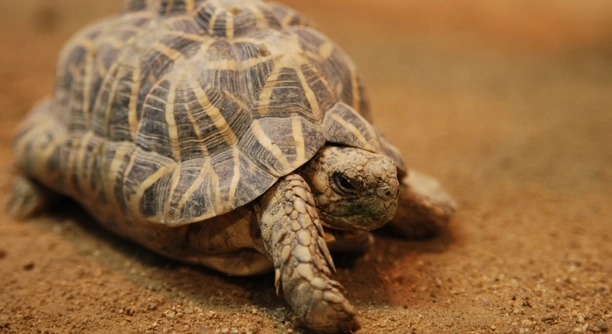
Overfeeding Indian star tortoises can lead to a range of health issues. While these tortoises may seem to enjoy extra food, too much can affect their growth, mobility, and overall well-being. Proper feeding is key.
Overfeeding Indian star tortoises can result in obesity, organ strain, and shortened lifespans. Excess food disrupts their natural metabolism, leading to health complications. It also affects their activity levels, making them prone to lethargy and other severe conditions.
Managing their diet is essential for keeping your tortoise healthy and active. We will cover key reasons why overfeeding should be avoided to ensure a balanced diet and a long, healthy life.
1. Overfeeding Can Lead to Obesity
Indian star tortoises are prone to obesity if fed too much. Overfeeding can quickly cause them to gain weight, leading to difficulty moving around and affecting their overall health. Obesity in tortoises puts strain on their internal organs, which could lead to more serious health problems in the long term.
When a tortoise is overfed, it becomes sluggish. Its metabolism slows down, and it no longer has the same energy to explore or enjoy its environment. This lack of movement can result in joint issues and an overall decline in its vitality. To avoid this, it’s important to stick to a consistent feeding schedule and provide the right amount of food for their size.
If you notice that your tortoise is becoming too large, consider reducing portion sizes and giving it more opportunities to be active. This could include offering it more space to roam or engaging it in activities that encourage natural behaviors. Proper care will prevent obesity and the associated risks.
2. Impact on Lifespan
Overfeeding not only affects mobility but also significantly impacts a tortoise’s lifespan. Feeding your tortoise in excess can cause long-term health complications, leading to premature death.
A well-balanced diet and controlled feeding are crucial for keeping your tortoise healthy. By monitoring their food intake and providing a variety of nutrients, you can help ensure they live a long and healthy life.
3. Digestive Issues from Overfeeding
Excess food can cause digestive problems in Indian star tortoises. Overfeeding leads to bloating, constipation, and discomfort, which can interfere with their ability to properly absorb nutrients.
When a tortoise eats more than it needs, its digestive system struggles to process the excess. This may result in painful bloating or constipation. A sluggish digestive system means that food isn’t broken down efficiently, leading to a lack of necessary nutrients. Over time, these digestive disturbances can lead to more serious issues, such as infections or organ failure.
To prevent these digestive problems, it’s best to stick to appropriate portion sizes. Make sure to offer them food that is easily digestible, like leafy greens, and avoid too many high-fat or high-protein foods that can upset their balance.
4. Behavioral Changes
Overfeeding can change a tortoise’s behavior. With excess food, they may become overly passive, eating more than they should and resting more than usual.
When a tortoise is overfed, it may not feel the need to roam or explore. The excess calories make them more lethargic and less interested in the environment around them. This lack of activity can affect their natural instincts, making them less responsive to stimuli. Additionally, their appetite can become unbalanced, causing them to constantly search for more food. This behavior shift can negatively impact their physical and mental well-being.
5. Risk of Organ Damage
Overfeeding can cause significant strain on a tortoise’s organs, particularly the kidneys and liver. These organs work harder to process excess food, leading to potential long-term damage.
When a tortoise eats more than its body can handle, its organs are forced to work overtime. This can result in organ stress, causing issues like kidney failure or liver damage. As these organs deteriorate, the tortoise’s overall health declines, and it may eventually face severe medical complications that are difficult to reverse.
6. Shell Deformities
Overfeeding may contribute to shell deformities in Indian star tortoises. The lack of proper nutrition can cause irregular growth patterns, leading to an uneven or malformed shell.
The tortoise’s shell is a reflection of its overall health. If overfeeding affects its diet, the shell may not develop correctly. Nutrient imbalances caused by improper feeding can weaken the shell, leading to soft spots or deformities. A healthy, balanced diet with appropriate portions will support proper shell growth, ensuring the tortoise’s protection and strength.
FAQ
What should I feed my Indian star tortoise?
Indian star tortoises thrive on a varied diet, primarily consisting of leafy greens, flowers, and some fruits. Foods like dandelion greens, clover, and hibiscus are great choices. You can also offer them small amounts of vegetables such as squash or carrots. Avoid high-fat or high-protein foods, like dairy or meat, which can cause health issues. Offering a mix of fiber-rich food will help maintain their digestive health and overall well-being. It’s crucial to feed them fresh, pesticide-free plants to ensure they get all the necessary nutrients.
How much should I feed my Indian star tortoise?
Portion control is key when feeding your tortoise. They should be offered food once a day, with portions that are roughly equal to the size of their shell. It’s best to start with smaller portions and gradually adjust depending on their size and activity level. A good rule of thumb is to avoid overfeeding, offering enough for them to consume in about 15-20 minutes. If they’re leaving food behind, reduce the portion size. Overfeeding can cause obesity and other health problems.
How can I tell if my Indian star tortoise is overfed?
Signs that your tortoise may be overfed include excessive weight gain, lack of mobility, or a noticeable increase in lethargy. If your tortoise is consistently refusing to move, spending more time resting, or struggling to walk, these could be signs of obesity. Additionally, if you notice that your tortoise’s diet seems to consist mostly of one type of food, it may not be getting the nutrients it needs. Keep an eye on their shell shape, too—imbalanced diets can lead to deformities.
Can overfeeding cause digestive issues in tortoises?
Yes, overfeeding can lead to digestive issues like constipation or bloating. When a tortoise consumes too much food, its digestive system may not be able to process everything properly. This can result in slow digestion, leading to discomfort or difficulty passing waste. You may notice that your tortoise isn’t eating or drinking as much, or that it struggles to eliminate waste. It’s essential to stick to the proper portion sizes and provide foods that are easy to digest to keep the digestive system functioning well.
What is the best diet for juvenile Indian star tortoises?
Juvenile tortoises need a slightly different diet than adults to support their growth. They should be fed a mixture of leafy greens, dandelion, and a small amount of fruits like melon or berries. It’s essential to avoid overfeeding them, as their growing bodies require specific amounts of food to develop properly. Offering food 2-3 times a week, with small portions, is ideal for juveniles. As they grow, you can adjust their diet and feeding schedule accordingly.
Is it safe to give my Indian star tortoise fruits?
Fruits can be given in moderation but should not make up a large part of their diet. Fruits are high in sugar and can lead to obesity and other health issues if fed in excess. It’s best to offer fruits like melon, berries, or papaya occasionally, making sure they don’t account for more than 10% of your tortoise’s overall food intake. Always remove any uneaten fruit to prevent it from rotting and causing digestive issues.
Can I feed my Indian star tortoise commercial food?
Commercial tortoise food can be used as a supplement but should not replace fresh, natural foods. Many commercial diets are formulated to provide balanced nutrition, but they can sometimes be too high in protein or not contain enough fiber. Always read the ingredients carefully and use them as part of a diverse diet that includes fresh greens, flowers, and vegetables. Some high-quality brands offer food that can complement your tortoise’s diet but should not be the main source of nutrition.
Should I provide calcium supplements for my Indian star tortoise?
Yes, calcium supplements are essential, especially for adult female tortoises, as they may suffer from calcium deficiency if not properly supplemented. Calcium helps in maintaining strong bones and shell health. You can sprinkle a small amount of calcium powder on their food, or offer calcium-rich foods like dandelion greens. Make sure they also have access to a cuttlefish bone, which is a natural calcium source. It’s important not to overdo it, as too much calcium can lead to other health problems.
How can I encourage my Indian star tortoise to be more active?
Encouraging activity involves providing a stimulating environment. Make sure your tortoise has enough space to roam and explore. Create an environment with natural features like rocks or hiding spots. Offering a varied diet, with foods that require some effort to access, can also encourage activity. It’s crucial to monitor their health, as lethargy can sometimes be linked to health issues, including overfeeding or insufficient nutrients. Keep their habitat clean and temperature-regulated to ensure they feel comfortable and active.
Can overfeeding affect the lifespan of my Indian star tortoise?
Yes, overfeeding can significantly reduce the lifespan of your tortoise. Excess weight puts stress on their organs, joints, and overall health. The longer these issues go unaddressed, the more likely they are to lead to severe health complications, shortening the tortoise’s life. A balanced diet and controlled portions are essential to helping your tortoise live a long, healthy life. Ensuring they have the right food in the right amounts is key to their well-being.
Final Thoughts
Overfeeding your Indian star tortoise can lead to several health problems that may affect its quality of life. These tortoises require a balanced diet, rich in leafy greens and appropriate vegetables. When fed in excess, they can develop issues like obesity, organ stress, and shell deformities. A proper feeding routine ensures that your tortoise stays active and healthy. It’s crucial to avoid foods that can cause long-term damage by sticking to natural, nutritious options and monitoring portion sizes.
Feeding your tortoise the right amount of food not only supports its physical health but also promotes natural behaviors. Indian star tortoises are meant to graze and explore, which is encouraged when they aren’t overfed. Offering a mix of fibrous plants, flowers, and occasional fruits in moderation will help them thrive. Overfeeding leads to a sedentary lifestyle and weakens their digestive system. Remember, tortoises that are not properly cared for can face irreversible damage to their internal organs and shells, so it’s best to stay mindful of their dietary needs.
Taking the time to carefully manage your tortoise’s diet may require extra effort, but it’s worth it in the long run. Regularly assess its weight, activity level, and health to make sure you’re meeting its needs. By ensuring they’re properly fed, you’ll help your tortoise live a longer, healthier life. Keeping your Indian star tortoise in the best possible condition should always be the goal.

Hello,
If you enjoy the content that we create, please consider saying a "Thank You!" by leaving a tip.
Every little bit helps us continue crafting quality advice that supports the health, happiness, and well-being of pets around the world, for pets of all shapes, sizes, and species.
We really appreciate the kindness and support that you show us!