
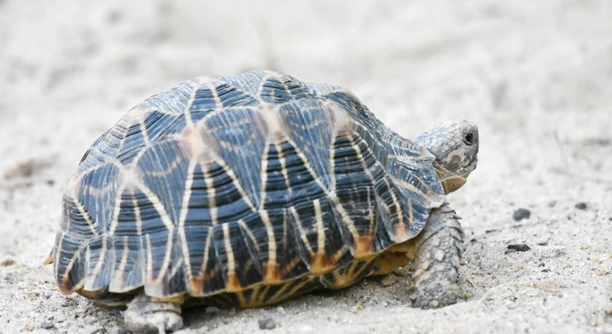
Indian Star Tortoises are unique and fascinating pets that require proper care to thrive. One behavior that often raises concern among owners is when these tortoises scratch their shells frequently.
The scratching behavior in Indian Star Tortoises is typically a sign of discomfort, irritation, or an attempt to shed their scutes. It could also indicate an issue like dryness, improper habitat conditions, or even skin infections that need attention.
Identifying the root cause of this behavior can help prevent further health issues for your tortoise. Knowing how to create a comfortable environment and when to seek advice can make all the difference in ensuring their well-being.
Common Causes of Scratching Behavior
Indian Star Tortoises scratch their shells for several reasons. Sometimes it’s due to shedding, which is a natural part of their growth process. When a tortoise sheds its scutes, it may scratch to help loosen the old layers. This is a common behavior and usually isn’t a cause for concern. However, it could also be a sign of discomfort, such as from dry skin, or an improper living environment. If their habitat is too dry or lacks the proper humidity, they may scratch more frequently to relieve irritation. Another possibility is an infection or injury, which can cause your tortoise to try to scratch at the affected area in an attempt to soothe it.
If the behavior persists for a longer period, it’s important to assess their environment and diet. Improper lighting, humidity, or temperature levels can all contribute to this issue. If these factors are not addressed, scratching could become excessive and lead to further problems.
By monitoring these aspects and providing the proper care, you can help ensure your tortoise remains comfortable.
How to Maintain a Healthy Environment
Humidity is crucial for the well-being of your tortoise. Without adequate moisture, their skin can dry out, leading to itching and scratching. Keep the humidity level between 50% and 70% to prevent skin issues. Additionally, make sure your tortoise has access to a warm area for basking and a cooler, shaded area to regulate its body temperature. Lighting is also important. UVB lighting helps with calcium absorption and overall health. Inadequate lighting can lead to weakness and stress, which may trigger scratching behavior.
The right substrate in the enclosure can also make a difference. Sand or soil mixtures that retain moisture are good choices, but avoid overly rough materials. They can damage the shell and cause unnecessary irritation. Be mindful of the surfaces your tortoise comes in contact with. Regularly clean and maintain the enclosure to keep it free from harmful bacteria that could lead to infections.
Dry Skin and Dehydration
Dry skin is one of the most common causes of scratching in tortoises. If your tortoise isn’t getting enough moisture, the skin can become flaky, tight, and irritated. This can lead them to scratch in an effort to relieve the discomfort. Make sure your tortoise always has access to fresh water and that it is drinking enough. A shallow water dish with clean water should be placed in their enclosure. Spraying the enclosure with water can also help maintain humidity levels, making the air more comfortable for them.
You can also add a shallow soak to their routine. This can help hydrate their skin and promote better overall health. Soaking your tortoise in warm water for about 20 minutes a few times a week encourages hydration and prevents skin from becoming too dry. Be sure not to use water that’s too hot, as this can stress them out. Just lukewarm water will do. Make sure to dry them gently with a towel afterward to avoid making their shell too damp.
Inadequate hydration can also affect your tortoise’s digestive system and overall vitality. Providing fresh water regularly and keeping the environment moist will keep them healthy and prevent further scratching from dehydration.
Improper Diet
A poor diet can directly impact your tortoise’s health and lead to scratching behavior. Lack of essential nutrients like calcium, vitamins, and fiber can cause a tortoise’s shell to become weak, and they may scratch it as a result. Feeding your tortoise a variety of leafy greens, grasses, and occasional fruits will ensure they get the right nutrients.
Calcium is especially important for their shell and bone health. Without enough calcium, the shell may become soft or weak, leading to scratching or other behaviors as they try to fix it. You can offer calcium supplements to help meet their needs. Always be mindful of overfeeding fruits as they are high in sugar. A well-balanced diet is key for overall health and helps prevent issues like scratching.
Additionally, certain foods like high-oxalate vegetables can prevent calcium absorption. It’s important to learn which foods are beneficial and which should be avoided. A balanced diet with adequate calcium ensures your tortoise’s shell remains strong and healthy, reducing the chances of scratching due to nutritional imbalances.
Shell Issues or Injury
A tortoise might scratch its shell if there’s an injury or damage. Cracks or abrasions can make them feel uncomfortable, prompting them to scratch at the affected area. It’s important to regularly inspect your tortoise for any visible damage. If you spot anything unusual, it’s best to take them to the vet.
Shell damage can happen from rough surfaces or improper handling. Even small injuries, if left untreated, can lead to infections. If the scratching is excessive, it might be a sign that your tortoise is trying to heal or remove debris. Keep an eye on their shell and ensure they aren’t injuring themselves further.
Improper Habitat Conditions
Your tortoise’s habitat plays a large role in preventing scratching. If the temperature, humidity, or lighting is off, they may feel uncomfortable and scratch more often. You should check that the basking area stays warm while ensuring a cooler spot for them to retreat to.
Maintaining proper temperature gradients ensures that your tortoise can regulate its body heat, reducing stress and scratching. Additionally, humidity should be kept in check, as very dry conditions can lead to dry skin and irritation. A UVB light helps them synthesize vitamin D3, which is crucial for healthy shell growth.
Stress and Anxiety
Tortoises can also scratch due to stress or anxiety. Changes in their environment, loud noises, or the presence of other pets can make them feel unsafe. Stress can cause unusual behaviors, including scratching. Make sure their living space is quiet, calm, and free from distractions.
Monitor your tortoise’s behavior closely. If they seem agitated or restless, consider adjusting their environment to create a more peaceful setting. Reducing stress not only helps prevent excessive scratching but also supports their overall health and happiness. Keeping things consistent and peaceful will ensure your tortoise feels secure in their home.
FAQ
Why does my tortoise scratch its shell excessively?
Excessive scratching can indicate a variety of issues. It’s often a sign that your tortoise is trying to shed its scutes or dealing with an uncomfortable environment. Dry skin, improper humidity, or inadequate hydration are common culprits. If the scratching is excessive and persistent, check for potential injuries, shell damage, or signs of infection. Ensure your tortoise’s enclosure is properly maintained, with appropriate humidity, temperature, and lighting. A balanced diet also plays a major role in skin and shell health, so it’s important to make sure they are getting the right nutrients.
How can I help my tortoise if it’s scratching due to dry skin?
If dry skin is the issue, it’s important to increase humidity levels in their habitat. Spraying the enclosure with water and providing a shallow water dish can help. You might also want to add a soaking routine to your tortoise’s care. Soak them in lukewarm water for about 20 minutes a few times a week to help hydrate their skin. Additionally, ensure that the enclosure isn’t too dry and that your tortoise has access to fresh water at all times.
Can an improper diet cause my tortoise to scratch its shell?
Yes, a poor diet can lead to nutritional deficiencies, which can cause scratching. Calcium and vitamin D3 are vital for shell health, and a lack of them can make your tortoise’s shell weak, soft, or brittle, leading to scratching. Be sure to feed a variety of leafy greens and grasses while avoiding excessive fruit. Calcium supplements might be needed if your tortoise isn’t getting enough from its diet. Overfeeding high-oxalate vegetables, like spinach, can also affect calcium absorption. Maintaining a well-balanced diet is key to ensuring your tortoise’s shell remains strong and healthy.
How can I tell if my tortoise has an injury or infection on its shell?
Look closely at your tortoise’s shell for any cracks, abrasions, or discoloration. Any damage should be taken seriously, as it could lead to infection. An infected shell might show signs like swelling, softness, or a foul odor. If your tortoise is scratching a specific area or seems to be in pain, it may be trying to relieve the discomfort caused by the injury or infection. In these cases, a visit to the vet is important for proper treatment.
Is it possible for my tortoise to scratch from stress or anxiety?
Yes, stress can cause scratching behavior in tortoises. Changes in their environment, loud noises, or even the presence of other pets can make them feel uneasy. Stress can lead to restlessness, anxiety, and sometimes behaviors like scratching. To reduce stress, ensure your tortoise has a peaceful environment with plenty of hiding spots and a consistent routine. Avoid sudden changes in their habitat or diet, and keep the space calm and quiet to help them feel secure.
What should I do if my tortoise’s scratching doesn’t stop?
If the scratching persists despite addressing common causes like dry skin or an improper habitat, it’s time to seek professional help. A veterinarian experienced with reptiles can examine your tortoise to rule out underlying medical issues, such as infections or parasites. Additionally, they can provide guidance on the best ways to treat shell damage or other health concerns. A vet can also help adjust your tortoise’s diet or suggest supplements if necessary.
Could my tortoise be scratching because of a parasite?
Parasites are another possible reason for scratching. External parasites, like mites, can irritate a tortoise’s skin and shell, causing them to scratch. Look for signs like redness, swelling, or visible tiny pests on the shell or skin. Internal parasites can also cause discomfort, though the symptoms might not always be obvious. A vet can help diagnose and treat any parasitic infections, ensuring your tortoise’s health is restored.
How can I prevent my tortoise from scratching its shell in the future?
Prevention starts with maintaining the right conditions in your tortoise’s environment. Ensure that the humidity, temperature, and lighting are all optimal for their species. Regularly check the habitat for any changes or discomforts, and always provide clean water and fresh food. Offering a balanced diet that includes plenty of leafy greens and the right amount of calcium is essential for preventing shell problems. Routine health checks will help spot any potential issues early, keeping your tortoise comfortable and scratch-free.
Final Thoughts
It’s important to pay attention to the signs your tortoise is showing, especially when it comes to behaviors like scratching its shell. While it may seem like a simple action, it can be a sign of a bigger issue, whether it’s related to their environment, diet, or health. By observing your tortoise’s behavior closely, you can catch potential problems early and prevent them from becoming serious. Whether it’s adjusting the humidity levels in their enclosure or ensuring they have a balanced diet, small changes can make a big difference in their comfort and well-being.
Understanding the causes of scratching behavior is key to addressing it effectively. If the scratching is due to dry skin, dehydration, or improper habitat conditions, these issues can usually be fixed by making some adjustments to your tortoise’s environment and care routine. On the other hand, if the behavior is linked to more serious concerns like an injury, infection, or stress, seeking professional help is crucial. A visit to the vet can provide clarity on any underlying issues that may not be obvious right away. Keeping your tortoise’s habitat clean, well-maintained, and stress-free will also help avoid unnecessary scratching and discomfort.
Ultimately, the goal is to create a safe, comfortable space for your tortoise to thrive. Regularly check on their health, provide proper care, and be proactive in adjusting their environment when needed. While scratching might seem like a small problem at first, addressing it early on can prevent more serious issues down the road. A little attention to detail goes a long way in ensuring your tortoise stays happy and healthy.

Hello,
If you enjoy the content that we create, please consider saying a "Thank You!" by leaving a tip.
Every little bit helps us continue crafting quality advice that supports the health, happiness, and well-being of pets around the world, for pets of all shapes, sizes, and species.
We really appreciate the kindness and support that you show us!