
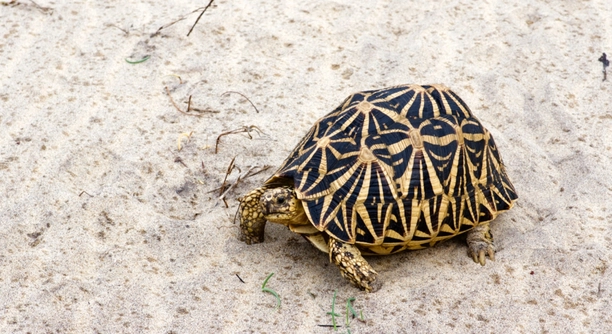
Creating a proper heat gradient for your Indian Star Tortoise is essential for their health and well-being. It ensures they can regulate their body temperature and carry out essential biological processes. This guide will help you set it up.
The heat gradient is created by providing a warmer basking area and a cooler spot in the enclosure. The tortoise can move between these areas to maintain optimal body temperature, which is crucial for digestion and overall health.
Knowing how to properly create this gradient will help you support your tortoise’s natural behaviors. Keep reading for more tips to ensure their environment is just right.
Understanding the Importance of a Heat Gradient for Indian Star Tortoises
The health of your Indian Star Tortoise relies heavily on creating an environment that mimics their natural habitat. They are cold-blooded animals, meaning their body temperature depends on their surroundings. Without a proper heat gradient, your tortoise could struggle with digestion, activity levels, and overall well-being. The gradient lets them choose between a warmer basking spot and a cooler area, which is essential for thermoregulation. In the wild, tortoises move between areas of sunlight and shade, so it’s crucial to replicate this in their enclosure. Setting up a heat gradient also helps prevent illnesses related to temperature extremes. It’s not just about keeping your tortoise warm; it’s about providing them with the ability to control their body temperature according to their needs.
A heat gradient keeps your tortoise comfortable by offering temperature choices. Without it, they may become stressed or unwell.
Once you set up the gradient, ensure your tortoise has easy access to both the warmer and cooler sides. It allows them to move around freely and make necessary adjustments. This behavior is natural and beneficial, as it supports their physical functions. Be mindful of the placement of heat sources and always monitor the temperature levels in both zones. Temperature consistency is key to making sure the gradient is effective. Avoid drastic fluctuations in temperature, as this could confuse or distress your tortoise. Make sure the warmer spot is not too hot, as it can lead to overheating, which is just as harmful as being too cold.
Setting the Right Temperatures for Your Tortoise
A proper heat gradient requires knowing the right temperatures for both warm and cool areas. For Indian Star Tortoises, the warm basking area should be between 90-95°F, while the cooler area should be around 75°F.
The basking spot is where your tortoise will absorb the heat they need for digestion. This area should have a temperature between 90 and 95°F, so your tortoise can soak up enough warmth to stay active and healthy. The cooler area is just as important. It allows your tortoise to retreat and cool down if they get too warm. Make sure to use reliable thermometers to monitor the temperature in both areas. It’s essential to regularly check the setup because temperature levels can fluctuate based on room conditions. If temperatures go too high or too low, your tortoise may face health issues. Therefore, a heat lamp or ceramic heater can be used to maintain the warm area, while air circulation keeps the cool zone comfortable.
Choosing the Right Heating Equipment
The best equipment for creating a heat gradient includes basking lamps, heat mats, and ceramic heat emitters. You should choose a heat source based on your enclosure’s size and setup.
A heat lamp is ideal for creating the warm basking spot, but be mindful of the wattage. Too strong of a lamp can overheat the area. You can also use a heat mat beneath one side of the enclosure to maintain the cooler side’s temperature. It’s important to make sure the heat source is not placed directly under the tortoise’s hide. This way, they can control how much heat they absorb. For more consistent warmth, ceramic heat emitters can be a great choice as they provide heat without emitting light. Using a combination of these tools can give your tortoise a reliable and adjustable temperature range.
Make sure to use a thermostat with your heating equipment. It will allow you to keep the temperature stable and avoid overheating. It’s also important to choose high-quality equipment to ensure safety and durability. Regularly check all equipment for signs of wear or malfunction. If your heating equipment fails, it could put your tortoise’s health at risk, so replace faulty equipment immediately.
Monitoring the Temperature Regularly
To ensure a proper heat gradient, regularly monitor the temperatures in both the basking and cooler areas. Using digital thermometers can provide more accurate readings.
Thermometers should be placed in both the warm and cool zones to ensure consistency. For added accuracy, you can use a temperature gun to check spot temperatures. Keep the warm zone temperature between 90-95°F and the cooler zone around 75°F. Checking these temperatures daily ensures that any sudden fluctuations are quickly addressed. It’s also helpful to record temperatures over time so you can spot any trends or issues. Over time, you will develop a sense of when adjustments are necessary, but regular monitoring is a must to keep your tortoise healthy and comfortable.
Placement of the Heat Sources
Positioning the heat sources properly in the enclosure is crucial for an effective heat gradient. Avoid placing them too close to your tortoise’s hiding spots.
The heat source should be placed at one end of the enclosure to create a warm basking area. This allows the tortoise to move freely from warm to cool areas. Be careful not to position heat lamps directly over their hiding areas, as it can cause unwanted heat stress. Keep the light fixtures safe and secure to prevent accidental burns.
Using Reflectors to Enhance Heat Distribution
Reflectors can help focus and spread heat more evenly across the basking area. They are especially useful when using heat lamps.
A reflector can be placed around the heat lamp to direct heat toward a specific area. It helps maximize the heat output, making it more efficient. This way, the basking spot will stay warmer for longer periods. Reflectors are usually adjustable, so you can fine-tune where the heat is concentrated. It’s essential to avoid overheating by adjusting the reflectors properly. When done correctly, reflectors can maintain consistent warmth without excessive energy use.
FAQ
What is the ideal temperature range for an Indian Star Tortoise?
For an Indian Star Tortoise, the basking area should be between 90-95°F (32-35°C), while the cooler side should be around 75°F (24°C). This temperature gradient helps them regulate their body heat properly. Too much heat can cause stress, while too little can lead to slow digestion and other health issues. Ensuring a consistent temperature will help maintain their overall well-being and prevent problems related to improper thermoregulation. Use a thermometer to check the temperatures regularly, and adjust the heat sources accordingly.
How do I know if the heat gradient is working properly?
The best way to know if your heat gradient is working is by observing your tortoise’s behavior. If they’re moving freely between the warm and cool areas, adjusting themselves based on the temperature, this is a good sign that the gradient is effective. If your tortoise spends too much time in one spot, especially if it’s too hot, it could indicate that they’re uncomfortable or the temperature is off. Regular temperature checks in both areas will also confirm that the gradient is within the correct range. Be sure to provide adequate space for your tortoise to move around comfortably between different temperature zones.
Can I use a regular light bulb for heating?
It’s not recommended to use a regular light bulb as a heat source for your tortoise’s enclosure. Regular bulbs may not provide the right type of heat, and their light output could be too harsh for your tortoise. A proper basking lamp designed for reptiles will give more control over the temperature and offer the correct kind of heat. Special heat bulbs or ceramic heaters are ideal as they emit warmth without providing unnecessary light. Using a regular light bulb can cause heat imbalances, so it’s best to use reptile-specific heating equipment.
Can I use a heat mat instead of a heat lamp?
Yes, a heat mat can be used, but it should not replace the basking light entirely. Heat mats are typically used for creating a warm surface under the enclosure, which is helpful for creating a cool area while maintaining warmth under the tortoise’s hide. However, a heat mat alone won’t provide the necessary basking light that your tortoise needs for proper heat absorption. Combining both a heat lamp for basking and a heat mat for the ground will create a more effective gradient. The mat should be placed under the cool side to avoid overheating your tortoise.
How do I maintain the right humidity for my Indian Star Tortoise?
Humidity levels are important, but not as critical as temperature for Indian Star Tortoises. Keep humidity between 50-70%, which helps with their skin health and respiratory system. You can achieve this by spraying water lightly around the enclosure or placing a shallow dish of water in the cooler area. However, be careful not to make the environment too damp, as it could lead to fungal or respiratory issues. Monitoring humidity with a hygrometer will help ensure it stays within the right range. It’s also important to ensure the enclosure is well-ventilated.
Can I use a thermostat with my heat equipment?
Yes, using a thermostat with your heating equipment is a good idea to maintain stable temperatures in your tortoise’s enclosure. The thermostat will automatically regulate the heat source to avoid overheating and underheating. This allows you to create a more controlled environment. Be sure to choose a thermostat that is compatible with your heat lamp, heat mat, or ceramic heater. This helps provide a consistent temperature without the need for constant manual adjustments. It’s especially useful if you’re using multiple heat sources to ensure the temperature remains steady.
How often should I check the temperature in my tortoise’s enclosure?
It’s important to check the temperature in your tortoise’s enclosure at least once a day. Make it part of your routine to ensure that both the warm and cool zones are within the correct temperature range. Use reliable digital thermometers for accurate readings, and adjust the heat sources as needed. If you notice any temperature fluctuations, such as the basking area getting too hot or too cold, adjust the equipment accordingly. You can also track temperatures over time to ensure consistency, which is key to maintaining a healthy environment for your tortoise.
What should I do if my tortoise seems stressed or lethargic?
If your tortoise is acting stressed or lethargic, it could be a sign that the temperature gradient is off. Check both the basking and cooler areas to ensure they’re within the proper ranges. If the temperatures are too high or low, adjust the heat sources accordingly. Stress or lethargy can also indicate other health issues, so if temperature adjustments don’t improve the behavior, it’s best to consult with a vet. Make sure your tortoise has access to both warm and cool areas to regulate their temperature. Additionally, ensure they’re getting the right diet and hydration.
Can I use a UVB light along with the heat sources?
Yes, a UVB light is essential for your tortoise’s overall health. UVB light helps them produce vitamin D3, which is necessary for calcium absorption and bone health. While heat lamps provide warmth, UVB lights offer the necessary light spectrum for their health. It’s important to have both a UVB light and a heat lamp in your setup. Position the UVB light in a way that your tortoise can bask under it while also benefiting from the heat. Make sure to replace the UVB bulbs as per the manufacturer’s instructions since their effectiveness decreases over time.
Creating a proper heat gradient is one of the most important steps in ensuring the health and well-being of your Indian Star Tortoise. It’s crucial to provide a balance of temperatures that will allow them to regulate their body heat. The warm basking spot should be around 90-95°F, while the cooler area should stay around 75°F. By giving your tortoise access to both of these areas, you enable them to move freely between the temperatures as needed, helping with digestion and overall activity levels. A proper heat gradient also reduces the risk of health issues related to poor thermoregulation.
To achieve this gradient, using the right heating equipment is essential. A combination of heat lamps and heat mats can create the perfect balance of warmth. The heat lamps provide the necessary basking light, while heat mats can keep the cooler area consistent in temperature. Using a thermostat with these devices is highly recommended. It ensures that the temperatures stay within the ideal range without sudden fluctuations that could cause stress or discomfort for your tortoise. Regularly checking the temperature with reliable thermometers is key to making sure the setup remains effective and comfortable.
Lastly, remember that your tortoise’s environment is an ongoing project. The setup may need adjustments as the weather changes or if you notice any unusual behavior from your tortoise. If your tortoise seems stressed, lethargic, or is staying in one spot too long, it could indicate that the temperature gradient needs adjusting. Keeping track of the temperature, using the right equipment, and staying observant are all important steps in creating a healthy and safe environment. A little attention and maintenance can go a long way in ensuring that your Indian Star Tortoise stays happy and healthy.

Hello,
If you enjoy the content that we create, please consider saying a "Thank You!" by leaving a tip.
Every little bit helps us continue crafting quality advice that supports the health, happiness, and well-being of pets around the world, for pets of all shapes, sizes, and species.
We really appreciate the kindness and support that you show us!