
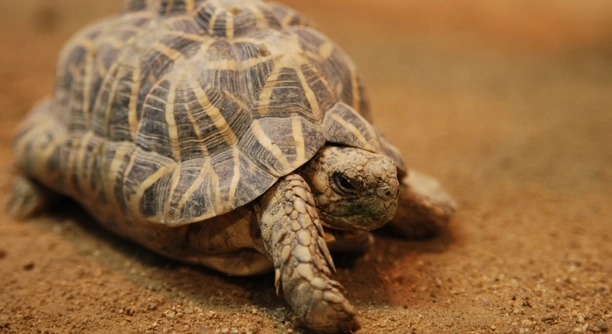
Your Indian Star Tortoise’s pacing behavior may leave you wondering about its significance. It’s common for pet owners to notice their tortoise walking around its tank more frequently than expected.
The primary cause of pacing in Indian Star Tortoises often stems from factors like stress, insufficient space, or environmental conditions. These tortoises are territorial and can exhibit pacing when they feel confined or uncomfortable in their habitat.
By examining the tank’s setup and your tortoise’s daily routine, you can improve its well-being. Let’s explore the key elements that could be contributing to your tortoise’s pacing behavior.
Why Is My Indian Star Tortoise Pacing?
Indian Star Tortoises are known for their distinctive markings and calm demeanor, but pacing can be a common behavior. When you see your tortoise walking back and forth repeatedly, it often indicates something is not quite right. This could be linked to various factors, from stress to poor habitat conditions. The pacing is a form of expression, signaling that your tortoise is either trying to adjust to its environment or is experiencing discomfort. By closely observing the tank setup, temperature, and daily routines, you can start identifying what might be affecting its behavior.
If you notice this pacing, it’s essential to consider the space and conditions. A tank that is too small or lacking proper temperature gradients might cause your tortoise to feel trapped or uncomfortable, leading to repetitive behavior.
Tortoises like to roam and explore their environment, and without enough space to move around, they can become agitated. If the tank feels cramped or the layout is too simple, your tortoise may begin pacing as a way to seek out new territories or hideaways. Additionally, they require different temperature zones to regulate their body heat. If they can’t get the warmth they need, they may pace as a sign of distress.
Stress from Overhandling or Noise
Tortoises are naturally cautious animals, and excessive handling or loud sounds can make them uneasy. If you’re frequently moving your tortoise or if the environment around the tank is noisy, it could lead to increased stress. This constant unease might result in pacing as the tortoise tries to escape from the source of discomfort.
Stress can impact your tortoise’s health and overall well-being. If your tortoise is constantly under stress, it can become more vulnerable to illness or even stop eating. Creating a more peaceful, quiet environment for your tortoise, away from loud noises or disruptions, can help reduce these stress-related behaviors. Additionally, limiting handling and providing a safe, secure space where your tortoise feels at ease is crucial to reducing pacing and promoting a healthier, happier pet.
Lack of Proper Hiding Spaces
If your tortoise doesn’t have enough places to hide, it might begin pacing. Tortoises naturally seek out areas where they feel safe, and without these, they can become stressed or anxious. Adding a hiding space like a small cave or rock can help reduce this behavior.
In their natural habitat, tortoises often hide under rocks or in burrows to protect themselves. When kept in captivity, they still need similar spaces to retreat to. Without this, they may feel exposed or vulnerable, leading them to pace around their tank in search of safety. You can easily remedy this by adding hides, plants, or other structures that provide a sense of security.
Providing hiding spots also mimics the tortoise’s natural behavior, encouraging them to feel more comfortable. You can use small boxes, logs, or other elements to create shaded, enclosed areas. Not only does this give them a place to retreat, but it also helps create a more natural and enriching environment for your tortoise to thrive in.
Inadequate Temperature or Humidity Levels
Temperature plays a vital role in your tortoise’s overall health. If the temperature in their tank is too high or low, they might pace around trying to regulate their body heat. It’s crucial to have a temperature gradient in their habitat, allowing them to move to areas that suit their needs.
Indian Star Tortoises are cold-blooded creatures, meaning they rely on external temperatures to regulate their body heat. Without a proper heat source or gradient, they may become stressed and exhibit pacing as a way of seeking the ideal spot to warm up or cool down. Use a thermometer to ensure that your tortoise’s environment has warm and cooler zones to choose from.
Humidity levels are just as important as temperature. Too much humidity can cause respiratory issues, while too little can lead to dehydration. This imbalance may also result in your tortoise pacing. Make sure to monitor both temperature and humidity closely to keep your tortoise comfortable and reduce unnecessary stress.
Boredom or Lack of Stimulation
Tortoises can get bored if they don’t have enough stimulation. Without enrichment, they might pace to burn off excess energy. Consider adding new things to their tank, like rocks, plants, or different textures for them to explore.
Indian Star Tortoises are intelligent animals that need more than just food and water to stay engaged. Without mental stimulation, they may begin pacing or showing other signs of restlessness. Adding variety to their environment can keep them active and mentally stimulated. This could be as simple as changing their tank setup every few weeks or offering different safe items for them to interact with.
Incorporating a variety of textures, plants, or hiding spots in their tank will encourage your tortoise to explore and stay active. If they have new things to look at or interact with, they are less likely to pace, as they’ll be more engaged with their environment.
Health Issues
Pacing can sometimes be linked to health problems. If your tortoise is pacing more than usual and showing other signs of distress, it could be a sign of illness or discomfort. Always keep an eye out for unusual symptoms.
If your tortoise’s pacing is accompanied by changes in appetite, lethargy, or abnormal behavior, it might be time for a vet check-up. Common health issues in tortoises, like respiratory infections or digestive problems, could cause them to act out. Early detection can make all the difference in treating health concerns and keeping your tortoise comfortable. Make sure you observe any changes in behavior closely and seek professional help if needed.
FAQ
Why is my Indian Star Tortoise pacing?
Pacing in Indian Star Tortoises usually indicates stress, discomfort, or boredom. If they feel confined in a small space or lack hiding spots, they may pace to express distress. It can also be a sign of poor temperature or humidity conditions in the tank. Check the environment for proper setup, temperature gradients, and enrichment. If pacing continues, consider visiting a vet to rule out any health issues.
How much space does an Indian Star Tortoise need in its tank?
Indian Star Tortoises need a relatively spacious tank to avoid stress and pacing. For a single tortoise, a minimum of a 40-gallon tank is ideal, though larger is always better. The tortoise should have room to move around freely and explore without feeling cramped. Providing different zones within the tank for basking, hiding, and roaming will allow your tortoise to behave more naturally.
Can my tortoise’s pacing be a sign of health problems?
Yes, pacing can sometimes be linked to health issues. If your tortoise shows other signs of illness, like lack of appetite, lethargy, or unusual shell behavior, pacing may indicate discomfort. Respiratory issues or internal problems can make them restless. If you suspect a health issue, it’s important to consult with a vet familiar with reptiles for a proper diagnosis and treatment plan.
What should the temperature be in my tortoise’s tank?
Temperature is critical for your tortoise’s well-being. The basking area should be around 90°F (32°C), while the cooler side of the tank should be between 75°F (24°C) and 80°F (27°C). This allows your tortoise to regulate its body temperature. You can achieve this by using a heat lamp or ceramic heat emitter. Make sure the temperature doesn’t fluctuate too much, as that can cause stress.
How can I reduce my tortoise’s pacing?
Reducing pacing involves creating a more comfortable and stimulating environment. Ensure your tortoise has enough space, hiding spots, and a varied terrain to explore. Providing different temperature zones, proper humidity, and avoiding frequent handling can help reduce stress. Additionally, enriching the environment with plants, rocks, and logs can give your tortoise things to investigate, lessening the need to pace.
What are the signs of stress in a tortoise?
Common signs of stress in tortoises include pacing, excessive hiding, lack of appetite, and lethargy. They might also show defensive behaviors, such as withdrawing into their shell or becoming more aggressive. If your tortoise is not eating or drinking as usual, or if it seems overly alert or restless, these can also be signs of stress. Identifying the cause of the stress and addressing it promptly can prevent further health issues.
Can I keep my Indian Star Tortoise with other animals?
Indian Star Tortoises are generally solitary and territorial animals. While it is possible to keep them with other species, it requires careful consideration. They may become stressed or exhibit territorial behaviors if housed with other reptiles. It is best to house them alone or with other tortoises of similar size and temperament, ensuring they have enough space to avoid conflicts.
How often should I feed my Indian Star Tortoise?
Indian Star Tortoises are herbivores and should be fed a varied diet of leafy greens, flowers, and grasses. They typically eat once a day or every other day, depending on their age and activity level. Avoid overfeeding, as they can become overweight, which can lead to health issues. Always remove uneaten food to prevent it from spoiling in the tank.
What type of substrate is best for my tortoise’s tank?
A safe and comfortable substrate is essential for your tortoise’s tank. Avoid using sand or gravel, as these can lead to impaction if ingested. Instead, use materials like coconut coir, cypress mulch, or a mix of soil and sand in a ratio that’s safe for your tortoise. This allows for easy burrowing and provides a natural environment while helping maintain humidity levels. Ensure the substrate is dry to prevent mold growth.
Can lighting affect my tortoise’s behavior?
Yes, lighting plays a significant role in your tortoise’s health and behavior. Indian Star Tortoises need UVB lighting to help them absorb calcium and maintain proper bone health. Without it, they may become lethargic, and their shells may start to soften. A lack of UVB can also cause behavioral changes like pacing or hiding more often. Be sure to use a UVB bulb and replace it regularly to ensure your tortoise gets the necessary light.
Final Thoughts
Observing your Indian Star Tortoise pacing can be concerning, but it’s important to remember that this behavior is often a sign of something that can be fixed. Whether it’s stress, lack of space, or an issue with the tank’s temperature or humidity, there are ways to help your tortoise feel more comfortable. By carefully checking the environment, making sure it’s set up for their needs, and reducing any sources of stress, you can help create a better living situation for your tortoise. Addressing these factors promptly will help reduce pacing and improve your tortoise’s well-being.
In some cases, pacing might be a sign of boredom. Tortoises need mental stimulation and enough space to move around and explore. Providing a variety of items like plants, rocks, and hiding spots will help keep your tortoise busy and give them more to do. Changing the setup of their tank every once in a while can also give them new things to interact with, reducing the chances of them getting bored and pacing around constantly. Giving them a stimulating environment is key to ensuring they are happy and healthy.
If pacing continues despite fixing these factors, it’s important to consider a visit to the vet. While it’s often linked to environmental causes, pacing could also be a sign of health problems. Early intervention can make a big difference in your tortoise’s overall health. Whether it’s a simple fix like improving the tank setup or something more serious, paying attention to these behaviors and taking action can help ensure your tortoise has a long, healthy life.

Hello,
If you enjoy the content that we create, please consider saying a "Thank You!" by leaving a tip.
Every little bit helps us continue crafting quality advice that supports the health, happiness, and well-being of pets around the world, for pets of all shapes, sizes, and species.
We really appreciate the kindness and support that you show us!