
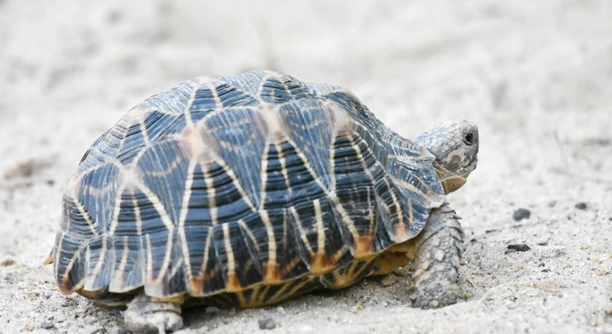
Indian star tortoises are fascinating pets, and keeping them healthy is a priority for many owners. One important aspect of their care involves ensuring they have the right substrate. Substrate provides them with a comfortable and safe environment.
Transitioning Indian star tortoises to a new substrate requires careful planning to ensure the tortoises adjust well to the change. A gradual transition, along with appropriate substrate types, will help prevent stress and health issues for your tortoise.
Understanding the proper steps will help you create a healthy environment for your tortoise. The right substrate ensures comfort and promotes proper behavior. Let’s walk through the steps for transitioning your tortoise smoothly.
Why Switching Substrate is Important for Your Indian Star Tortoise
The right substrate plays a significant role in the well-being of your Indian star tortoise. It affects everything from their ability to regulate body temperature to their overall health. Substrate also provides an essential surface for them to dig, climb, and move around, mimicking their natural habitat. Using the wrong material or failing to replace it when needed can lead to health issues like infections or skin irritation. Additionally, improper substrates may also make cleaning harder, leading to an unhealthy living space. Whether you’re looking to change to a new substrate for better hygiene or simply because it’s time for an upgrade, knowing how to do it properly will ensure that your tortoise stays happy and healthy.
Switching substrates is not something to do on a whim. It’s important to consider the tortoise’s needs and the type of environment you are creating. Doing this correctly can help you avoid unnecessary stress for your pet.
To keep your Indian star tortoise healthy, consider using substrates like coconut coir, cypress mulch, or soil. These materials help with humidity control and allow your tortoise to exhibit natural behaviors. Additionally, make sure the substrate is free from chemicals or pesticides, as these can harm your tortoise. You also need to check that the substrate is not too rough or hard. Soft yet absorbent materials are ideal for your tortoise’s delicate skin. Switching substrates might seem like a small change, but it has a big impact on their health. It’s also a great time to clean the enclosure thoroughly, ensuring the space is free of bacteria. This can prevent respiratory or skin infections, both of which are common when the habitat isn’t properly maintained.
How to Choose the Right Substrate
Choosing the correct substrate is key to your tortoise’s health. Certain substrates hold moisture better, while others dry out too quickly.
Look for substrates that hold moisture and allow for proper humidity. Coconut coir, cypress mulch, and organic soil are good choices. Be sure the material is free from additives or chemicals. They should be soft and absorbent to help maintain the right humidity level for your tortoise’s skin and breathing. Try to avoid materials that are too dusty or can break apart easily, as they can create respiratory issues. Regularly replacing the substrate will also help maintain cleanliness in the enclosure.
When selecting a substrate, think about your tortoise’s natural habitat. In the wild, Indian star tortoises roam areas with dry soil, sand, and some grass. A substrate like coconut coir or cypress mulch mimics this environment. Both materials retain moisture but dry out relatively quickly, preventing mold buildup. They also offer a comfortable surface for your tortoise to walk on. Additionally, avoid using substrates like sand or gravel, as these can cause impaction if ingested. Keeping the substrate clean and monitoring the humidity levels will make a big difference in your tortoise’s comfort and health.
How to Gradually Transition Your Tortoise to a New Substrate
To make the transition smoother, slowly mix the new substrate with the old one. This prevents sudden changes that could stress your tortoise.
Start by adding a small amount of the new substrate to the old one. Over the next few days, increase the amount of new substrate, while decreasing the old. This gradual method helps your tortoise adjust without feeling overwhelmed. It’s important to keep the habitat clean and ensure the new substrate is comfortable. Watch for any signs of discomfort or stress, such as refusal to move or eating.
The gradual process can also help maintain the right humidity balance. If you notice that the humidity drops too much with the new substrate, try adjusting the amount of water added. Regularly check the moisture levels and make sure the enclosure is neither too wet nor too dry. The key is to avoid sudden changes that could disturb your tortoise’s daily routine. This slow transition will help your tortoise feel more secure in its environment.
Monitoring Your Tortoise’s Health During the Transition
Monitor your tortoise for any signs of stress during the substrate change. Pay attention to its behavior and eating habits.
Changes in eating or sleeping patterns can indicate stress. If your tortoise seems less active or refuses to eat, it may need more time to adjust. Keep the habitat calm and stress-free during the transition. Make sure the temperature and humidity are consistent to reduce any additional pressure on your pet. If the tortoise appears unwell, consider reducing the new substrate amount and give it more time to adapt to the change.
During the transition, check for any skin issues or irritation. The new substrate might cause discomfort initially. If you notice redness or bumps on your tortoise’s skin, remove it from the enclosure and examine the situation carefully. Sometimes, switching substrates can lead to minor irritation, but it should clear up with proper care. Keep an eye on your tortoise’s overall condition to ensure the change remains smooth and stress-free.
Cleaning the Substrate
Keep the new substrate clean by regularly removing waste. This ensures your tortoise’s environment remains healthy.
Spot-clean the substrate daily to remove leftover food, feces, and other waste. Thoroughly clean the entire enclosure once a week, replacing any soiled or damp substrate. This helps maintain hygiene and prevents the buildup of bacteria. Ensure you replace the substrate when needed to avoid odor and contamination.
Proper Humidity Control
Proper humidity is key for your tortoise’s health. Use a humidity gauge to monitor the levels inside the enclosure.
Make adjustments based on the humidity readings. If it’s too low, lightly mist the substrate. If it’s too high, increase ventilation or use drier substrate. Maintaining the right humidity ensures your tortoise stays hydrated and helps prevent respiratory problems.
FAQ
What type of substrate is best for an Indian star tortoise?
Coconut coir, cypress mulch, and organic soil are good choices for Indian star tortoises. These materials help maintain proper humidity and provide a comfortable surface for them to walk on. Avoid substrates like sand or gravel, as they can cause impaction if ingested.
Can I use sand as a substrate for my tortoise?
It’s not recommended to use sand alone. While it mimics natural environments, it can cause digestive issues if ingested. Sand can clump together and create blockages in your tortoise’s digestive system. Instead, mix sand with other materials like coconut coir to reduce the risk.
How often should I change the substrate?
You should change the substrate completely every 2-3 months, depending on how much waste accumulates. Spot cleaning should be done daily to remove waste, and a deep cleaning should happen weekly. Replace any wet or soiled substrate to avoid bacterial growth and unpleasant odors.
Can I use soil from my garden as substrate?
It’s not recommended to use soil directly from your garden because it could contain harmful pesticides or chemicals. Additionally, garden soil may carry parasites or bacteria that could harm your tortoise. If you want to use soil, ensure it’s specifically labeled as safe for reptiles or tortoises.
How can I keep the substrate from getting too wet?
Over-watering can cause the substrate to become too damp. To prevent this, monitor the humidity level regularly using a humidity gauge. If the substrate becomes too wet, increase ventilation in the enclosure and let the substrate dry out naturally before reintroducing water. Adding drier material can help maintain balance.
What’s the ideal humidity level for an Indian star tortoise?
Indian star tortoises do best with a humidity level between 50-60%. Too high or low humidity can lead to respiratory or skin issues. Regularly monitor the humidity with a gauge and adjust by misting or ventilating as necessary to maintain the right balance.
Can I use a mix of different substrates?
Yes, you can mix different substrates. Combining coconut coir with cypress mulch, for example, can help balance moisture retention and humidity. Just be sure the mixture is safe and easy for your tortoise to move around on. Avoid overly dry or sticky materials that could cause discomfort.
How do I prevent odors from developing in the substrate?
Regular cleaning and removing waste daily will help prevent odors. If you notice any smell, replace the soiled substrate, and ensure proper ventilation in the enclosure. Consider using natural deodorizing products, like activated charcoal, to help reduce odors without harming your tortoise.
Can I use artificial turf as a substrate?
Artificial turf is not the best choice for Indian star tortoises. It doesn’t retain moisture or provide the natural digging environment they need. It can also be difficult to clean thoroughly, leading to a build-up of bacteria. Stick with natural, absorbent materials for a healthier environment.
What should I do if my tortoise refuses to adjust to the new substrate?
If your tortoise is showing signs of stress, try reducing the amount of new substrate and gradually mix it with the old one over a longer period. Make sure the humidity and temperature are within the proper range, and provide plenty of hiding spots to make the environment feel secure.
Is it necessary to provide a digging area?
Yes, Indian star tortoises enjoy digging, and having a substrate that allows them to do so naturally is important. Provide a deep enough substrate for them to dig into, which mimics their natural behavior. This will keep them entertained and mentally stimulated while supporting their well-being.
How do I clean the substrate?
Remove waste daily using a scoop or small shovel. Wash the enclosure walls and substrate thoroughly once a week, using warm water and a reptile-safe cleaner. Always remove soiled or damp substrate immediately and replace it with fresh material. This will help maintain hygiene and prevent bacteria buildup.
Can I use bark as a substrate?
Bark can be used in combination with other substrates like coconut coir, but it should not be the sole substrate. It may not retain moisture well on its own, and sharp pieces can irritate your tortoise’s skin. Always ensure the bark is finely shredded to reduce any risk of injury.
What’s the best way to transition the humidity levels in the substrate?
Adjust the humidity gradually. If it’s too low, lightly mist the substrate and monitor the humidity level. If it’s too high, you can increase airflow by opening the enclosure or using a fan. Keeping the humidity stable will ensure your tortoise remains healthy and comfortable.
How can I tell if the substrate is too dry for my tortoise?
If your tortoise is showing signs of dryness, such as flaky skin or lethargy, the substrate might be too dry. Ensure the humidity is in the proper range. Additionally, your tortoise may have trouble moving or become dehydrated if the environment is too dry.
Do I need to add a heat source for the substrate?
A heat source isn’t typically required for the substrate itself, but your tortoise’s enclosure will need an appropriate temperature gradient. You can add a heat lamp or heat mat to regulate temperatures between 85-95°F in one part of the enclosure, while allowing a cooler area for your tortoise to retreat to.
What if my tortoise seems uncomfortable with the new substrate?
If your tortoise shows signs of discomfort, such as avoiding the new substrate, it could be due to changes in texture, moisture, or temperature. Observe their behavior closely and consider mixing in more of the old substrate or adjusting the humidity levels to help them adjust.
Switching to a new substrate for your Indian star tortoise doesn’t have to be a complicated process. With careful planning and attention, you can make the transition as smooth as possible. The key is to choose the right substrate that mimics your tortoise’s natural environment and supports their health. Materials like coconut coir, cypress mulch, and organic soil work well in keeping humidity levels stable and giving them a comfortable surface to walk on. Avoiding substrates like sand or gravel can help prevent potential health issues, such as digestive problems.
The transition itself should be gradual, especially if your tortoise is used to a different type of substrate. Mixing the old substrate with the new one and slowly increasing the new material over time will help your tortoise adjust without causing stress. Keep a close eye on your tortoise’s behavior during the process, watching for any signs of discomfort or irritation. Monitoring their eating, drinking, and activity levels will also give you clues about how well they’re adjusting to the change. If you notice any issues, don’t hesitate to make adjustments, whether it’s adjusting the humidity or taking more time for the transition.
Lastly, maintaining the proper care and environment post-transition is just as important as the change itself. Regular cleaning, moisture control, and keeping the right temperature are essential for your tortoise’s long-term health. By paying attention to your tortoise’s needs and adjusting the substrate as necessary, you can create a safe and comfortable space that supports their natural behaviors. With the right substrate and a little patience, you’ll help your Indian star tortoise thrive.

Hello,
If you enjoy the content that we create, please consider saying a "Thank You!" by leaving a tip.
Every little bit helps us continue crafting quality advice that supports the health, happiness, and well-being of pets around the world, for pets of all shapes, sizes, and species.
We really appreciate the kindness and support that you show us!