
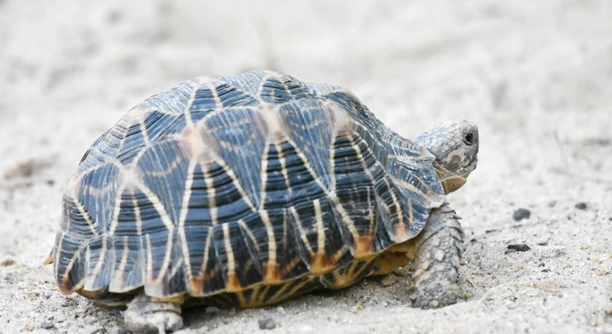
A healthy Indian Star Tortoise is not only a joy to watch but also an important part of maintaining a thriving reptile ecosystem. Recognizing signs of happiness and good health in your tortoise can make a big difference in its well-being.
Indian Star Tortoises display clear signs when they are happy and healthy. Active movement, consistent eating, and bright eyes are common indicators. Regular shell care and appropriate environmental conditions also contribute to their overall health and contentment.
Knowing these signs will help you ensure your tortoise lives a comfortable life. The following details will guide you in identifying what to look for and how to address any concerns.
Healthy Appetite and Regular Eating Habits
A healthy Indian Star Tortoise will show consistent eating habits, enjoying a balanced diet. These tortoises typically eat a variety of greens like dandelion leaves, clover, and grasses. If your tortoise refuses food or shows a lack of interest, it could indicate stress, illness, or an improper environment. Their eating habits can also reveal whether they are feeling comfortable and secure in their surroundings.
A loss of appetite is one of the most common signs of health issues in reptiles. If you notice that your tortoise isn’t eating regularly, it’s important to assess its diet and environment for any changes or stressors.
Make sure your tortoise has access to fresh food daily, and ensure their enclosure is the right temperature and humidity. A healthy tortoise will show eagerness to eat and may graze throughout the day. Their overall vitality and energy levels are closely linked to how well they eat and how much they enjoy their meals.
Active Movement
Active movement is a strong indicator of health in Indian Star Tortoises.
These tortoises are generally active and curious, exploring their surroundings regularly. If your tortoise becomes lethargic and avoids moving around, it may be a sign of discomfort or a potential illness. Observing how often your tortoise moves and explores can provide insight into its well-being. When well cared for, they will engage in routine activities like walking, climbing, and foraging.
Ensure the habitat is spacious enough for movement and offers hiding spots to make your tortoise feel safe. Additionally, they need plenty of room to roam and stay physically active, as a lack of exercise can lead to obesity and other health concerns.
Bright, Clear Eyes
Clear, bright eyes are a good sign of a healthy tortoise. If their eyes appear cloudy, sunken, or swollen, it may indicate an underlying issue like dehydration or an infection. Keeping an eye on their eye health will help you address potential problems early.
When an Indian Star Tortoise is happy and healthy, its eyes should be alert and shiny. Eyes that are dull or have discharge might suggest a need for medical attention. Pay close attention to any changes in the appearance of their eyes, as this can be an early sign of illness. A healthy tortoise will have bright eyes that show interest in its surroundings.
A sudden change in eye appearance can be alarming, but it’s often treatable with proper care. Dehydration, poor diet, or improper lighting can lead to eye issues. Make sure your tortoise’s enclosure has a proper UVB light source and that they are getting the right nutrients to avoid eye-related health problems.
Healthy, Firm Shell
A firm, smooth shell is an important indicator of health in your Indian Star Tortoise.
A healthy shell should be firm to the touch and free from cracks or soft spots. If you notice your tortoise’s shell becoming soft or deformed, it could be a sign of malnutrition or a lack of proper calcium intake. Ensure your tortoise receives the correct amount of calcium to maintain shell strength.
The condition of their shell reflects overall health and can indicate issues like metabolic bone disease if left untreated. Providing proper UVB lighting and a balanced diet with calcium-rich foods will help keep the shell strong and healthy. Regular shell care and gentle cleaning will also prevent fungal or bacterial infections that could weaken it.
Healthy, Regular Bowel Movements
Healthy tortoises have regular bowel movements that are solid and well-formed. If your Indian Star Tortoise isn’t producing waste or has runny stool, it could be a sign of digestive issues or stress. Consistent bowel habits are an easy way to check their health.
If you notice any changes, like a reduction in bowel movements or diarrhea, it’s important to check their diet. A proper balance of fiber and hydration plays a significant role in their digestion. Ensure their diet consists mainly of high-fiber plants and that they have access to fresh water at all times.
Poor digestion can lead to more serious issues if not addressed, so it’s important to monitor this regularly. Keep an eye on their diet and consult a vet if their waste becomes abnormal for extended periods.
Bright, Active Behavior
A bright and active demeanor is a key sign of a healthy tortoise.
Indian Star Tortoises that are well-cared for will exhibit bright, curious behavior. They will actively explore their enclosure, respond to their surroundings, and interact with you when they feel comfortable. If they seem uninterested in their environment or are hiding more than usual, it could indicate health issues or stress.
Ensuring they have enough space, variety, and environmental enrichment will help maintain their active, happy behavior. A lack of activity is often a warning sign of an underlying problem, whether it’s physical discomfort or a change in their habitat that they don’t feel comfortable with.
FAQ
How do I know if my Indian Star Tortoise is sick?
If your Indian Star Tortoise is sick, you might notice changes in behavior, appetite, or physical appearance. Common signs include lethargy, lack of interest in food, cloudy or sunken eyes, soft or deformed shell, or unusual bowel movements. If these symptoms occur, it’s important to consult a vet. Early detection helps in treating most conditions more effectively.
What should I do if my tortoise is not eating?
If your tortoise isn’t eating, check the temperature and humidity levels of its environment. Indian Star Tortoises are sensitive to improper conditions, which can cause stress or loss of appetite. Ensure they have access to fresh, nutritious food like leafy greens. If the issue persists for more than a few days, it’s a good idea to take your tortoise to a vet to rule out any health problems.
Is it normal for my tortoise to hide a lot?
Hiding can be normal if your tortoise feels stressed or needs rest. However, if your tortoise is hiding for extended periods and appears lethargic or unresponsive, this could indicate a health problem. Make sure their environment is safe and free of stressors. Also, consider if they need more space or hiding spots to feel secure.
How can I make sure my tortoise has a proper diet?
To ensure your tortoise gets a proper diet, offer a variety of high-fiber leafy greens and avoid feeding them high-protein foods, which can lead to health problems. You should also provide calcium and vitamin D3 supplements if they are not getting enough from their diet or UVB lighting. Fresh water should always be available, and you should avoid overfeeding high-sugar fruits.
Can my Indian Star Tortoise live without UVB light?
No, UVB light is essential for your tortoise’s health. It helps them produce vitamin D3, which is necessary for calcium absorption and shell health. Without proper UVB exposure, your tortoise may develop metabolic bone disease, a serious condition that affects their bones and shell. Make sure your tortoise’s enclosure includes a proper UVB light source, especially if they are not getting natural sunlight.
How often should I bathe my tortoise?
Bathing your tortoise once or twice a week is usually enough. This helps with hydration, as tortoises can absorb water through their skin. Always use lukewarm water, ensuring that the water level is low enough for your tortoise to move around comfortably. Be sure to dry them gently afterward to prevent any cold stress.
What temperature should my Indian Star Tortoise’s habitat be?
The ideal temperature for an Indian Star Tortoise’s habitat should range between 85°F and 95°F during the day, with a basking spot around 100°F. At night, the temperature can drop to around 70°F. These tortoises need a temperature gradient so they can move to areas that suit their needs. Make sure the enclosure is equipped with both a heat source and a cooler area.
Why is my tortoise’s shell soft?
A soft shell is often a sign of calcium deficiency or improper lighting. Ensure your tortoise has access to adequate UVB lighting, which helps with calcium absorption, and offer calcium supplements if necessary. A soft shell can also be a symptom of metabolic bone disease, so it’s crucial to address this problem immediately by adjusting their diet and lighting and consulting a vet.
How do I prevent shell rot in my Indian Star Tortoise?
Shell rot is caused by poor hygiene and unsuitable humidity levels in your tortoise’s environment. To prevent shell rot, keep the enclosure clean and dry, and avoid excessive humidity. Make sure your tortoise has access to dry, well-ventilated areas. Regularly inspect their shell for any signs of softness, discoloration, or foul odor, as these can be early signs of rot. If you suspect shell rot, seek veterinary care right away.
Can I house more than one Indian Star Tortoise together?
Indian Star Tortoises can sometimes be housed together, but they are solitary animals by nature. If you choose to house multiple tortoises together, make sure the enclosure is large enough to provide each one with their own space to roam. Male tortoises, in particular, can be territorial and may fight. Keep a close eye on their interactions, and if aggression occurs, separate them.
Why is my tortoise not moving much?
Lack of movement can be a sign of illness, stress, or an unsuitable environment. If your tortoise is not moving much, first check the temperature and humidity levels in the enclosure. A tortoise may also become inactive if it’s not feeling well or is experiencing discomfort, so monitor their behavior closely. If the lack of movement persists, consult a vet for a proper diagnosis.
How do I know if my tortoise is stressed?
Signs of stress in tortoises include loss of appetite, hiding more than usual, excessive pacing, or changes in behavior. Stress can be caused by environmental factors like improper temperature, too much handling, or overcrowding. If you notice signs of stress, assess their habitat and try to remove any stressors. Providing a safe, quiet space for your tortoise can help reduce stress.
What type of substrate is best for my Indian Star Tortoise?
For an Indian Star Tortoise, the best substrates are ones that allow for easy cleaning and maintain appropriate humidity levels. You can use a mix of coconut coir, cypress mulch, or organic topsoil. Avoid using sand, gravel, or wood shavings, as these can cause health issues if ingested.
How do I tell if my tortoise is dehydrated?
Signs of dehydration in tortoises include dry or cracked skin, sunken eyes, and a lack of interest in food or activity. If you suspect dehydration, offer a shallow bath with lukewarm water to encourage hydration. Make sure they also have access to fresh water in their enclosure at all times.
How long can an Indian Star Tortoise live?
Indian Star Tortoises can live for many years with proper care, often reaching 50 to 100 years in the wild or in captivity. A long lifespan is a reflection of a stable, well-maintained environment. Regular health checks and attention to their diet, habitat, and overall well-being can help them live to their full potential.
Final Thoughts
Caring for an Indian Star Tortoise requires attention to detail, but it’s worth the effort to ensure they lead a happy and healthy life. By observing their behavior and physical health regularly, you can quickly spot any signs of distress or illness. A tortoise that is eating well, moving actively, and has a bright, clear-eyed look is likely in good health. On the other hand, changes in these areas can be early indicators that something might be wrong, and acting quickly can make a big difference in treatment.
Maintaining the right habitat conditions is crucial for the well-being of your tortoise. Temperature, humidity, and lighting play a significant role in their health. UVB lighting is especially important for ensuring they get enough vitamin D3 for proper calcium absorption. Regular bathing, along with a balanced diet of fiber-rich greens and appropriate supplements, helps your tortoise stay hydrated and nourished. Providing the proper space for your tortoise to roam is equally important, as it encourages physical activity and mental stimulation. A comfortable environment will help your tortoise thrive, and observing them regularly will allow you to notice any changes that may indicate stress or health issues.
Indian Star Tortoises are relatively low-maintenance pets once their basic needs are met, but it’s important to remain vigilant in monitoring their health. Remember that they are not just a decorative part of your home, but living creatures with specific requirements. Pay attention to their behavior, diet, and habitat, and you will build a positive, lasting relationship with your tortoise. With proper care, your tortoise can enjoy a long, healthy life.

Hello,
If you enjoy the content that we create, please consider saying a "Thank You!" by leaving a tip.
Every little bit helps us continue crafting quality advice that supports the health, happiness, and well-being of pets around the world, for pets of all shapes, sizes, and species.
We really appreciate the kindness and support that you show us!