
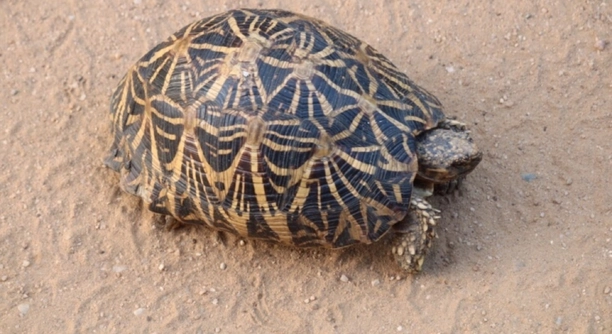
Is your Indian star tortoise always sitting under the heat lamp, barely moving away from it? Many tortoise owners notice this behavior and wonder if it is normal or if something might be wrong with their pet’s environment.
Your Indian star tortoise stays near the heat lamp because it seeks warmth to regulate its body temperature. These tortoises are cold-blooded and depend on external heat sources to maintain proper digestion, metabolism, and overall well-being. Inadequate warmth can lead to health issues.
Understanding why your tortoise craves heat is essential for creating a balanced habitat. Temperature fluctuations, lighting placement, and even diet can impact their behavior. Learning the right adjustments can help keep your tortoise comfortable and thriving.
Understanding Your Tortoise’s Need for Heat
Indian star tortoises rely on external heat sources to regulate their body temperature. Unlike warm-blooded animals, they cannot generate their own heat. If their enclosure is too cold, they may struggle with digestion, metabolism, and movement. This is why they often stay near the heat lamp, soaking up warmth. Without proper heating, their immune system can weaken, making them prone to illnesses. Their natural habitat consists of warm and dry conditions, so replicating that environment is important. A basking spot with a temperature of 90-95°F ensures they stay comfortable. At night, temperatures should not drop below 75°F.
Keeping the heat consistent allows your tortoise to thrive. If they are constantly under the lamp, it might mean the rest of their enclosure is too cold. Adjusting the temperature gradient can help them move around more freely.
A well-heated enclosure encourages activity and prevents sluggishness. It also helps with appetite, digestion, and overall well-being.
Signs of an Improper Temperature Setup
If your tortoise rarely leaves the heat lamp, it could be a sign that the rest of the enclosure is too cold. A lack of movement, loss of appetite, and sluggish behavior can indicate discomfort.
To create a balanced setup, ensure there is a proper temperature gradient. A basking area should be warmer, while the cooler side should stay around 80°F. Use a high-quality heat lamp and thermostat to maintain stability. Placing a thermometer in different areas of the enclosure helps monitor temperature variations. If your tortoise still seems too reliant on the lamp, consider adjusting the wattage of your heat source. Providing proper substrate, like cypress mulch or coconut coir, can help with insulation.
A well-maintained habitat keeps your tortoise active and comfortable. Small changes can make a big difference in their daily routine and overall health.
Adjusting the Heat Lamp for Better Comfort
If your tortoise stays under the heat lamp too much, adjusting its placement and wattage can help. The lamp should provide warmth without making the enclosure too hot. A well-balanced setup encourages movement between warm and cool areas, preventing overheating or excessive dependence on one spot.
Position the heat lamp over a designated basking area, ensuring it reaches 90-95°F. The cooler side should be around 80°F. Using a ceramic heat emitter at night can prevent drastic temperature drops. If your tortoise remains under the lamp all day, check for drafts or uneven heating. A digital thermometer with multiple sensors helps track temperature differences. Avoid placing the enclosure near windows or vents that can cause fluctuations. Making gradual adjustments allows your tortoise to adapt without stress.
Using a timer for the heat lamp ensures a natural day-night cycle. Overheating can lead to dehydration, while underheating can slow digestion. Monitoring their behavior helps fine-tune the setup.
Other Factors That Influence Heat-Seeking Behavior
A tortoise that constantly seeks warmth might not just be responding to temperature. Stress, illness, or dehydration can also make them seek extra heat. Ensuring a proper environment, diet, and hydration can prevent these issues and keep your tortoise comfortable.
Dehydration can make a tortoise feel cold. Providing a shallow water dish and regular soakings helps maintain hydration. A poor diet lacking essential nutrients can also affect their ability to regulate body temperature. Leafy greens, calcium supplements, and occasional fruits help support their overall health. If your tortoise is lethargic despite proper heating, it might be worth checking for signs of illness, such as nasal discharge, sunken eyes, or lack of appetite. A visit to a reptile vet can rule out underlying issues.
A stress-free environment encourages normal behavior. Reducing loud noises, handling them gently, and ensuring enough hiding spots can make a difference. A comfortable and well-maintained habitat allows them to regulate heat naturally.
Ensuring Proper Humidity Levels
Low humidity can make a tortoise seek extra warmth. Indian star tortoises need 50-70% humidity to stay hydrated and maintain healthy shell growth. A dry environment can lead to dehydration and shell pyramiding, making them spend more time under the heat lamp for comfort.
Misting the enclosure, using a humid hide, and providing a shallow water dish help maintain proper humidity. Choosing the right substrate, like coconut coir or cypress mulch, retains moisture without becoming too damp. Regularly checking humidity levels with a hygrometer ensures the environment stays within the ideal range.
Providing a Balanced Diet for Temperature Regulation
A well-balanced diet helps a tortoise regulate body temperature more efficiently. Leafy greens like collard greens, mustard greens, and dandelion greens provide essential nutrients. Calcium and vitamin D3 supplements support strong bones and shell health. Fruits should only be given occasionally to prevent digestive issues and weight gain.
The Importance of Routine Temperature Monitoring
Regularly checking the temperature ensures a stable environment. Using multiple thermometers in different areas of the enclosure helps track fluctuations. Adjusting heat sources based on seasonal changes prevents overheating or chilling. Keeping a consistent setup reduces stress and keeps your tortoise comfortable throughout the day.
FAQ
Why does my Indian star tortoise sleep under the heat lamp?
Sleeping under the heat lamp usually means your tortoise is trying to stay warm. If the rest of the enclosure is too cold, they will remain in the warmest spot. Ensure a proper temperature gradient with a basking area of 90-95°F and a cooler side around 80°F.
Can too much heat harm my tortoise?
Yes, excessive heat can lead to dehydration and overheating. If your tortoise is constantly hiding, avoiding food, or showing signs of lethargy, the enclosure may be too hot. Monitor temperatures closely and provide shaded areas to help them regulate their body temperature.
How do I know if my tortoise is too cold?
A cold tortoise may be sluggish, refuse food, or stay under the heat lamp all day. If temperatures drop below 75°F at night, consider using a ceramic heat emitter to maintain warmth. Sudden temperature drops can weaken their immune system.
Should I leave the heat lamp on all night?
No, tortoises need a natural day-night cycle. At night, a slight temperature drop is normal and beneficial. If the room gets too cold, a ceramic heat emitter can provide warmth without disrupting their sleep. Keeping the light on 24/7 can cause stress and disrupt their routine.
What kind of heat lamp is best for an Indian star tortoise?
A combination of a basking heat lamp and a UVB light is ideal. The basking lamp provides warmth, while the UVB light helps with calcium absorption and shell health. Mercury vapor bulbs offer both heat and UVB in one fixture, making them a convenient option.
How often should I check the enclosure temperature?
Temperature should be checked daily using digital thermometers placed in different areas of the enclosure. A thermostat can help maintain a stable environment by adjusting the heat source as needed. Seasonal changes may require adjusting the wattage of your heat lamp.
Why is my tortoise still cold even with a heat lamp?
If your tortoise remains cold despite a heat lamp, the bulb may not be strong enough, or the enclosure may be too large for the heat to distribute properly. Using a higher wattage bulb or adjusting the lamp’s height can improve warmth. Drafts from windows or air vents can also cause temperature drops.
Can stress make my tortoise seek heat more often?
Yes, stress can cause a tortoise to stay under the heat lamp. A new environment, excessive handling, or loud noises can make them feel uneasy. Providing hiding spots, reducing disturbances, and keeping a consistent routine can help them feel secure.
How can I tell if my tortoise is dehydrated?
Signs of dehydration include sunken eyes, dry skin, and lethargy. If your tortoise is seeking extra warmth, it may be trying to compensate for dehydration. Providing fresh water, regular soakings, and maintaining proper humidity levels can prevent this issue.
Do baby Indian star tortoises need more heat than adults?
Yes, hatchlings and young tortoises are more sensitive to temperature changes and need slightly warmer conditions. Their basking area should be around 95°F, with the cooler side staying at 82-85°F. Proper warmth helps them grow and develop a healthy shell.
What happens if my tortoise doesn’t get enough heat?
A lack of heat can slow digestion, weaken the immune system, and cause inactivity. If temperatures remain too low for long periods, the tortoise may stop eating and become susceptible to respiratory infections. Maintaining proper warmth is crucial for their overall health.
Why does my tortoise sometimes avoid the heat lamp?
If your tortoise is avoiding the heat lamp, it may be too hot. Check the temperature with a digital thermometer to ensure it is within the proper range. Another reason could be an incorrect light source, as some lamps emit too much intense heat or light.
Does UVB lighting affect how much time my tortoise spends under the heat lamp?
Yes, UVB lighting is essential for proper calcium absorption and bone health. Without UVB, a tortoise may become weak and spend more time basking in an attempt to stay healthy. Using a high-quality UVB bulb alongside the heat lamp helps maintain their well-being.
What should I do if my tortoise refuses to leave the heat lamp area?
If your tortoise never moves away from the heat lamp, check the overall enclosure temperature. Ensure the cool side isn’t too cold, and consider adjusting the wattage of your heat lamp. Providing a proper humidity level and ensuring they are well-hydrated can also help.
Can improper substrate affect my tortoise’s need for heat?
Yes, using the wrong substrate can make it harder for your tortoise to retain heat. Dry or cold bedding, like newspaper or sand, can make them feel uncomfortable. Using a moisture-retaining substrate like coconut coir or cypress mulch helps maintain warmth and humidity.
How can I create a better temperature gradient in my tortoise’s enclosure?
Placing the heat lamp on one side of the enclosure creates a warm basking area while leaving the other side cooler. This allows your tortoise to move between temperatures as needed. Using multiple thermometers helps ensure proper heat distribution.
Can seasonal changes affect my tortoise’s behavior?
Yes, during colder months, indoor temperatures may drop, causing your tortoise to seek extra warmth. Increasing the wattage of your heat lamp or using a ceramic heat emitter at night can help. Monitoring temperature changes throughout the year ensures they stay comfortable.
How do I know if my tortoise is overheating?
If your tortoise is overheating, it may avoid the basking area, become restless, or dig into the substrate to cool down. Signs of heat stress include panting, excessive stretching, and reduced appetite. Adjusting the heat source and providing shaded areas can help regulate their temperature.
Final Thoughts
Providing the right temperature for your Indian star tortoise is essential for its health and comfort. If your tortoise is always under the heat lamp, it could mean the rest of the enclosure is too cold or the heat distribution is unbalanced. Ensuring a proper temperature gradient allows them to move freely between warm and cool areas. A basking spot of 90-95°F and a cooler side around 80°F helps maintain their body temperature. Nighttime temperatures should not drop below 75°F to prevent sluggishness and potential health issues. Regularly checking and adjusting the heat source can keep your tortoise comfortable and active.
Other factors like humidity, hydration, diet, and stress also influence your tortoise’s heat-seeking behavior. Low humidity can lead to dehydration, causing them to seek extra warmth. A well-balanced diet with leafy greens and calcium supplements helps them regulate their body temperature properly. Stress from loud noises, frequent handling, or environmental changes can also affect their behavior. Ensuring a calm environment with hiding spots can make them feel more secure. Monitoring their daily habits and making small adjustments can create a well-balanced enclosure where they feel safe and thrive.
A properly heated and maintained habitat keeps your tortoise healthy and active. If your tortoise spends too much time under the heat lamp, checking the enclosure’s overall conditions can help identify the issue. Using high-quality thermometers, adjusting the wattage of the heat source, and maintaining proper humidity all contribute to a comfortable living space. Small changes in temperature, diet, or hydration can make a big difference in their well-being. By understanding their needs and observing their behavior, you can ensure they live a long and happy life.

Hello,
If you enjoy the content that we create, please consider saying a "Thank You!" by leaving a tip.
Every little bit helps us continue crafting quality advice that supports the health, happiness, and well-being of pets around the world, for pets of all shapes, sizes, and species.
We really appreciate the kindness and support that you show us!