
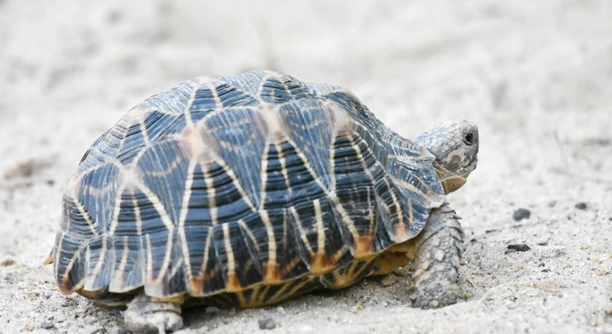
Indian Star Tortoises are fascinating creatures with unique behaviors. However, if your tortoise is frequently biting its tank, this could indicate underlying issues that need attention. Understanding the cause can help improve your pet’s well-being.
Biting behavior in Indian Star Tortoises is often linked to stress, boredom, or an improper environment. Insufficient space, temperature fluctuations, or a lack of mental stimulation can lead to repetitive actions like biting the tank.
This behavior can be addressed by adjusting your tortoise’s habitat and providing more enrichment. Ensuring a proper environment can help alleviate stress and encourage more natural behaviors.
Understanding Tank Biting in Indian Star Tortoises
Tank biting is a behavior that can leave many pet owners puzzled. When an Indian Star Tortoise repeatedly bites the tank, it often reflects a discomfort in its environment. These tortoises are known for their calm demeanor, and such behavior is typically a sign that something is not quite right. It’s important to observe your tortoise carefully and identify potential causes. This could be a result of stress, frustration, or the simple need for more space. If the tank is too small or lacks proper enrichment, the tortoise may resort to biting as a way to cope.
A change in your tortoise’s habitat can provide immediate relief. If you have recently changed the tank setup or lighting, these changes can have a direct impact. Ensuring the right balance of light, heat, and humidity is crucial for their overall comfort.
Small adjustments can go a long way. Providing hiding spots and varied surfaces can make a big difference in preventing your tortoise from focusing on the tank itself.
Creating a Comfortable Environment
The size of your tortoise’s enclosure plays a significant role in its behavior. A cramped tank can lead to frustration and repetitive actions like biting. You should aim for an enclosure that is large enough to allow for movement and exploration. This can help reduce feelings of confinement, which can often lead to unwanted behaviors.
In addition to size, the temperature and humidity within the tank should mimic the tortoise’s natural habitat. Indian Star Tortoises require a specific temperature range to stay healthy. A lack of proper heating or humidity can stress the tortoise, leading to anxiety and abnormal behaviors. Adjusting these environmental factors can help your tortoise feel more at ease.
Consider adding more stimulation to the tank. This includes offering plants or rocks to climb on, which can provide both physical and mental enrichment. With the right environment and stimulation, your tortoise will feel more comfortable, and biting should decrease.
Stress Factors in Indian Star Tortoises
Stress can significantly impact an Indian Star Tortoise’s behavior. Common stressors include loud noises, abrupt changes in their routine, or even the presence of other animals. These factors can make your tortoise feel unsafe and lead to biting as a form of self-soothing.
It’s essential to keep the tank in a quiet area where your tortoise is less likely to experience disturbances. If you have other pets, ensure the tortoise is not being provoked or intimidated. Stress can cause serious long-term health issues if not addressed promptly, so providing a calm, stable environment is crucial.
Routine feeding and interaction can also play a role in reducing stress. A stable feeding schedule helps establish security, allowing your tortoise to feel more relaxed in its environment. Be mindful of the surroundings and keep them consistent to avoid triggering anxiety.
Boredom and Lack of Stimulation
Boredom can quickly set in for tortoises that don’t have enough stimulation in their environment. Without objects to interact with or explore, they may resort to biting the tank out of frustration. This repetitive action is often a result of needing more mental or physical engagement.
To combat this, provide different textures, climbing areas, or places to hide. Introducing toys or plants can also add variety and keep your tortoise engaged. A well-rounded environment will allow your tortoise to behave more naturally and reduce the urge to bite.
Offering variety can also improve your tortoise’s overall health. By allowing it to explore, climb, and interact with its habitat, you help meet its physical needs, leading to a healthier and happier pet. With proper stimulation, biting behavior should diminish significantly.
Tank Size and Space
An enclosure that is too small will make your tortoise feel restricted and may lead to biting the tank. Providing a larger habitat is essential for their well-being. Tortoises need space to move freely and explore.
A cramped tank leads to frustration, as the tortoise cannot exhibit natural behaviors. Offering a spacious environment gives your tortoise the opportunity to roam, preventing behaviors like biting. The more room your tortoise has to navigate, the less likely it will feel the need to engage in such actions.
Temperature and Humidity Control
Maintaining the correct temperature and humidity levels in the tank is essential for your tortoise’s comfort. Indian Star Tortoises require a specific range to stay healthy. If the environment is too cold or dry, it will cause stress.
A temperature gradient within the tank is vital, allowing your tortoise to regulate its body temperature. Using a thermometer and hygrometer can help you monitor the conditions and make adjustments as needed. This ensures a comfortable and secure habitat, which reduces stress-induced behaviors like biting.
The Importance of Hiding Spots
Hiding spots in the enclosure provide your tortoise with a sense of security. A place to retreat can help minimize stress, as tortoises naturally seek shelter when feeling threatened. Without hiding spots, they may feel exposed and anxious.
Adding elements like caves, rocks, or plants gives your tortoise a safe space to retreat. This simple addition can go a long way in preventing unnecessary stress. By offering a secure spot, your tortoise will feel less inclined to bite the tank, as it can find comfort when needed.
FAQ
Why does my Indian Star Tortoise bite its tank?
Biting is often a sign of stress, boredom, or an improper environment. If your tortoise is in a small tank with no enrichment, it might resort to biting as a way to cope with its discomfort. Stress from environmental factors like improper lighting, temperature, or the presence of other pets can also trigger this behavior.
How can I reduce stress in my Indian Star Tortoise?
To reduce stress, ensure your tortoise’s environment is quiet and calm. Avoid sudden changes in its routine and minimize the presence of other pets that may intimidate or disturb it. Maintaining a stable temperature, humidity, and proper lighting will also help your tortoise feel safe and secure.
Does my tortoise need a bigger tank?
Yes. A larger tank is essential for your tortoise’s comfort. A cramped environment can lead to frustration and anxiety, which may cause biting. A bigger enclosure allows your tortoise to roam freely, interact with its surroundings, and feel less confined, which reduces the likelihood of stress-induced behaviors.
What is the ideal temperature for an Indian Star Tortoise?
Indian Star Tortoises thrive in temperatures between 80-85°F during the day and around 70°F at night. Providing a temperature gradient within the tank, where one side is warmer and the other cooler, allows your tortoise to regulate its body temperature. A basking spot should reach around 90-95°F.
Can I keep my tortoise with other pets?
It’s best to keep your tortoise in a separate enclosure from other pets. If you do want to introduce it to other animals, be cautious. Larger pets or more aggressive animals may cause your tortoise stress. Additionally, interactions should be monitored closely to avoid harm to either animal.
What types of hiding spots should I provide for my tortoise?
Hiding spots like caves, large rocks, or dense plants can offer your tortoise a sense of security. Tortoises naturally seek shelter when they feel threatened. Providing a few hiding options in different areas of the tank will allow your tortoise to choose where it feels safest.
How often should I feed my Indian Star Tortoise?
Indian Star Tortoises are herbivores and should be fed daily, with a diet consisting of leafy greens, flowers, and vegetables. Offering a variety of food items is essential for a balanced diet. Ensure the food is fresh and free from pesticides. It’s also important to avoid overfeeding, as it can lead to obesity.
Is it normal for my tortoise to be active at night?
Indian Star Tortoises are primarily diurnal, meaning they are most active during the day. However, some tortoises may exhibit slight nocturnal behavior, especially if the environment is cooler at night. If your tortoise is constantly active at night, it may indicate a problem with temperature or lighting.
Why does my tortoise try to climb the sides of the tank?
Climbing the sides of the tank could be a sign of boredom or a desire to escape. It might also indicate that the tank is too small, and your tortoise feels confined. Adding climbing structures like rocks or branches and increasing the tank size can reduce this behavior.
Can I use a regular lamp for my tortoise’s tank?
No, regular lamps do not provide the specific light needed for your tortoise’s health. You should use a UVB light to simulate natural sunlight and provide essential UV rays that your tortoise needs for proper calcium absorption. A basking light is also necessary to maintain the appropriate temperature.
How can I prevent my tortoise from biting the tank?
Start by addressing any environmental issues such as tank size, temperature, and enrichment. Make sure your tortoise has plenty of space, hiding spots, and items to climb on. Also, maintain a consistent routine to reduce stress. If biting continues, consult a vet to rule out any medical issues.
Should I be concerned if my tortoise is not eating?
If your tortoise is not eating, it could be a sign of stress, poor habitat conditions, or health issues. Check the temperature, humidity, and diet to ensure everything is in order. If your tortoise still refuses food after addressing these factors, it’s best to consult a vet.
Final Thoughts
Addressing the issue of your Indian Star Tortoise biting its tank requires a thorough approach. First, ensure its environment is appropriate, with enough space, temperature regulation, and hiding spots. Stress from inadequate living conditions can lead to behaviors like biting. Providing a suitable habitat allows your tortoise to feel secure, reducing the need for stress-induced actions. It’s important to recognize that your tortoise’s behavior is often a response to its environment, and by making simple changes, you can improve its well-being.
Behavioral issues like biting may also be tied to boredom or a lack of enrichment. In the wild, tortoises roam large areas, and they need opportunities to explore and interact with their surroundings in captivity. By adding enrichment like climbing structures, plants, or safe objects to the tank, you provide your tortoise with a more stimulating environment. This can prevent unwanted behaviors while promoting its overall health. A well-balanced diet and proper hydration are also crucial for maintaining your tortoise’s physical and mental health.
In cases where environmental changes don’t seem to help, or if the biting continues, it’s wise to consult a veterinarian. Sometimes, underlying health issues can cause stress or discomfort, leading to unusual behaviors. A vet can ensure that your tortoise is in good health and advise you on any adjustments you may need to make to its care routine. Ultimately, by creating a comfortable and enriching environment for your tortoise, you can help it thrive and reduce behaviors like biting the tank.

Hello,
If you enjoy the content that we create, please consider saying a "Thank You!" by leaving a tip.
Every little bit helps us continue crafting quality advice that supports the health, happiness, and well-being of pets around the world, for pets of all shapes, sizes, and species.
We really appreciate the kindness and support that you show us!