
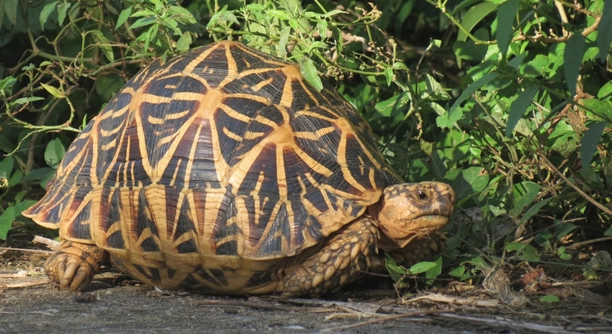
Certain vegetables are harmful to Indian Star Tortoises and can cause digestive or health problems. Knowing which foods to avoid is crucial for keeping them healthy and thriving in their habitat.
Indian Star Tortoises should avoid vegetables such as spinach, lettuce, potatoes, tomatoes, onions, garlic, and rhubarb. These vegetables contain compounds that can be toxic or difficult to digest, leading to serious health issues.
Being mindful of what your tortoise eats can help maintain its well-being. Avoiding these vegetables is an essential step in providing a safe, balanced diet.
Spinach: A Hidden Risk for Indian Star Tortoises
Spinach may seem like a healthy option for tortoises, but it can be harmful. It contains high levels of oxalates, which can prevent calcium absorption. This imbalance can lead to shell deformities, bone issues, and other health problems over time. Though spinach is a nutritious leafy green for humans, it’s not suitable for reptiles like the Indian Star Tortoise. Its high oxalate content can interfere with the tortoise’s calcium intake, which is crucial for maintaining a strong shell and bones. Avoid offering spinach as part of their regular diet to ensure their long-term health.
Instead, feed them a variety of calcium-rich greens, such as dandelion leaves or collard greens. These options help balance the necessary nutrients without the risk of oxalates. It is important to focus on vegetables and plants that promote bone strength and overall health. This way, your tortoise will grow to its full potential without facing calcium deficiency.
Keeping your Indian Star Tortoise’s diet varied and balanced is essential. By providing safe vegetables, you can ensure it remains healthy and strong throughout its life.
Lettuce: More Harm Than Good
Lettuce, especially iceberg, lacks essential nutrients. It mainly contains water, which can lead to diarrhea or dehydration in tortoises.
Though it may seem harmless, lettuce should be avoided due to its high water content. Offering lettuce can cause digestive issues for your tortoise, leading to loose stools and potential dehydration. Lettuce lacks the vital nutrients that Indian Star Tortoises need, like fiber and essential vitamins. Instead, stick to other leafy greens such as kale or mustard greens, which provide better nutritional value and help maintain digestive health.
A healthy, well-rounded diet for your tortoise should include foods that promote hydration and nutrition, while avoiding the negative effects of lettuce.
Potatoes: A Danger to Your Tortoise
Potatoes contain solanine, a toxic compound that can harm your tortoise. It is found in higher concentrations in raw or green potatoes. If ingested, solanine can cause digestive distress, lethargy, and even death.
Even small amounts of solanine can be dangerous, making potatoes an unsuitable food for Indian Star Tortoises. It’s essential to avoid feeding them potatoes in any form, whether raw, cooked, or in small amounts. If potatoes are part of their environment, it’s best to remove them entirely to prevent accidental ingestion. Stick to safer vegetables like squash or carrots, which are non-toxic and offer better nutritional benefits.
Feeding your tortoise a variety of safe vegetables helps ensure its health and longevity. Potatoes simply aren’t worth the risk and can cause more harm than good.
Tomatoes: Toxic and Harmful
Tomatoes contain solanine, similar to potatoes, which is harmful to tortoises. Even ripe tomatoes can cause digestive problems and other issues if consumed regularly.
In addition to the solanine found in tomatoes, their acidic content can also irritate your tortoise’s digestive system. This irritation can lead to bloating and discomfort, which affects their overall well-being. Feeding them tomatoes on rare occasions may not cause immediate harm, but it’s best to avoid them entirely. Instead, opt for safe vegetables like zucchini or bell peppers, which are not acidic and much gentler on their digestive system.
Tomatoes are often included in various diets for reptiles, but they aren’t safe for Indian Star Tortoises. Stay cautious and choose better alternatives for their health.
Onions: A Silent Threat
Onions, in any form, can be harmful to your tortoise. They contain compounds that can damage red blood cells, leading to anemia. Even small amounts should be avoided.
Anemia can cause lethargy, weakness, and other health issues in tortoises. The toxic compounds in onions are not always immediately visible but can have long-term effects if ingested. Be cautious and remove any onions from their environment, ensuring that your tortoise does not come into contact with them.
Substitute onions with safe vegetables such as green beans or sweet peppers. These options are not only safe but also nutritious for your tortoise’s diet.
Garlic: Toxic to Tortoises
Garlic contains compounds that can harm your tortoise’s digestive and overall health. It is similar to onions in its toxic properties and should never be included in their diet.
Garlic can cause digestive issues, including upset stomach, and can also harm the liver. The toxins in garlic affect the body over time, leading to long-term health problems. It’s essential to avoid garlic in any form, whether raw, cooked, or powdered. Instead, focus on tortoise-safe plants and vegetables that support a balanced diet without causing harm.
Feeding your tortoise safe, healthy foods ensures it remains strong and vibrant. Avoiding garlic is a simple but vital step in this process.
Rhubarb: A Serious Danger
Rhubarb contains oxalates and anthraquinone glycosides, which are harmful to tortoises. These compounds can cause kidney failure or severe digestive issues.
Oxalates are known to interfere with calcium absorption, leading to bone problems. The high levels of oxalates in rhubarb can also lead to kidney damage, making it a very dangerous plant for your tortoise. Even small amounts can be harmful, so it’s important to remove rhubarb from their diet entirely. Opt for safer leafy greens like mustard greens or dandelion leaves to provide vital nutrients without the risk.
When caring for an Indian Star Tortoise, understanding what to avoid is as important as knowing what to feed it. Removing harmful plants like rhubarb ensures your tortoise stays healthy and avoids serious complications.
FAQ
Can Indian Star Tortoises eat fruits?
Yes, Indian Star Tortoises can eat certain fruits, but only in moderation. Fruits should be offered sparingly, as they are high in sugar and can upset their digestive system if consumed too frequently. Safe options include small amounts of apples, berries, and melons. Avoid citrus fruits, as their acidity can be harmful. It’s essential to balance fruit consumption with high-fiber, leafy greens and vegetables to ensure a well-rounded diet. Overfeeding fruits can also cause obesity, so always limit their intake.
Are there any vegetables Indian Star Tortoises can eat every day?
Yes, there are several vegetables that can be fed daily to Indian Star Tortoises. These include dandelion greens, collard greens, and mustard greens. These vegetables are rich in calcium, fiber, and essential nutrients that are beneficial for tortoises. Other safe options include squash, zucchini, and carrots. It’s important to rotate different vegetables to prevent any nutrient imbalances and keep their diet diverse. Always avoid feeding them high-oxalate vegetables like spinach and high-water-content vegetables like iceberg lettuce.
Is it safe to feed Indian Star Tortoises leafy greens?
Leafy greens are generally safe and should make up a significant portion of an Indian Star Tortoise’s diet. These greens, such as kale, mustard greens, and dandelion leaves, are nutrient-rich and provide essential vitamins and minerals. Leafy greens also help with digestion due to their high fiber content. However, avoid feeding them spinach in large quantities due to its high oxalate content, which can interfere with calcium absorption. Rotate different types of leafy greens to keep their diet varied and balanced.
What should I do if my Indian Star Tortoise eats something harmful?
If your Indian Star Tortoise eats something harmful, it’s essential to monitor its behavior closely. Watch for signs of discomfort, such as lethargy, diarrhea, or changes in appetite. If you notice any unusual symptoms, it’s best to contact a reptile vet immediately for advice. In cases of serious poisoning or ingestion of toxic plants, prompt medical attention is crucial. Keep a list of harmful plants and foods, and ensure that your tortoise cannot access them. Regularly check the area where they roam to prevent accidental consumption.
Can Indian Star Tortoises eat flowers?
Indian Star Tortoises can eat certain edible flowers, but not all flowers are safe for them. Safe flowers include dandelion flowers, hibiscus, and pansies. These flowers are non-toxic and can be a healthy treat in moderation. However, many flowers, such as those from common household plants, can be toxic. Always verify that the flowers you offer are safe for tortoises. Avoid flowers from plants that are treated with pesticides or chemicals, as these can be harmful to your tortoise’s health.
Can I feed my Indian Star Tortoise commercial food?
While there are commercial foods available for tortoises, it’s best to prioritize fresh, natural food. Many commercial tortoise pellets may lack the necessary nutrients and can be high in additives and preservatives. If you do choose to use commercial food, make sure it is specifically designed for tortoises and supplemented with fresh vegetables, fruits, and leafy greens. Always read the ingredient list carefully to avoid any harmful additives. Fresh, whole foods are always the best choice for your tortoise’s diet.
Is it okay to feed my Indian Star Tortoise wet food?
Indian Star Tortoises primarily need a dry, fiber-rich diet consisting of fresh vegetables and greens. Wet food, especially in the form of canned or jarred products, can upset their digestive system. Some wet foods may also contain additives or preservatives that are harmful. It’s best to avoid feeding them wet food altogether. If you want to ensure hydration, provide fresh water or mist their habitat to maintain moisture. A diet high in moisture from vegetables like cucumber or squash is also beneficial.
How do I make sure my Indian Star Tortoise gets enough calcium?
Calcium is crucial for maintaining the health of your tortoise’s shell and bones. To ensure your Indian Star Tortoise receives enough calcium, offer calcium-rich vegetables such as dandelion greens, collard greens, and bok choy. You can also provide calcium supplements in the form of a powder sprinkled on their food, especially if their diet doesn’t include enough calcium-rich foods. UVB lighting is also essential to help your tortoise synthesize calcium from food. Without adequate calcium intake, your tortoise may develop metabolic bone disease, which can be life-threatening.
Are there any plants that I should never feed my Indian Star Tortoise?
Yes, there are several plants that should never be fed to your Indian Star Tortoise. These include toxic plants like rhubarb, garlic, onions, and any type of nightshade plants (such as tomatoes or eggplants). These plants can cause a range of health issues, from digestive distress to organ damage. It’s important to thoroughly research any plant before offering it to your tortoise. Additionally, avoid feeding them any plants that have been treated with pesticides, herbicides, or other chemicals. Always ensure that the plants you feed are safe and pesticide-free.
Final Thoughts
Caring for an Indian Star Tortoise involves more than just providing a habitat. It requires understanding their dietary needs to ensure they stay healthy. Offering the right vegetables, greens, and occasional fruits is essential to keep your tortoise in optimal condition. Some vegetables should be avoided, as they may cause digestive problems or harm their overall health. A balanced diet, including high-fiber greens and safe fruits, helps maintain their well-being and ensures they grow properly. By sticking to foods that are safe and nutritious, you can prevent health issues and provide a better quality of life for your tortoise.
It’s important to remember that every tortoise is different, and their dietary preferences can vary. While some may prefer certain vegetables over others, it’s crucial to offer variety to avoid nutrient deficiencies. Regularly rotating the types of vegetables and greens helps provide a range of nutrients. This also prevents them from becoming bored with their diet. Be mindful of the amount of food they consume and avoid overfeeding, especially when it comes to high-sugar fruits. Moderation is key in maintaining a healthy, balanced diet for your tortoise. Always stay informed about the best foods to offer and keep an eye on their overall health.
Lastly, always make sure to provide fresh, clean water alongside their meals. Hydration is just as important as the food they eat. The right environment, UVB light exposure, and proper temperatures also play a significant role in their health. By meeting all of these needs, you help ensure your Indian Star Tortoise thrives and lives a long, healthy life. While it may take time and effort to learn their specific needs, the bond you form with your tortoise will make it all worthwhile. Stay dedicated to their care, and they will reward you with many happy years.

Hello,
If you enjoy the content that we create, please consider saying a "Thank You!" by leaving a tip.
Every little bit helps us continue crafting quality advice that supports the health, happiness, and well-being of pets around the world, for pets of all shapes, sizes, and species.
We really appreciate the kindness and support that you show us!