
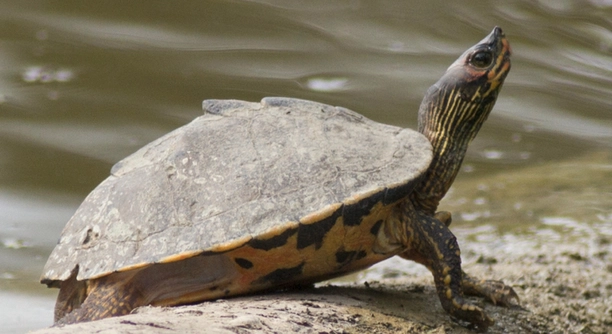
When caring for an Indian Roofed Tortoise, ensuring it has the proper living space is essential for its well-being. A comfortable, spacious enclosure promotes healthy growth and behavior. If you’re unsure about its current space, this guide will help.
If your tortoise is outgrowing its enclosure, there are key signs to look for. A proper enclosure allows your tortoise to move around comfortably, eat, and explore. When it no longer fits, it can lead to stress, health issues, and a lack of proper development.
These signs will help you assess whether your tortoise’s enclosure is too small. Knowing when to upgrade its living space ensures a happier, healthier pet.
Limited Movement in the Enclosure
If your Indian Roofed Tortoise struggles to move around comfortably, it’s a clear sign its space is too small. These turtles need enough room to roam, explore, and exercise. In a cramped enclosure, they may start to feel stressed or restless. As a result, you might notice your tortoise staying in one place for long periods, or it may begin pacing along the walls of the enclosure. This lack of movement is not just uncomfortable for your tortoise, but it can also lead to physical problems, like weakened muscles and joint stiffness.
A proper enclosure should provide enough space for your tortoise to move freely. When they feel confined, their natural behaviors like walking and digging can become limited. This not only impacts their physical health but their overall happiness as well.
If you see these signs, it’s time to think about upgrading your tortoise’s living area. Giving them enough space will improve their health and well-being significantly, helping them live a more active and fulfilling life.
Insufficient Hiding Spots
Tortoises are naturally shy creatures. They need spots to hide and feel safe when they want to relax or rest. If the enclosure is too small, these areas may be limited, causing stress. Without enough places to retreat, your tortoise might feel constantly exposed and anxious, which can impact its behavior and health.
An adequate enclosure will offer multiple hiding spots, such as small caves, shelters, or even just shaded areas. This gives the tortoise a chance to retreat and recharge, ensuring a stress-free environment. The more comfortable the enclosure feels, the more relaxed your tortoise will be. If you notice your pet becoming more irritable or staying in one place all the time, it could be a sign they need more space to feel secure.
By creating an environment with enough hiding spots, your tortoise can enjoy both privacy and freedom to explore. The right balance will help them thrive.
Limited Space for Proper Heating and Lighting
If there’s not enough room for proper heating or lighting, your tortoise’s health will be at risk. They need access to both warmth and light to regulate their body temperature. A cramped enclosure can prevent these elements from being distributed evenly, causing your tortoise to become stressed or sick.
Without enough space, the heat source might be too close to one part of the enclosure, while other areas are too cold. This uneven distribution affects your tortoise’s ability to warm up or cool down as needed. Inadequate lighting can also prevent them from getting the necessary UVB rays, which are essential for their shell and overall health.
Ensure the enclosure is large enough to properly position heat lamps and UVB lights. The heat should be concentrated in one area, while the cooler side of the enclosure provides a space for your tortoise to escape the heat. The ability to move between these areas helps them stay healthy and active.
Lack of Room for Substrate
Substrate plays a big role in a tortoise’s natural behaviors, like digging or burrowing. If there’s not enough space for a proper substrate layer, it can negatively impact your tortoise. A thin layer may not provide the proper conditions for these activities, limiting their ability to express natural behaviors.
The substrate should also be deep enough for your tortoise to dig and explore, simulating a more natural environment. Without enough room for substrate, your tortoise may feel restricted, which could lead to stress and poor health. It’s important to create a comfortable environment where the substrate is not only deep enough but also safe and easy for them to interact with.
A spacious enclosure allows you to provide the right kind of substrate for your tortoise to engage with. This ensures they can dig, burrow, and behave in a way that aligns with their natural instincts. It’s essential for their well-being.
Aggressive or Restless Behavior
When a tortoise feels cramped, it might start showing signs of aggression or restlessness. This can include chasing its own reflection, biting, or becoming more defensive. If this happens, it’s likely due to limited space, making your tortoise feel trapped or stressed.
Aggressive behavior can also extend to interactions with other tortoises or pets. Without enough space, your tortoise may become territorial and act out. Stress from overcrowding can also cause a lack of appetite or unusual movements. Pay close attention to these signs as they may indicate your tortoise needs a larger enclosure.
Difficulty in Finding Food and Water
A small enclosure can make it hard for your tortoise to find its food and water easily. When space is limited, food bowls might be too close to their waste area or water might be difficult to access.
In a larger space, it’s easier to separate food and water from other elements, ensuring your tortoise has what it needs when it needs it. A proper setup also allows them to roam around and forage, encouraging more natural feeding habits and better overall health.
FAQ
How big should my Indian Roofed Tortoise’s enclosure be?
The minimum recommended size for an adult Indian Roofed Tortoise is 4×2 feet, but the larger the better. For hatchlings or young tortoises, a smaller space will work, but as they grow, the enclosure needs to increase in size. Having enough room for them to roam and move freely will prevent stress and health issues. A spacious area also helps with temperature regulation, making it easier to maintain proper heat gradients and lighting.
Can my tortoise live outside instead of in an enclosure?
Yes, your tortoise can live outside as long as the environment is safe and suitable. However, this depends on your local climate. If it’s warm enough year-round and you can provide a secure outdoor area, it can be beneficial. Make sure the enclosure has proper fencing to keep your tortoise safe from predators. The outdoor space should also provide plenty of hiding spots, a safe place to bask in the sun, and a shady area for when they need to cool off.
What type of substrate should I use for my tortoise’s enclosure?
The best substrate for an Indian Roofed Tortoise is one that mimics their natural environment. Options like coconut coir, organic topsoil, and peat moss work well. The substrate should be deep enough to allow for digging and burrowing, as these are natural behaviors for your tortoise. Avoid substrates like sand or cedar chips, as they can be harmful. A mix of moisture-retaining and dry materials can also help with humidity control and promote healthy behavior.
How often should I clean my tortoise’s enclosure?
You should spot clean the enclosure every day, removing waste, uneaten food, and any soiled substrate. A full cleaning should be done at least once a month. During a full cleaning, change out the substrate, wipe down surfaces, and disinfect any accessories like bowls and rocks. Make sure to rinse everything thoroughly after using cleaning products to avoid any harmful residues.
Do I need to provide both heat and UVB light for my tortoise?
Yes, your tortoise needs both heat and UVB light to thrive. UVB light is crucial for calcium absorption and shell health. Without UVB, your tortoise can develop metabolic bone disease. Heat is also important to maintain a proper temperature gradient, allowing your tortoise to regulate its body temperature. A heat lamp should provide warmth in one section of the enclosure, and UVB lighting should be on for 10-12 hours daily, simulating natural sunlight.
How do I know if my tortoise is stressed?
Signs of stress in a tortoise can include lack of appetite, excessive hiding, pacing, aggression, or not moving around much. A stressed tortoise may also become more aggressive toward its environment or any other pets in its enclosure. If you notice these behaviors, it’s important to check if their enclosure is too small or if there are any environmental issues, such as improper lighting, temperature, or humidity.
Can I keep more than one tortoise in the same enclosure?
It is generally not recommended to keep multiple male tortoises in the same enclosure, as they can become territorial and fight. Females may be more tolerant of one another, but still require plenty of space. If you plan to house multiple tortoises together, make sure the enclosure is large enough to provide separate areas for each tortoise to feel safe and have their own space. Always monitor their interactions closely for signs of aggression or stress.
What should I do if my tortoise isn’t eating?
If your tortoise refuses to eat, the first thing to check is its environment. Ensure the temperature, humidity, and lighting are all set correctly. Stress from a too-small enclosure, improper habitat conditions, or even illness can cause a lack of appetite. If environmental conditions are fine, and your tortoise continues to refuse food, it might be time to consult a veterinarian to rule out any underlying health issues.
How can I make my tortoise’s enclosure more enriching?
To enrich your tortoise’s environment, provide various hiding spots, rocks for climbing, and different textures for exploring. You can add shallow water dishes for soaking, and give them areas to dig. Including safe plants that they can nibble on will encourage natural foraging behavior. Changing up the layout from time to time can also keep things interesting and provide mental stimulation. Avoid over-cluttering the space, as it should still allow for movement and easy access to food and water.
Can I use sand in my tortoise’s enclosure?
It’s best to avoid using sand as the primary substrate in an Indian Roofed Tortoise’s enclosure. While sand may seem like a natural option, it can cause problems like impaction if your tortoise ingests it while feeding or burrowing. If you want to use sand, mix it with other safe substrates to prevent ingestion, but it should not be the primary material. Make sure it’s soft and not too fine to minimize any potential risks.
In summary, providing your Indian Roofed Tortoise with a spacious and comfortable enclosure is crucial for its health and happiness. A tortoise that has enough room to move, explore, and express its natural behaviors is more likely to thrive. When an enclosure becomes too small, it can lead to stress, health issues, and poor development. It’s important to regularly assess the size and quality of the enclosure to ensure it meets your tortoise’s needs as it grows.
Aside from size, proper heating, lighting, and hiding spots are essential for creating a suitable habitat. Your tortoise needs access to UVB lighting for calcium absorption and a heat source to regulate its body temperature. Without these elements, your tortoise can suffer from metabolic bone disease or become lethargic. Offering areas where your tortoise can retreat and feel safe also helps reduce stress and provides a sense of security. Regularly cleaning the enclosure and changing the substrate will keep the environment fresh and safe.
Taking the time to make sure your tortoise’s home is appropriately sized and equipped will improve its quality of life. It may take some extra effort to adjust the enclosure as your tortoise grows, but it’s worth it in the long run. A well-maintained, spacious environment will support your tortoise’s physical health, mental well-being, and natural behaviors. Ultimately, when you create the right space, your tortoise will feel more comfortable and active, leading to a happier life.

Hello,
If you enjoy the content that we create, please consider saying a "Thank You!" by leaving a tip.
Every little bit helps us continue crafting quality advice that supports the health, happiness, and well-being of pets around the world, for pets of all shapes, sizes, and species.
We really appreciate the kindness and support that you show us!