
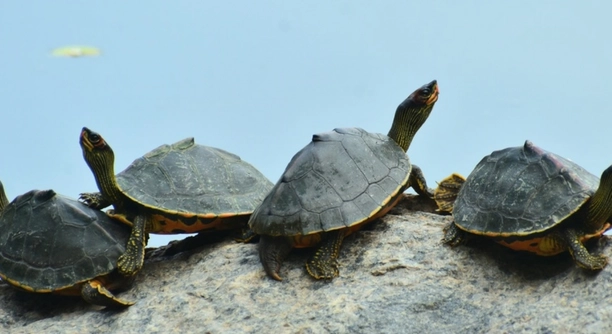
Indian roofed tortoises are fascinating creatures, often found basking in their environments and exploring their surroundings. As a pet owner, you may notice your tortoise rubbing against rocks and wonder what might be causing this behavior.
The rubbing behavior is often a natural activity for Indian roofed tortoises. It may serve purposes like shedding excess skin, maintaining their shell, or even expressing curiosity about their surroundings. It’s usually harmless and part of their instinctual behaviors.
Understanding why your tortoise engages in this behavior can help you better care for it. Keep reading to discover more about this natural habit and how it affects their health.
Natural Behavior and Exploration
Indian roofed tortoises are naturally curious creatures. In the wild, they often rub against rocks and surfaces as part of their exploration. This behavior helps them gather information about their environment, especially as they move across rough terrains. The rocks act as both physical markers and potential sources of stimuli, helping the tortoises assess their surroundings. Rubbing against them can also assist in shedding old skin or keeping their shells clean.
While this action might seem odd at first, it’s perfectly normal. Tortoises use their sense of touch to understand their environment, and rocks offer a textured surface that stimulates their senses. This behavior is especially common during their active periods when they roam and search for food.
If you notice your tortoise rubbing more frequently, it’s likely a sign of a healthy and active animal. There’s no need for concern, but keeping an eye on the behavior ensures they are not overexerting themselves or developing any other health issues.
Shell Maintenance and Skin Shedding
Shell maintenance is another reason your tortoise may rub against rocks. As they grow, their shells naturally shed layers. The rough texture of rocks can assist in this process by helping remove dead skin or excess buildup. This is especially true during shedding seasons.
Rubbing against rocks can help keep their shell free from debris and bacteria, preventing potential infections. It’s important to ensure that the rocks are not too abrasive, as overly rough surfaces can harm their shells or skin. In such cases, providing smooth surfaces for rubbing is a good alternative to prevent injury.
Environmental Enrichment
Rubbing against rocks can also be a sign that your tortoise is seeking environmental enrichment. These animals naturally explore their surroundings, and rocks offer them a form of mental stimulation. Providing such objects in their habitat encourages healthy exploration. It’s a way for them to stay active and engaged with their environment.
To support your tortoise’s need for enrichment, you can add a variety of objects like rocks, logs, or plants. These objects mimic the natural environment and allow your tortoise to engage in more than just basic movements. They can explore and interact with these elements, which promotes their physical and mental health.
If your tortoise seems especially interested in rubbing or exploring new surfaces, it’s a good sign that it’s mentally stimulated. Ensuring their habitat is enriched can improve their overall well-being. Rotate objects in their enclosure to keep things fresh and interesting, helping to maintain their activity levels.
Possible Health Concerns
While rubbing against rocks is mostly normal, it could also signal underlying health concerns. If the rubbing seems excessive or persistent, it might indicate discomfort. For example, it could be a sign of skin irritation or a shell issue, such as mites or fungal infections. These problems can lead to behaviors like rubbing to alleviate irritation.
If you notice other unusual symptoms, such as swollen areas on the shell or a change in behavior, it’s worth consulting a vet. Sometimes, rubbing is just part of their natural process, but it’s always good to rule out any medical issues. Keeping an eye on their behavior and appearance will help catch any health concerns early, ensuring your tortoise remains happy and healthy.
Excessive Rubbing and Stress
If your tortoise is rubbing excessively, it could be a sign of stress. Stress can come from changes in their environment, like loud noises or a shift in habitat. It might also happen if the tortoise feels threatened or uncomfortable in its space.
Ensuring that the environment is stable and calm will help prevent this behavior. Tortoises thrive in quiet spaces with minimal disturbances. If there’s a lot of noise or frequent movement in the room, your tortoise might feel stressed. Consider providing more hiding spots or a quieter space to alleviate stress.
Diet and Shell Health
A poor diet could affect your tortoise’s shell health, which may lead to more rubbing against surfaces. If your tortoise is lacking essential nutrients, it might try to rub or scratch its shell to relieve discomfort. A balanced diet of fresh greens, fruits, and fortified foods is essential.
It’s also important to provide calcium-rich food for proper shell growth and maintenance. A lack of calcium can lead to soft shells or other issues, which might cause your tortoise to rub against rocks or rough surfaces for relief. Ensure your tortoise gets a well-rounded diet and regular calcium supplements.
Temperature Regulation
Rubbing against rocks may also be related to temperature regulation. Tortoises often rub their bodies against surfaces to help them regulate body temperature. Rocks absorb heat from the sun and release it, providing a perfect spot for your tortoise to warm up or cool down.
When creating your tortoise’s habitat, make sure there’s a proper balance of warmth and cool areas. A basking spot with a heat source is vital, but so is a shaded area where they can escape if they get too warm. This helps keep them comfortable and healthy.
FAQ
Why is my Indian roofed tortoise rubbing against the walls of its enclosure?
Rubbing against the walls of the enclosure is often a way for your tortoise to explore its environment. Tortoises are naturally curious and use their sense of touch to investigate surfaces. The walls may also be a texture they enjoy rubbing against, or it could be a way for them to keep their skin or shell clean. As long as the behavior isn’t excessive or causing injury, it’s typically harmless.
Is rubbing against rocks a sign of my tortoise being unwell?
Rubbing against rocks alone isn’t usually a sign of illness. Tortoises often rub their bodies against rough surfaces to shed skin or keep their shells healthy. However, if the rubbing becomes constant or if you notice other symptoms like swelling, a change in appetite, or lethargy, it could indicate a health issue. In that case, it’s best to consult a vet.
How can I tell if my tortoise’s shell is in good condition?
To check your tortoise’s shell, gently feel for any soft spots or abnormalities. A healthy shell should be hard and smooth without any visible cracks or soft areas. Look for signs of discoloration, swelling, or any abnormal growths. If you notice anything concerning, it’s important to get your tortoise checked by a vet.
What can I do if my tortoise seems stressed from rubbing against surfaces?
If stress seems to be the cause, try to identify any environmental changes or disruptions. Tortoises need a calm, quiet environment. Ensure their enclosure has plenty of hiding spots and adequate space. Also, make sure they’re not being disturbed by loud noises or other pets. Offering a more stable, peaceful habitat can help reduce stress-related behaviors.
Is rubbing a sign that my tortoise isn’t getting enough stimulation?
Yes, rubbing against surfaces could be an indication that your tortoise is bored or seeking stimulation. Tortoises are intelligent and need mental enrichment to stay healthy. Providing different objects in their enclosure, like rocks, logs, or plants, can help engage them. Changing things around occasionally will keep their environment fresh and encourage natural behaviors.
Can excessive rubbing cause harm to my tortoise’s skin or shell?
While occasional rubbing is fine, excessive rubbing can potentially cause irritation to the skin or harm the shell if the surfaces are too rough. Always ensure the rocks or objects in your tortoise’s environment are smooth enough to prevent injury. If you notice any skin damage or shell problems, replace abrasive surfaces with smoother ones.
Should I be worried if my tortoise rubs its face or neck against rocks?
Rubbing the face or neck against rocks is generally normal and can be a form of self-care. Tortoises may rub their faces to remove debris or clean their skin. However, if you notice that the rubbing is frequent or causing irritation, it could suggest a skin issue or an allergy. Check their skin for any signs of redness or swelling.
How often should I provide new objects for my tortoise to rub against?
It’s important to offer a variety of objects in your tortoise’s enclosure to encourage natural exploration. You don’t have to change the objects constantly, but rotating them every few weeks can keep things interesting for your tortoise. Rocks, logs, and plants should be placed in different positions to provide new surfaces for rubbing and exploration.
Can my tortoise rub too much?
While rubbing is generally harmless, excessive rubbing could indicate that your tortoise is experiencing discomfort or irritation. If you notice this behavior becoming more frequent, it’s a good idea to check for any underlying health problems, such as shell issues, parasites, or skin infections. If the rubbing is persistent or causes damage, consult a veterinarian for advice.
What temperature should I maintain for my tortoise to avoid excessive rubbing?
Tortoises require a proper temperature gradient in their enclosure to regulate their body temperature. Ensure there is a warm basking spot (around 85-95°F) and a cooler area (70-75°F) for them to retreat to if needed. If the temperature is not within the ideal range, your tortoise might rub against surfaces more frequently to try and regulate its body heat.
Final Thoughts
Understanding why your Indian roofed tortoise rubs against rocks or other surfaces is important in ensuring its well-being. It’s a behavior that can be perfectly normal and is often linked to the natural activities of exploring, shedding, or maintaining the shell. While this behavior is typically harmless, it can sometimes indicate other factors like stress, boredom, or even health concerns. By observing your tortoise closely, you can get a better sense of whether the rubbing is part of its routine or if there’s something that needs your attention.
If the rubbing appears excessive or is causing irritation to the tortoise’s skin or shell, it’s worth examining the environment and the objects your tortoise is coming into contact with. Rough or sharp surfaces can harm your tortoise, so providing smooth rocks or different objects for exploration is a safer option. Additionally, if the behavior seems to stem from stress, you can try to create a more peaceful environment by reducing disturbances and adding more hiding spots or enrichment items. A calm and stable environment helps your tortoise feel secure and reduces unnecessary behaviors like excessive rubbing.
In cases where the rubbing persists or is accompanied by other signs of discomfort, it’s essential to consult a veterinarian. A vet can help rule out any underlying health problems, such as skin infections, parasites, or shell issues. Regular check-ups and a balanced diet are crucial for maintaining your tortoise’s health and ensuring that its behaviors stay within a healthy range. By being attentive to your tortoise’s needs and providing a safe, enriched environment, you can support its natural behaviors while preventing potential issues.

Hello,
If you enjoy the content that we create, please consider saying a "Thank You!" by leaving a tip.
Every little bit helps us continue crafting quality advice that supports the health, happiness, and well-being of pets around the world, for pets of all shapes, sizes, and species.
We really appreciate the kindness and support that you show us!