
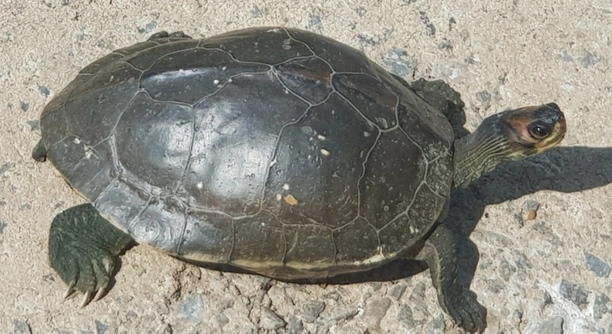
Many pet owners love to bond with their tortoises, but some face challenges when their Indian Roofed Tortoise doesn’t respond to its name. If you’re concerned, understanding the reasons behind this behavior can help you improve communication with your pet.
Indian Roofed Tortoises, like many reptiles, do not respond to their names in the way mammals do. This is primarily due to their less-developed sense of hearing and different cognitive abilities. They rely on environmental cues instead of vocal recognition.
Understanding these factors can help set realistic expectations and improve your interactions with your tortoise. By exploring the reasons behind this behavior, you can create a more engaging and positive experience with your pet.
Why Your Tortoise May Not Respond to Its Name
It’s common for owners to expect their pets to respond to their names, especially when they see other animals doing so. However, tortoises aren’t naturally inclined to recognize names the way dogs or cats do. Unlike mammals, they don’t have the same level of hearing or cognitive ability to connect a sound with a specific action or individual. Indian Roofed Tortoises are more in tune with their environment than with vocal cues. They rely on sight, smell, and their surroundings to guide their actions rather than the sound of their owner’s voice. Understanding this natural behavior can help manage your expectations and allow you to bond with your pet in other ways.
Tortoises might show more recognition of their surroundings and routine than of their names. Their behavior is driven by instinct and environmental triggers rather than a desire for interaction through sound.
Patience is key when trying to bond with your tortoise. They are not the type of pet that seeks constant attention or responds to human interaction in the same way as dogs or cats. Instead, focus on providing a safe, comfortable habitat and a consistent routine. Over time, your tortoise may start recognizing you through your scent, appearance, or even your movements, but don’t expect a vocal response. Regular feeding times, familiar sounds, and consistent handling can build trust. The more consistent you are in your actions, the more your tortoise will come to associate you with positive experiences, even if it doesn’t “respond” to its name.
How to Build a Stronger Bond
Your tortoise can learn to recognize you, just not through its name.
Tortoises have a strong sense of smell and vision, both of which can be used to strengthen your connection. By spending time near their enclosure and talking softly, your tortoise will eventually begin to associate your presence with calm and comfort. Moving slowly and gently when interacting with them can further minimize stress. Routine is also important for reptiles. By sticking to a regular feeding and cleaning schedule, your tortoise will start to anticipate certain actions and begin recognizing the patterns you create. Understanding the natural instincts of your pet, such as its need for solitude or quiet, can also help you know when to give it space. Don’t rush the process—allow your tortoise to come to you on its own terms. While it might not respond to its name, it will learn to trust you through your consistent care and gentle presence.
The Role of Environment and Routine
Your tortoise’s environment plays a big part in how it behaves. If it’s stressed or uncomfortable, it may be less likely to interact with you. Ensure your tortoise has a clean, quiet, and secure space to feel safe. The more it feels at ease in its surroundings, the better it will be at responding to other factors, like you.
Creating a stable routine will also help. Tortoises are creatures of habit, and they thrive when their habitat and daily activities are predictable. Feeding your tortoise at the same time each day and ensuring it has a consistent temperature and lighting schedule can make your pet feel secure. The predictability will allow it to focus more on its surroundings and less on stress, making it more likely to recognize and trust you.
If your tortoise’s routine is interrupted or if its habitat is too chaotic, it may become more withdrawn. Reptiles, in particular, need consistency to thrive. By respecting these needs, you can help your tortoise feel more comfortable in its space and less anxious around you. While it won’t respond to its name, it will recognize the patterns and your presence over time.
Communication Through Visual and Scent Cues
Your tortoise is more likely to respond to visual and scent cues rather than sound. When you interact with it, try focusing on maintaining eye contact or gently waving your hand near its line of sight. This can encourage curiosity without overwhelming the animal.
The scent of your skin and your movements around the enclosure will start to be linked to feeding or other positive interactions. Over time, your tortoise may show signs of recognizing your presence even without responding to its name. It’s important to remain consistent in how you approach the tortoise and how you handle it. Slow, calm movements are essential, as sudden changes in behavior can create stress and make it harder for your tortoise to engage with you.
The Limitations of Tortoise Hearing
Tortoises have a much less developed sense of hearing than mammals. Their ear structures are not designed for the same level of auditory sensitivity, making it difficult for them to recognize sounds like a human name. They rely on environmental cues to navigate their world.
Their hearing ability is limited to lower frequencies, and they are more attuned to vibrations and physical sounds rather than distinct verbal cues. This is why even the most well-trained tortoises may not respond to their name or other vocal commands. The key to bonding with your tortoise is understanding its natural limitations.
How Tortoises Learn and Recognize Their Owners
While tortoises do not recognize their names, they can learn to associate certain actions with specific individuals. Through repeated exposure to their owners, they begin to recognize visual and scent cues. This process allows them to trust and become more familiar with you over time.
Tortoises respond more to consistency in behavior. When owners maintain a steady routine, such as regular feeding times and consistent handling, their tortoises start to recognize them as a source of comfort. Slow, predictable movements during interactions can help build this bond.
Reptile Behavior and Bonding
Reptiles, including tortoises, do not form bonds the same way mammals do. They aren’t as social and usually don’t seek out attention from their owners. Their instincts drive them to focus on survival rather than companionship, so patience is key in building trust.
FAQ
Why doesn’t my tortoise respond to its name?
Tortoises, like many reptiles, don’t have the cognitive ability to recognize human names. Their hearing is not as developed as that of mammals, and they do not process sounds in the same way. They rely more on visual and scent cues for recognition. So, while your tortoise may not respond to its name, it will begin to associate you with certain actions, like feeding and care routines, if done consistently.
Can I train my tortoise to recognize its name?
Training a tortoise to respond to its name is highly unlikely. Unlike dogs, tortoises are not naturally inclined to connect sounds with actions. However, you can train your tortoise to recognize other cues, like the sound of a feeding bowl or the appearance of food. Repetitive actions, such as associating your approach with feeding, may help your tortoise become familiar with your presence.
How can I bond with my tortoise if it doesn’t respond to its name?
You can bond with your tortoise by being consistent in your care and routine. While it won’t recognize its name, it will get used to your scent, movements, and the sounds you make during feeding or other activities. Spending time near the enclosure and moving calmly helps your tortoise feel more comfortable around you. It’s important to handle it gently, allowing it to come to you at its own pace.
Do tortoises form bonds with their owners?
Tortoises do not form bonds in the same way that dogs or cats do, as they are solitary animals. However, they can become familiar with their owners through consistent interaction. They may learn to associate you with positive experiences like feeding or a clean environment. This process, though slow, helps build a sense of trust over time.
How can I tell if my tortoise recognizes me?
While a tortoise may not respond to its name, you can observe its behavior to see if it recognizes you. A tortoise may follow you with its eyes or approach when you open its enclosure if it associates you with food or care. Additionally, a relaxed posture or calm behavior when you’re nearby may indicate that your tortoise feels comfortable with you.
Should I try to get my tortoise to respond to its name?
It’s not necessary to get your tortoise to respond to its name, as this is not a natural behavior for them. Instead, focus on creating a stable, predictable environment where your tortoise feels safe and cared for. This will help you develop a stronger bond with your pet over time, even without a name recognition.
How do I make my tortoise feel comfortable with me?
To make your tortoise feel comfortable, handle it gently and avoid sudden movements that could cause stress. Allow your tortoise to explore its environment at its own pace and avoid forcing interaction. Regular feeding and maintaining a clean habitat will also contribute to a sense of safety and familiarity.
Can my tortoise get stressed if I try to interact too much?
Yes, tortoises can get stressed if they are handled too much or too roughly. They are not social animals and need time alone to feel secure. Over-interaction, especially if they are not used to it, can cause stress that may lead to changes in behavior or even health issues. Be sure to respect their need for solitude and only interact when necessary.
What are some signs that my tortoise is comfortable around me?
Signs that your tortoise is comfortable around you include a calm posture, a lack of defensive behavior (like withdrawing into its shell), and curiosity. If your tortoise is willing to approach you or stay relaxed when you are near, it is a good sign that it feels safe and trusts you.
How do I improve my tortoise’s trust in me?
Building trust with your tortoise takes patience. Start by providing consistent care, including regular feeding and ensuring its habitat is safe and clean. Avoid sudden movements or loud noises that could cause stress. Spending quiet time near the tortoise without forcing interaction can also help build a sense of security over time.
Final Thoughts
It’s important to remember that tortoises, like other reptiles, have different ways of interacting with their environment compared to mammals. They are not as socially inclined as pets like dogs or cats, which means they won’t respond to human names or seek out affection in the same way. Their behavior is driven more by instinct and environmental cues, so they won’t form emotional bonds through vocal recognition. Understanding these differences can help manage expectations and ensure that your interactions with your tortoise are positive.
While it may be disappointing that your tortoise doesn’t respond to its name, it’s essential to focus on other ways to build trust and connection. Tortoises can become familiar with their owners through regular care and predictable routines. For instance, consistent feeding times, gentle handling, and maintaining a stable environment can help your tortoise feel more comfortable and secure. Over time, it may even begin to recognize you based on your scent, appearance, or routine actions, even if it doesn’t acknowledge you by name.
Patience is key when caring for a tortoise. They are not the kind of pets that will seek constant attention or show affection in traditional ways. However, they can still develop a level of trust and comfort with their owners. By respecting their natural behaviors and needs, you can create a bond that’s based on consistency and care. It may not be the same as the deep emotional connections you might experience with other pets, but it’s still a meaningful relationship.

Hello,
If you enjoy the content that we create, please consider saying a "Thank You!" by leaving a tip.
Every little bit helps us continue crafting quality advice that supports the health, happiness, and well-being of pets around the world, for pets of all shapes, sizes, and species.
We really appreciate the kindness and support that you show us!