
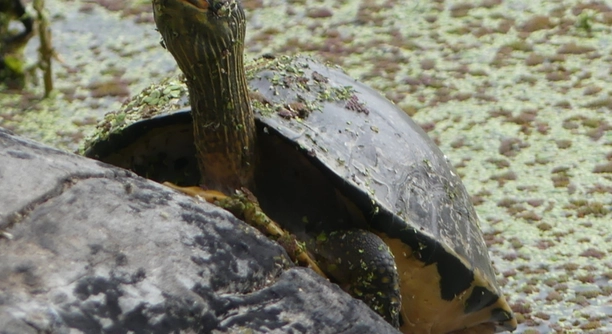
Creating a healthy and comfortable habitat for your Indian Roofed Tortoise is essential for their well-being. The right tank decorations can enhance their environment, providing enrichment and natural elements that mimic their native surroundings.
The best tank decorations for an Indian Roofed Tortoise habitat include items like smooth rocks, hiding spots, and shallow water dishes. These features help to replicate their natural environment, encouraging healthy behaviors and promoting overall well-being.
Adding the right decorations can transform your tortoise’s tank into a more stimulating and comfortable space. Keep reading to learn how to create the perfect habitat for your shelled friend.
Importance of Providing Hiding Spots for Your Indian Roofed Tortoise
Indian Roofed Tortoises are naturally shy and seek shelter when they feel threatened. Providing a hiding spot in their tank helps them feel secure and reduces stress. This can be as simple as a small cave, a hollow log, or a rock formation. These hiding spots allow them to retreat when they need to rest or avoid stimulation.
A hiding spot can also mimic the tortoise’s natural behavior of seeking out dark, quiet places. It’s important to place the shelter in a spot where the tortoise feels comfortable. This helps your tortoise feel safe and more likely to explore other areas of the tank.
Hiding spots can also contribute to the tortoise’s mental well-being. When they have a space to retreat to, they are less likely to become anxious or display signs of stress. Make sure the hiding spot is easy to access and positioned in a quiet area of the tank. Adding multiple options can further improve the environment, as your tortoise can choose different places depending on the situation. Keep in mind that the hide should also be well-ventilated to prevent humidity buildup.
Shallow Water Dish for Drinking and Soaking
Water is a critical element in the tortoise’s habitat. Providing a shallow water dish allows your tortoise to drink and soak, maintaining hydration and aiding in proper digestion.
Shallow water dishes are ideal because they allow easy access while preventing the tortoise from accidentally falling in. It’s essential to clean the water regularly to avoid any harmful bacteria growth. Keeping a clean water source is just as important as providing one.
Natural Rocks and Branches
Rocks and branches can provide a more natural and stimulating environment for your tortoise. They create opportunities for climbing and exploring. Adding a few sturdy rocks or branches that are safe for climbing can help simulate the tortoise’s natural habitat.
Rocks can be placed around the tank to encourage your tortoise to move and exercise. Make sure they are smooth and free of sharp edges to avoid injury. A branch can serve as both a climbing structure and a place to bask in the warmth of the tank’s light source. It’s important to place these items securely, as your tortoise may attempt to climb or explore them frequently.
Adding natural rocks and branches also creates more visual variety within the tank. The changes in terrain and texture can make the environment feel more dynamic, which can be beneficial for the tortoise’s mental health. They will appreciate the different textures and the challenge of navigating around these features.
Proper Substrate for Comfort and Digging
Choosing the right substrate is important for your tortoise’s comfort and natural behaviors. Natural substrates like coconut coir, organic soil, or a mix of sand and soil allow your tortoise to dig and burrow, mimicking behaviors seen in the wild.
A proper substrate supports your tortoise’s instinct to dig, which is essential for mental stimulation. It also provides a comfortable area for them to rest and move around freely. Be sure the substrate is deep enough for digging, ideally around 3-4 inches. Regularly check for cleanliness, as old food, waste, and wetness can cause bacteria build-up.
When choosing a substrate, make sure it is safe for your tortoise. Avoid any substances that may be harmful if ingested, like cedar chips, as they can be toxic. Additionally, it’s a good idea to keep the substrate clean by removing waste daily and spot-cleaning the area. This will help maintain a healthy, comfortable habitat for your tortoise.
UVB Lighting for Health
UVB lighting is essential for the health of your Indian Roofed Tortoise. This light helps them produce Vitamin D3, which is necessary for calcium absorption. It’s important to choose a UVB light designed for reptiles and position it properly to ensure adequate exposure.
Place the UVB light above the basking area, ensuring it’s within the recommended distance specified by the manufacturer. This helps your tortoise get the right amount of UVB without causing harm. Be sure to replace the bulb as recommended, as UVB output decreases over time, even if the light still works.
Basking Spot for Temperature Regulation
A basking spot allows your tortoise to regulate its body temperature. This is crucial for digestion and overall well-being. The basking area should be set up with a heat lamp to provide warmth.
Ensure the basking spot reaches a temperature of about 90°F to 95°F. This will give your tortoise the ability to warm up as needed. The temperature gradient in the tank should allow your tortoise to move between cooler and warmer areas.
FAQ
How often should I clean my Indian Roofed Tortoise’s tank?
You should clean the tank regularly to maintain a healthy environment. Spot clean daily by removing waste and uneaten food. Once a week, remove and replace the substrate and clean the entire tank. For deeper cleanings, wash all decorations, water dishes, and hiding spots.
Cleaning helps prevent bacteria buildup and keeps your tortoise’s habitat fresh. Ensure that the water dish is cleaned frequently to avoid contamination. The more you maintain a clean environment, the healthier your tortoise will be, reducing the risk of illness.
What temperature should the tank be for my tortoise?
Your Indian Roofed Tortoise needs a temperature gradient in its tank. The basking spot should be between 90°F and 95°F, and the cooler end should be around 75°F to 80°F. This range allows your tortoise to regulate its body temperature, ensuring proper digestion and health.
The tank should also have a nighttime drop, ideally around 70°F. If the temperature fluctuates too much, your tortoise may experience stress, which can affect its health. Consistent temperatures are key for a comfortable environment.
Can I use any type of light bulb for my tortoise’s tank?
No, not all light bulbs are suitable for your tortoise. You need a specific UVB light designed for reptiles, which helps your tortoise produce Vitamin D3. This is essential for calcium absorption, which is necessary for shell and bone health.
In addition to UVB light, you will need a heat lamp for basking. Use bulbs that provide the correct wattage for your tank size, and make sure the basking area is warm enough to support your tortoise’s temperature regulation. Always follow the manufacturer’s guidelines for the right light setup.
What kind of substrate is best for my tortoise?
Natural substrates like coconut coir, organic soil, or a sand-soil mix are ideal for your tortoise. These materials allow your tortoise to dig, which is a natural behavior. It also helps create a more natural environment, benefiting their mental and physical health.
Avoid using synthetic materials like gravel, as they can be hard on your tortoise’s feet and may cause injury. Ensure that the substrate is deep enough (about 3-4 inches) for your tortoise to dig in and stay comfortable. Make sure it is dry and not too dusty to avoid respiratory issues.
Can I feed my Indian Roofed Tortoise vegetables from my garden?
Yes, you can feed your tortoise many vegetables from your garden, but it’s important to avoid certain plants. Always research the safety of plants before offering them, as some garden plants can be toxic to tortoises. Safe vegetables include dandelions, collard greens, and kale.
Avoid feeding your tortoise vegetables that are high in oxalates, like spinach, as they can bind calcium and prevent absorption. Variety is key, and always wash vegetables thoroughly to remove pesticides and chemicals before feeding. It’s also good to offer some flowers like hibiscus, as they are safe and nutritious.
Do I need to provide a water source for my tortoise?
Yes, your tortoise needs access to water at all times. A shallow water dish is essential for drinking and soaking, which helps with hydration and digestion. Make sure the water dish is easy for your tortoise to access and large enough for them to soak in if they want to.
Clean the water dish regularly to prevent bacteria growth. Refill it daily with fresh water to ensure that your tortoise has clean hydration available. The water should be shallow enough to avoid drowning but large enough for your tortoise to comfortably drink and soak.
How much space does my Indian Roofed Tortoise need in its tank?
The tank should be large enough to allow your tortoise to move around freely. A 40-gallon tank is the minimum size for an adult Indian Roofed Tortoise, but a larger tank is always better. Aim for a tank that allows for plenty of space to roam, bask, and explore.
In addition to the floor space, the tank should have adequate height for climbing structures and basking areas. If you are keeping multiple tortoises, make sure they have enough space to prevent territorial issues and reduce stress. A larger tank also allows you to create a more dynamic and enriched environment.
Can I keep multiple Indian Roofed Tortoises together?
It’s possible to keep multiple Indian Roofed Tortoises together, but it depends on their personalities. Some tortoises tolerate each other, while others may become territorial. If you plan to house multiple tortoises, provide plenty of space, hiding spots, and separate basking areas.
Monitor their behavior closely. If any signs of aggression occur, such as biting or chasing, separate the tortoises to avoid injury. You should also keep a close eye on their eating habits to ensure that all tortoises are getting enough food without competition.
How long does an Indian Roofed Tortoise live?
Indian Roofed Tortoises can live for several decades, with an average lifespan of 50-60 years in captivity, given proper care. Some have been known to live even longer. Their lifespan depends on factors like diet, habitat, and general health care.
Providing a comfortable and enriched environment will help your tortoise live a long, healthy life. Regular veterinary check-ups and a proper diet are essential to ensuring they stay healthy throughout their long lives.
What should I do if my tortoise is not eating?
If your tortoise is not eating, it could be due to a variety of reasons, such as temperature fluctuations, stress, or an improper diet. Check that the temperature in the tank is within the proper range, and ensure they have a variety of fresh food available.
If the problem persists, a visit to the veterinarian is recommended. A lack of appetite can sometimes signal a health issue, such as parasites or digestive problems. It’s important to address this early to avoid further complications.
Final Thoughts
Creating an enriched habitat for your Indian Roofed Tortoise is essential for their overall health and well-being. By carefully selecting tank decorations and setting up the right environment, you can ensure your tortoise thrives in a comfortable and safe space. It’s important to provide a variety of elements, such as hiding spots, natural rocks, and shallow water dishes, to mimic their natural surroundings. A well-maintained habitat not only helps with their physical health but also supports their mental stimulation. When your tortoise has a suitable environment, it can reduce stress and promote natural behaviors, which is vital for their long-term happiness.
While designing the tank, you should also prioritize their basic needs. Temperature control, proper UVB lighting, and a suitable substrate are crucial for a healthy tortoise. The basking area should offer the right warmth, and the substrate should allow them to dig and move freely. UVB lighting is essential for their bone and shell health, as it helps them absorb calcium. Make sure that the tank is large enough to give them plenty of room to roam, as tortoises are naturally active creatures and need space to explore. Regular cleaning and water changes are also necessary to keep the habitat free from harmful bacteria and ensure the water stays fresh and clean.
Taking care of an Indian Roofed Tortoise requires consistent effort, but the rewards are well worth it. By paying attention to their habitat needs, you can help your tortoise live a healthy, stress-free life. Offering a variety of tank decorations, maintaining the right temperatures, and providing a clean environment will help your tortoise thrive. These simple steps can make a big difference in your tortoise’s health and longevity. A well-set-up tank not only keeps your tortoise happy but also brings joy to you as their caretaker.

Hello,
If you enjoy the content that we create, please consider saying a "Thank You!" by leaving a tip.
Every little bit helps us continue crafting quality advice that supports the health, happiness, and well-being of pets around the world, for pets of all shapes, sizes, and species.
We really appreciate the kindness and support that you show us!