
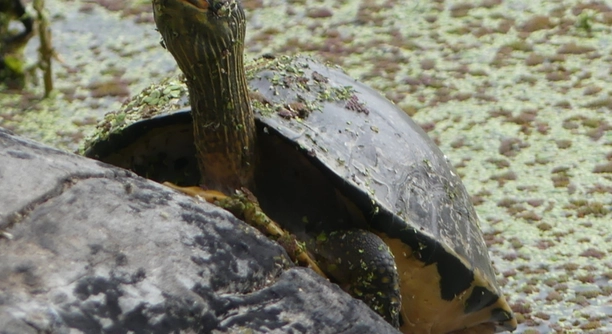
Indian Roofed Tortoises are fascinating creatures that require a specific diet for optimal health. Their eating habits can be quite unique, and understanding their nutritional needs is key to ensuring they thrive.
To improve your Indian Roofed Tortoise’s diet, focus on offering a balanced mix of leafy greens, vegetables, fruits, and occasional protein sources. Avoid overfeeding high-protein items, and always provide fresh water. This will support your tortoise’s digestion and overall well-being.
There are simple steps you can take to enhance your tortoise’s diet. A few key adjustments can improve its health and happiness in the long run.
1. Offer a Variety of Leafy Greens
Leafy greens are a must-have in your tortoise’s diet. They are rich in essential vitamins and minerals like calcium, which is crucial for bone health. Try to offer a mix of dark, leafy vegetables such as dandelion greens, collard greens, and kale. These greens are high in fiber and low in oxalates, making them safe and beneficial for your tortoise.
Including a range of greens not only adds nutritional value but also keeps things interesting for your tortoise. Make sure to avoid feeding lettuce varieties with low nutritional content, like iceberg lettuce.
You can also add a few herbs like parsley or cilantro for variety. Just remember to rotate the greens every few days to prevent boredom and ensure a wide range of nutrients. Fresh, organic options are ideal for your tortoise. Also, always wash the greens thoroughly to remove any pesticides or dirt.
2. Add Fruits in Moderation
While fruits are tasty, they should be fed sparingly.
Fruits should only be an occasional treat due to their high sugar content. Offer them in small portions, like a few pieces of apple or watermelon. This keeps your tortoise healthy without disrupting their digestive system.
Fruits can be a great way to supplement the diet with extra vitamins, especially vitamin A and C. They can help support your tortoise’s immune system and general health. However, it’s crucial to stick to fruits that are safe for them, such as papaya, strawberries, and mango. Avoid acidic fruits like oranges, as they can irritate their digestive tract.
Offering fruit in moderation can help keep your tortoise active and engaged without the risks of overfeeding sugar-rich foods. Combining fruits with their greens is a nice balance to help ensure a well-rounded diet.
3. Provide a Source of Protein
Protein is essential for growth and overall health, but too much can lead to health problems.
Offering protein in moderation is important for your tortoise. Protein-rich foods like boiled eggs, insects, or cooked chicken can be introduced occasionally. However, these should only make up about 10-15% of their diet. Overfeeding protein can lead to kidney issues or shell deformities.
Ensure you’re feeding protein sources that are not too fatty or processed. For example, small amounts of cooked eggs or mealworms are fine, but avoid fatty meats. A balanced diet is key to keeping your tortoise healthy and active. Keep the focus on vegetables and greens, and only add protein as needed for growth.
4. Offer Fresh Water
Water is essential, but many tortoises tend to avoid drinking unless encouraged.
Providing fresh, clean water every day is crucial for your tortoise’s health. Ensure the water is in a shallow dish to avoid drowning hazards. It should be changed daily to prevent any bacteria buildup. Some tortoises may also benefit from occasional misting to encourage drinking.
In addition to regular water, you can add a shallow soaking dish to give your tortoise an opportunity to hydrate by soaking in it. This helps with digestion and ensures that your tortoise gets the moisture it needs. Staying hydrated is vital for maintaining good health, so always offer fresh water and watch for signs of dehydration.
5. Avoid High-Fat Foods
High-fat foods should be limited in your tortoise’s diet.
Feeding your tortoise high-fat foods can lead to obesity and other health complications. Avoid items like fatty meats, cheese, or seeds high in fat. Stick to low-fat protein sources, and focus on healthy, fiber-rich vegetables to provide the nutrients they need without excess fat.
Excessive fat in the diet can cause long-term health issues, including heart problems. It’s important to focus on a well-balanced diet with plenty of leafy greens and moderate amounts of protein to keep your tortoise in good shape.
6. Offer Calcium-Rich Foods
Calcium is critical for bone and shell health.
Incorporate calcium-rich foods like calcium-enriched greens, clover, and calcium powder into your tortoise’s diet. Regularly dusting their food with calcium powder ensures they get enough of this vital nutrient. Proper calcium intake helps prevent metabolic bone disease and supports overall health.
If your tortoise isn’t getting enough calcium, their shell may develop deformities or soft spots. Be sure to offer high-calcium greens like collard greens and dandelion leaves. You can also use cuttlebone or supplements if needed to ensure proper calcium intake.
FAQ
What vegetables can I feed my Indian Roofed Tortoise?
You can feed your Indian Roofed Tortoise a variety of vegetables, including dandelion greens, collard greens, mustard greens, and kale. These vegetables are high in fiber and low in oxalates, making them safe and nutritious for your tortoise. Avoid feeding them iceberg lettuce or cabbage as they are low in nutrients and can cause digestive issues. You can also add vegetables like bell peppers, zucchini, and squash for variety, but always ensure that they are fresh and washed properly.
How often should I feed my Indian Roofed Tortoise?
Indian Roofed Tortoises should be fed every day, but the amount depends on their age and size. Younger tortoises require more food, while adults can have smaller, more spaced-out meals. Typically, offer a serving of leafy greens and vegetables in the morning and remove any uneaten food by evening to avoid spoiling. If you’re providing fruits or protein, do so in moderation, and only a few times a week.
Can I feed my tortoise fruit every day?
Fruits should not be fed every day. While fruits are tasty and provide vitamins, they are also high in sugar, which can cause digestive problems if consumed too often. Limit fruit intake to a couple of times a week. Stick to safe fruits such as papaya, strawberries, and watermelon. Always remove the seeds or pits from the fruit before offering it to your tortoise to avoid choking hazards.
How can I ensure my tortoise gets enough calcium?
Calcium is essential for your tortoise’s shell and bone health. To ensure they get enough calcium, you can dust their food with calcium powder a few times a week. Offer calcium-rich foods like dandelion greens, collard greens, and clover. You can also provide a cuttlebone for them to chew on, which is an excellent source of calcium. Be mindful of offering too much phosphorus in their diet, as this can interfere with calcium absorption.
Is it safe to feed my tortoise flowers?
Yes, many flowers are safe for tortoises to eat. Some great options include dandelions, hibiscus, and pansies. Just make sure that the flowers have not been treated with pesticides or chemicals. Always verify that the flower you’re offering is safe and non-toxic. Avoid giving them any flowers that may have been sprayed or come from an unknown source.
What type of protein can I feed my tortoise?
Protein should be offered in moderation. You can feed your tortoise small amounts of boiled eggs, mealworms, or cooked chicken. However, keep the protein portion to about 10-15% of their diet. Overfeeding protein can lead to kidney issues and other health concerns. It’s essential to focus on providing more fiber-rich plant-based foods and only occasionally add protein to their meals.
Should I use supplements for my tortoise’s diet?
Supplements can be beneficial if you’re not able to provide a balanced diet through whole foods. Calcium powder and multivitamins designed for reptiles can be used to supplement your tortoise’s diet. However, supplements should never replace fresh food, and they should be used sparingly. Always follow the instructions on the product to avoid over-supplementing.
How much water does my tortoise need?
Indian Roofed Tortoises need fresh water available at all times. Place the water in a shallow dish to avoid drowning hazards, and ensure it’s changed daily to keep it clean. Some tortoises may prefer to soak in the water, so having a shallow soaking dish available can be helpful. A soaking bath can also help with hydration, so be sure to monitor this and provide water frequently.
Can I feed my tortoise lettuce?
Not all types of lettuce are safe for tortoises. Iceberg lettuce, in particular, is mostly water and has very little nutritional value. It can also cause diarrhea or other digestive issues if fed regularly. Stick to more nutrient-dense varieties like Romaine lettuce, but keep it limited and offer it alongside other, more nutritious vegetables like dandelion greens or kale.
Can my tortoise eat grass?
Yes, grass can be an excellent addition to your tortoise’s diet, provided it is pesticide-free. Fresh, untreated grass such as clover or plantain can be an excellent source of fiber and other nutrients. However, make sure the grass hasn’t been treated with chemicals, as this can be harmful to your tortoise. Always check the grass source to ensure it’s safe.
How do I prevent obesity in my tortoise?
To prevent obesity, avoid overfeeding high-calcium and high-fat foods, especially fruits and protein. Stick to a diet rich in leafy greens and vegetables and provide fresh water daily. Ensure that your tortoise gets proper exercise by allowing them to roam in a safe, spacious area. Monitor their weight regularly and adjust the amount of food based on their activity level. Overfeeding can lead to serious health issues, so balance their meals with plenty of low-calorie greens and fiber.
Final Thoughts
Taking care of your Indian Roofed Tortoise involves more than just providing food. It’s important to offer a balanced diet that includes a variety of vegetables, some fruits, and occasional protein. By focusing on leafy greens like dandelion and collard greens, you ensure your tortoise gets the nutrients it needs for strong bones and a healthy shell. Calcium is a key part of their diet, so adding calcium-rich foods and supplements can help prevent issues like metabolic bone disease. Remember, tortoises are herbivores, and their digestive systems work best when fed mostly plant-based foods.
Avoiding high-fat foods and overfeeding protein is also important. Too much protein can lead to kidney issues and other health concerns, so keep protein to a minimum, offering it only occasionally. Fruits, though tasty, should also be given in moderation, as they can disrupt your tortoise’s digestion due to their high sugar content. Always remove seeds and pits from fruits before feeding them to your tortoise, as these can be choking hazards. It’s about finding a balance, offering enough variety without going overboard with any one type of food.
Lastly, hydration is just as important as the right foods. Providing fresh water daily and offering a shallow dish for soaking can help keep your tortoise hydrated and support its digestion. Always make sure the water is clean, changing it regularly. With the right diet and care, your tortoise can live a healthy, happy life. Keep a close eye on what they’re eating, make adjustments when needed, and always ensure they have access to fresh water and sunlight. This will help your tortoise thrive for years to come.

Hello,
If you enjoy the content that we create, please consider saying a "Thank You!" by leaving a tip.
Every little bit helps us continue crafting quality advice that supports the health, happiness, and well-being of pets around the world, for pets of all shapes, sizes, and species.
We really appreciate the kindness and support that you show us!