
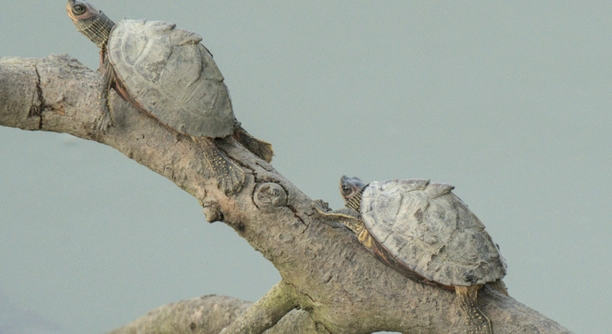
Are you concerned about your Indian Roofed Tortoise losing its balance? Sometimes, these creatures, known for their calm nature, might struggle with stability, which can be worrying. It’s important to understand what might be causing this change in behavior.
The most common reasons for balance loss in Indian Roofed Tortoises include health issues, improper habitat conditions, or age-related factors. A veterinary examination can help pinpoint the exact cause and provide appropriate treatment or adjustments to the environment.
Learning about the potential causes behind this issue can help you act quickly. We will explore different factors and solutions to assist your tortoise in regaining balance.
Possible Health Issues Affecting Balance
Health problems are a common cause of balance issues in tortoises. If your Indian Roofed Tortoise seems unsteady, it could be due to a variety of health concerns, including infections, neurological problems, or even issues related to dehydration. It’s important to keep an eye on any additional symptoms, such as a lack of appetite, lethargy, or abnormal behavior. These can indicate underlying health issues that require veterinary attention.
Infections like respiratory illnesses or parasitic infestations can affect your tortoise’s ability to move properly. The weakness that comes from such conditions can lead to poor balance. Additionally, internal health problems like kidney or liver issues can affect your tortoise’s stability.
If you notice that your tortoise is having trouble walking or staying upright, it’s crucial to consult a veterinarian as soon as possible. They can run tests to identify any health problems that might be affecting your pet’s ability to maintain balance. Early diagnosis can improve treatment outcomes and prevent further complications.
Environmental Factors to Consider
The habitat plays a significant role in your tortoise’s well-being. Poor conditions, such as incorrect temperature or humidity levels, can cause stress and imbalance.
Tortoises need a stable and comfortable environment to thrive. The right temperature and humidity levels are key to keeping your Indian Roofed Tortoise active and stable. A basking area should be warm enough, and the rest of the enclosure should offer a cooler spot to regulate body temperature. If the habitat is too hot or too cold, your tortoise might become sluggish or unable to move properly.
Lighting also plays a role in their health. Without sufficient UVB lighting, your tortoise may suffer from weak bones, which can affect its ability to walk and balance. Ensure that your pet’s enclosure mimics the natural environment as much as possible. A well-maintained setup can prevent many balance issues and other health concerns in the long run.
Age-Related Issues
Older tortoises may experience balance problems due to natural aging. As tortoises grow older, they may develop joint issues, arthritis, or other age-related complications that make movement difficult. Just like humans, tortoises can face physical challenges as they age, leading to a decrease in mobility and balance.
Age can also affect their eyesight or hearing, which are important for maintaining balance and coordination. An older tortoise might struggle to navigate its environment in the same way it did when it was younger. To support your tortoise, you may need to adjust its habitat to make it more comfortable and accessible.
While aging can’t be stopped, providing the right care can help your tortoise remain more mobile and stable as it gets older. Regular veterinary check-ups are crucial to identify any age-related health concerns and to manage them effectively. Adjusting your tortoise’s living conditions can also improve its quality of life as it ages.
Improper Diet and Nutrition
An improper diet can lead to various health problems, including balance issues. Lack of essential nutrients, like calcium and vitamins, weakens bones and muscles, making it harder for your tortoise to move properly. Ensure your tortoise is getting the right amount of vitamins, minerals, and fiber.
Calcium is especially important for tortoises to maintain strong bones and avoid issues like metabolic bone disease, which directly affects mobility. Make sure your pet has access to calcium-rich foods such as dark leafy greens, and consider providing calcium supplements if recommended by a vet. Without proper nutrition, your tortoise might become lethargic and struggle with balance.
A varied diet with fresh vegetables, fruits, and occasional protein is also key to providing all the necessary nutrients. Feeding the right combination of foods helps maintain a healthy weight, preventing any additional strain on your tortoise’s body. Regularly check if your tortoise is eating properly and adjust its diet as needed to support its overall health.
Habitat Size and Flooring
The size and flooring of your tortoise’s habitat can significantly affect its movement. A small enclosure can limit your pet’s ability to walk and explore freely, which may contribute to balance issues. Tortoises need space to roam and exercise in order to maintain healthy muscle strength.
The flooring should also be appropriate. A slippery surface can cause your tortoise to lose its grip and fall, leading to stress and balance problems. Consider using a substrate that provides some traction, such as a mixture of soil and sand, or a soft, non-slippery material that allows your tortoise to move with ease.
Providing an appropriately sized, safe, and comfortable habitat will encourage your tortoise to stay active, helping to keep it balanced and healthy. Regularly check your pet’s living area for any hazards, and ensure it’s easy to move around without difficulty.
Stress and Anxiety
Stress can also cause balance issues in your tortoise. Changes in the environment, loud noises, or the presence of other animals can make your tortoise anxious. This anxiety can cause instability, as stressed tortoises may become more defensive or move erratically.
A stressed tortoise might exhibit abnormal behavior, such as hiding more often or acting lethargic. Keeping the environment calm and quiet can help your pet feel more secure. Ensure that the habitat is free from disturbances, and avoid any sudden changes in their routine or surroundings to help reduce stress levels.
Dehydration
Dehydration is another issue that can affect your tortoise’s stability. If your pet is not drinking enough water, it can lead to weakness, making it difficult for them to stay balanced. Always provide fresh, clean water daily for your tortoise.
You can also hydrate your tortoise by offering moist foods like cucumber and leafy greens. This can help maintain proper hydration levels and prevent any related health issues that could impact movement and balance.
Parasites and Infections
Parasites and infections, if left untreated, can lead to serious health issues in tortoises, including balance problems. Internal parasites can cause weakness and make it difficult for your tortoise to maintain stability. These parasites might affect your pet’s ability to digest food properly or absorb nutrients.
External parasites, such as mites or ticks, can also cause discomfort, leading to changes in behavior and movement. Regularly check for signs of parasites and consult a vet for treatment options. Keeping your tortoise’s living space clean and hygienic can help prevent these issues.
FAQ
What should I do if my tortoise is constantly falling over?
If your tortoise is falling over regularly, it could be due to a few different reasons. Start by assessing its environment and overall health. Check for signs of injury, such as limping or swelling, which could indicate a problem. If there’s no visible injury, it may be a sign of poor health, such as dehydration or an infection. A visit to the vet is recommended for a thorough check-up. Additionally, ensure the habitat is free from hazards and the floor provides good traction.
How can I tell if my tortoise is stressed?
Stress in tortoises can show up in various ways. A stressed tortoise might hide more often, show signs of aggression, or appear lethargic. It may also stop eating or drinking. Check for environmental factors that could be causing stress, like sudden changes in temperature, loud noises, or other pets. A comfortable and quiet environment with enough space to roam is key to keeping your tortoise relaxed.
Can improper diet cause balance problems?
Yes, an improper diet can lead to health issues that affect your tortoise’s balance. If your tortoise isn’t getting enough calcium, for example, it could develop metabolic bone disease, which weakens its bones and affects movement. A balanced diet that includes fresh greens, vegetables, and some fruits is essential for strong bones and overall health. Make sure your tortoise’s diet is varied and rich in essential vitamins and minerals.
What are the signs that my tortoise has an infection?
Infections in tortoises can manifest in several ways. Look for signs like discharge from the eyes, nose, or mouth, difficulty breathing, or a lack of appetite. A tortoise with an infection may also become lethargic, have swollen limbs, or seem unsteady while moving. If you notice any of these symptoms, it’s important to take your tortoise to a veterinarian for treatment.
How can I prevent balance issues caused by age?
As tortoises age, they may develop arthritis or joint stiffness, which can affect their ability to move and maintain balance. While you can’t stop aging, you can make life easier for your senior tortoise. Provide a soft, non-slippery substrate in their habitat to avoid falls. Make sure they have easy access to their food and water. A vet visit for regular check-ups is important for addressing any age-related health issues early.
Is it okay for my tortoise to live with other pets?
Tortoises can live with other pets, but it depends on the type of animals. Some pets, especially fast-moving or aggressive ones, can cause stress for your tortoise, which might lead to balance issues. It’s important to ensure that other animals don’t harm your tortoise or make it feel threatened. If your tortoise shares space with other pets, always supervise interactions and make sure there’s enough space for each pet to feel safe.
How often should I clean my tortoise’s habitat?
Regular cleaning of your tortoise’s habitat is essential for maintaining a healthy environment. The enclosure should be cleaned at least once a week. Remove waste, uneaten food, and any soiled substrate regularly to keep the area fresh. Deep cleaning, where you wash the entire enclosure and replace the substrate, should be done every few weeks. A clean habitat reduces the risk of infections and parasites that could cause health problems.
Could my tortoise be suffering from dehydration?
Dehydration is a common problem for tortoises and can cause weakness, lethargy, and balance issues. Make sure your tortoise always has access to fresh water. You can also hydrate your tortoise by offering moist foods like cucumbers, tomatoes, or leafy greens. If you suspect dehydration, soaking your tortoise in shallow, lukewarm water for about 20 minutes can help it rehydrate.
What is the best way to handle my tortoise if it’s falling over?
If your tortoise is struggling to maintain its balance or keeps falling over, avoid handling it too much, as this can cause additional stress. Instead, try to create a safer environment for it. Adjust the flooring to provide better grip, and check the temperature and humidity in its habitat. If the problem persists, consult a vet for guidance.
Should I give my tortoise supplements for better health?
Supplements can be beneficial for your tortoise, especially if it’s not getting enough of certain nutrients from its diet. Calcium and vitamin D3 supplements are commonly recommended for tortoises, as they help maintain strong bones and prevent metabolic bone disease. However, it’s important not to over-supplement, as this can lead to other health problems. Consult with your vet before adding supplements to ensure you’re giving the right amount.
Final Thoughts
Maintaining the balance and health of your Indian Roofed Tortoise requires attention to several key factors. The most important thing is to ensure its environment is properly set up. This includes a comfortable habitat with the right temperature, humidity, and lighting. A clean enclosure with the right substrate helps prevent any slipping or falling. When everything is in place, your tortoise can move more easily and stay active, reducing the risk of balance issues.
A balanced diet also plays a huge role in your tortoise’s health. Providing the right food, like dark leafy greens, fruits, and some occasional protein, is vital for strong bones and overall well-being. Calcium-rich foods are especially important to prevent metabolic bone disease, a condition that could seriously affect your pet’s ability to maintain balance. Regularly check your tortoise’s eating habits, and ensure that they are getting all the nutrients they need. If necessary, consult with a veterinarian about supplementing their diet for better bone health.
Finally, never underestimate the importance of regular veterinary check-ups. If your tortoise begins showing signs of imbalance, whether through falling over, lethargy, or other unusual behaviors, it’s essential to seek professional advice. A vet can quickly identify whether it’s a health issue, a result of aging, or perhaps environmental factors causing the problem. Addressing these issues early on helps ensure that your tortoise can live a long, healthy life without struggling with balance or other related health problems.

Hello,
If you enjoy the content that we create, please consider saying a "Thank You!" by leaving a tip.
Every little bit helps us continue crafting quality advice that supports the health, happiness, and well-being of pets around the world, for pets of all shapes, sizes, and species.
We really appreciate the kindness and support that you show us!