
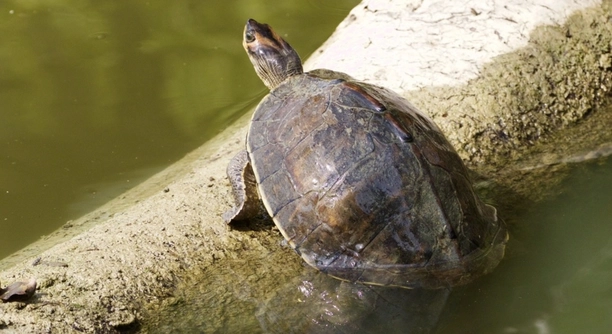
Keeping an Indian roofed tortoise healthy and happy requires maintaining the freshness of its water. This ensures proper hydration and hygiene for your pet. Clean water is vital for their well-being and active lifestyle.
To maintain fresh water for an Indian roofed tortoise, frequent water changes, proper filtration, and regular cleaning of the tank are essential. Also, adding water conditioners and keeping the tank in a cool area can help prevent algae buildup.
There are several easy steps you can follow to improve your tortoise’s water quality. Proper care will make a noticeable difference in the overall health and activity of your pet. Keep reading for simple tips.
Regular Water Changes
Changing your tortoise’s water often is one of the most effective ways to keep it fresh. The longer water sits without changing, the more likely it is to become contaminated with bacteria or algae. Water should be changed every 2 to 3 days, especially if your tortoise spends a lot of time in the water. Regular changes prevent any harmful buildup and ensure your pet has access to clean, fresh water. You don’t have to replace all the water at once; even partial changes will help maintain its quality. You should also clean the tank during these changes to remove any waste that could cause water contamination.
When replacing the water, make sure it is filtered and free from chlorine, as this can harm your tortoise. Use water that’s at a comfortable temperature—neither too hot nor too cold. Check for any residue left behind from previous water changes, as these can affect the overall cleanliness of the tank.
Use a Proper Filtration System
A filtration system is vital for keeping water clear and fresh. It works by removing waste, excess food, and harmful particles. A good filter will help ensure the water stays clean for a longer period of time between changes. The type of filter you need will depend on the size of your tank and the water volume. Consider a submersible filter or an external filter, both of which can be efficient for keeping your tortoise’s habitat fresh and free from contaminants.
Filters not only remove visible debris but also improve water circulation, preventing stagnant areas where bacteria can grow. Be sure to maintain the filter regularly by cleaning it according to the manufacturer’s instructions. A well-maintained filter will keep your tortoise’s environment healthier and reduce the need for frequent water changes.
Avoid Overfeeding
Overfeeding your tortoise can quickly lead to water contamination. When your pet eats too much, leftovers often sink to the bottom of the water, contributing to bacteria growth and algae buildup. It’s best to feed your tortoise in a separate area, away from the water, to keep the habitat clean. Be mindful of how much food is given and how quickly it’s consumed to avoid leftovers. Leftover food also takes up space in the tank, limiting the available water for your tortoise to swim in. Keep portions small and monitor how much food your pet consumes.
Tortoises can be picky eaters, so it’s important to offer them fresh food that is easy to consume. If your tortoise leaves food behind in the water, be sure to remove it immediately to avoid it decaying and affecting the water quality. By feeding your tortoise properly, you help reduce the need for constant cleaning.
Control Water Temperature
Water temperature plays an important role in maintaining the health of your tortoise and the cleanliness of the water. If the water is too warm, it can promote algae growth, making it harder to maintain clean water. On the other hand, water that’s too cold can stress your tortoise. The ideal water temperature for an Indian roofed tortoise is between 75°F and 85°F. You can easily monitor this by using a reliable thermometer.
It’s also essential to keep the tank away from direct sunlight or heat sources, as this can raise the temperature too high. If the water becomes too warm, try using a fan to circulate air or invest in a tank chiller to maintain a consistent, comfortable temperature for your tortoise. Keeping the water at the right temperature not only helps prevent algae growth but also keeps your tortoise comfortable and healthy.
Keep the Tank Clean
Regularly cleaning the tank is key to fresh water. Use a soft brush or sponge to clean the walls of the tank, removing any algae or grime. Make sure to clean any decorations or rocks in the tank as well. Dirty surfaces can trap bacteria, which then contaminate the water. Scrubbing the surfaces regularly helps prevent buildup that could impact water quality.
A good practice is to clean your tank thoroughly once a week, removing all waste, uneaten food, and algae growth. Consider using a gentle, non-toxic aquarium cleaner to make the job easier. Keeping the tank clean will ensure that your tortoise always has access to a healthy, fresh water environment.
Use Water Conditioners
Water conditioners are useful for maintaining the right balance in your tortoise’s water. These products help neutralize harmful substances like chlorine or chloramine that might be present in tap water. By adding a conditioner to the water, you can make it safer and more comfortable for your pet.
Choose a water conditioner that is specifically designed for reptiles and amphibians. It’s essential to follow the instructions for dosage to avoid overusing the product. These conditioners also help maintain proper water pH, which is important for your tortoise’s overall health. Be cautious and select a high-quality product to ensure no harm to your pet.
Conditioners can also reduce the chance of algae buildup, keeping your tortoise’s water cleaner for longer. They are an easy and effective way to keep the water safe and fresh. Regular use of a conditioner, along with proper filtration and cleaning, will create a balanced and healthy environment for your tortoise.
Clean the Water Daily
While regular water changes are necessary, cleaning the water daily also plays a role in maintaining freshness. Take a few minutes each day to remove any visible debris, leftover food, or waste your tortoise may have left behind. This prevents any contaminants from accumulating and affecting water quality.
Use a net or small fishnet to scoop out any visible waste or uneaten food from the water. This will ensure the water remains clean between regular water changes. You don’t need to change all of the water each day, but daily cleaning keeps it from getting too dirty. Keeping up with this small daily task ensures your tortoise’s water stays as fresh as possible, helping to prevent bacteria growth.
A daily check helps prevent any water quality issues before they become a bigger problem. This small but consistent effort makes a noticeable difference in keeping your tortoise’s environment clean and healthy.
Avoid Overcrowding the Tank
Overcrowding your tortoise’s tank can lead to quick water contamination. If there are too many objects or other pets, the water will dirty faster. This affects your tortoise’s health and the quality of the water. A spacious tank ensures better air circulation and cleanliness.
Keep the tank only as large as necessary to accommodate your tortoise comfortably. When possible, avoid adding too many decorations or other pets that may contribute to waste. An overcrowded environment not only affects water quality but can also cause stress for your tortoise. Ensure your pet has space to move around.
Keep Tank Covered
A covered tank helps keep the water clean for longer. It prevents debris, dust, or particles from entering the water, which can lead to contamination. It also reduces the chance of evaporation, keeping the water level stable. A cover helps maintain a healthy habitat for your tortoise.
A secure, well-fitting lid can also prevent your tortoise from trying to escape, which is a common issue. Be sure the cover allows for enough ventilation so that your pet stays comfortable. With a proper cover, you’ll have fewer problems keeping the water fresh and clean.
FAQ
How often should I change my tortoise’s water?
Changing the water every 2 to 3 days is recommended. Tortoises often spend time in the water, and waste can build up quickly. If your tortoise spends more time in the water, you might need to change it more frequently. Regular changes ensure your pet stays hydrated and healthy. You don’t have to replace all the water each time; partial water changes work just as well.
Can I use tap water for my tortoise?
Tap water can be used, but it should be treated before putting it in the tank. Tap water often contains chlorine or chloramine, which can harm your tortoise. Using a water conditioner or dechlorinator will help neutralize these chemicals. Always check the temperature and quality of the water before adding it to the tank.
Should I clean my tortoise’s tank every day?
It’s a good idea to clean the tank daily, but you don’t need to do a full clean every day. Remove any visible debris, uneaten food, or waste from the water to prevent it from getting too dirty. A full cleaning, including changing the water, should be done every 2 to 3 days.
How do I prevent algae in my tortoise’s tank?
To prevent algae, keep the tank out of direct sunlight and control the water temperature. Algae thrives in warm, bright environments, so maintaining a cooler tank will help. Regular cleaning of the tank, using water conditioners, and adding a proper filtration system will also help keep algae under control.
Can I use a filter in my tortoise’s tank?
Yes, a filter is very helpful for keeping the water clean. It helps remove waste, food particles, and bacteria that can contaminate the water. Make sure the filter is appropriate for the size of the tank and that it is regularly cleaned to maintain its efficiency.
What temperature should the water be for my tortoise?
The water should be between 75°F and 85°F. A thermometer can help monitor the temperature and make sure it stays within this range. Water that’s too hot or too cold can stress your tortoise. Make sure the water stays comfortable to ensure your pet’s health.
How can I tell if my tortoise’s water is too dirty?
If the water looks cloudy, smells bad, or if there’s visible debris, it’s a sign that the water needs to be changed. You should also check for algae growth along the sides of the tank or on the water surface. If you notice any of these signs, it’s time for a water change.
Can I keep more than one tortoise in the same tank?
It’s possible, but you should be cautious. Overcrowding the tank can lead to faster water contamination and cause stress for your tortoises. Make sure there’s enough space for each one to move around freely. If you decide to house multiple tortoises together, monitor the water closely and clean it more often.
Is it okay to use a lid on the tank?
Yes, a lid can help keep the water clean by preventing dust, debris, or particles from falling into the tank. It can also help prevent evaporation and maintain a consistent water level. However, ensure the lid has proper ventilation to allow airflow for your tortoise. Avoid lids that restrict airflow completely.
What should I do if my tortoise isn’t drinking water?
If your tortoise isn’t drinking enough water, it could be a sign of dehydration. Offer fresh water daily, and make sure the water is clean. You can also try soaking your tortoise in shallow, lukewarm water for 20 to 30 minutes to encourage drinking. If the problem persists, it might be best to consult a vet.
How can I keep the tank from smelling?
To keep your tortoise’s tank from smelling, change the water regularly, remove uneaten food, and clean the tank thoroughly. A proper filtration system can also help reduce odors by removing waste and bacteria. If you notice persistent bad smells, check for any buildup in hard-to-reach places.
Final Thoughts
Keeping your Indian roofed tortoise’s water fresh is an essential part of their overall care. Clean water supports your tortoise’s health, keeps them hydrated, and prevents common health issues like skin infections or stress. Regular water changes, along with a good filtration system, can make a noticeable difference in the quality of the water and in your tortoise’s well-being. By staying on top of daily cleaning and monitoring the water temperature, you can ensure your tortoise enjoys a healthy, clean environment. Taking these steps will help you provide a habitat that is safe and comfortable for your pet.
The task of maintaining fresh water for your tortoise might seem demanding at first, but it becomes second nature once you establish a routine. Regular water changes, cleaning out debris, and using proper water conditioners are simple yet effective ways to maintain water quality. It’s important to also keep an eye on your tortoise’s behavior and water preferences, as this can help you spot any issues early. Keep in mind that a well-maintained environment leads to a healthier and more active tortoise. While it may take some effort, the payoff is a thriving pet that feels at home in its habitat.
Ultimately, providing fresh water for your tortoise doesn’t have to be complicated. With a few simple actions, such as filtering the water, controlling the tank’s temperature, and cleaning the space regularly, you’ll create the right conditions for your tortoise to thrive. A little time spent on maintaining water quality goes a long way in ensuring your pet lives a long, healthy life. Take it one step at a time, and soon you’ll feel more confident in managing your tortoise’s water care.

Hello,
If you enjoy the content that we create, please consider saying a "Thank You!" by leaving a tip.
Every little bit helps us continue crafting quality advice that supports the health, happiness, and well-being of pets around the world, for pets of all shapes, sizes, and species.
We really appreciate the kindness and support that you show us!