
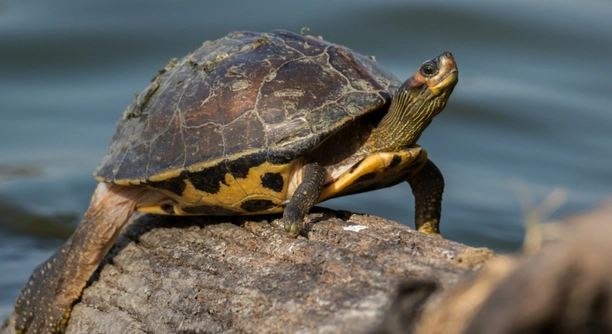
Is your Indian roofed tortoise kicking its legs while resting, leaving you puzzled about its behavior? This movement may seem unusual, but it often has a simple explanation related to comfort, temperature, or even health concerns.
Indian roofed tortoises may kick their legs while resting due to muscle relaxation, thermoregulation, or discomfort. This behavior helps them stretch their limbs, regulate body temperature, or respond to irritation from their surroundings, such as an uneven surface or parasites.
This gentle movement might appear random, but it plays an essential role in their well-being. Understanding why it happens can help you ensure your tortoise stays comfortable and healthy in its habitat.
Common Reasons for Leg Kicking
Indian roofed tortoises may kick their legs while resting for several reasons. One common reason is muscle relaxation. Just like other reptiles, tortoises stretch their limbs to relieve tension. This movement helps them stay flexible and comfortable. Another reason could be thermoregulation. Tortoises adjust their posture to control their body temperature. If they feel too warm or cool, they might extend or retract their limbs. Sometimes, discomfort from an uneven surface or a minor skin irritation may also cause this behavior. While occasional leg kicking is normal, excessive movement might indicate an underlying issue that needs attention.
If your tortoise kicks its legs frequently, check its enclosure. Ensure the substrate is soft and comfortable. Sharp or rough surfaces could cause irritation. Also, observe if it shows other unusual behaviors, such as excessive scratching or restlessness.
This behavior is usually harmless, but sudden changes might signal stress or health concerns. Pay attention to any signs of distress. If the movement seems excessive or your tortoise appears uncomfortable, consider adjusting its habitat. Providing a suitable environment can help keep your tortoise relaxed and content. If concerns persist, consulting a reptile veterinarian is a good idea.
When to Be Concerned
Occasional leg kicking is not a cause for worry, but frequent or aggressive movements may indicate discomfort. If your tortoise repeatedly kicks its legs while resting, there may be an issue with its surroundings or health.
One possible reason is skin irritation caused by parasites. Mites or ticks can make your tortoise feel itchy, leading to leg movements. Checking for small black or red spots on its skin can help identify an infestation. Another concern is an improper temperature range. If the enclosure is too hot or cold, your tortoise may struggle to get comfortable, resulting in excessive movement. Additionally, joint pain or muscle stiffness from dehydration or nutritional deficiencies can lead to discomfort. Ensuring your tortoise has a balanced diet with proper calcium and hydration is essential.
Observing other behaviors can help determine if action is needed. If your tortoise refuses to eat, appears lethargic, or withdraws frequently into its shell, it may be time to seek professional advice. Creating a comfortable and well-maintained habitat will help prevent most issues and keep your tortoise happy and healthy.
How to Help Your Tortoise Feel Comfortable
A soft, clean enclosure can make a big difference. Use a substrate that is gentle on its skin, like coconut fiber or cypress mulch. Avoid rough or sharp materials that could cause irritation. Keep the habitat clean to prevent bacteria buildup and discomfort.
Temperature control is important for keeping your tortoise relaxed. Maintain a basking area between 85-90°F and a cooler zone around 75°F. If your tortoise is too hot or too cold, it may move its legs more often to adjust. A heat lamp and a thermometer can help regulate the temperature. Humidity also matters, so keep it around 50-70%. Low humidity can cause dry skin and discomfort. Providing a shallow water dish helps maintain hydration. A well-balanced habitat setup ensures your tortoise feels safe and at ease.
A proper diet supports muscle health and relaxation. Offer leafy greens like collard greens and dandelion leaves, along with calcium supplements to prevent deficiencies. Avoid feeding too much fruit, as excess sugar can cause digestive issues. Fresh water should always be available to prevent dehydration. If your tortoise is lacking nutrients, it may develop stiffness, leading to unusual movements. A well-rounded diet helps keep your tortoise active and comfortable.
Signs That Require Veterinary Attention
If your tortoise is repeatedly kicking its legs along with refusing to eat, losing weight, or acting sluggish, it could indicate a health issue. Breathing problems, swollen limbs, or visible injuries should not be ignored. A veterinarian can help determine if there is an underlying illness.
Parasites, infections, and metabolic bone disease are common health concerns. External parasites like mites cause irritation and excessive movement. Internal parasites can affect digestion, leading to weakness. Respiratory infections may cause lethargy and irregular breathing. Metabolic bone disease, often due to calcium deficiency, results in weak limbs and unusual posture. If you suspect any of these conditions, a vet visit is necessary. Early intervention can prevent serious complications.
Pay attention to any long-term changes in behavior. If the leg kicking continues for several days or worsens, professional care is recommended. A vet can conduct tests, provide treatments, and guide you on improving your tortoise’s care. Addressing concerns early ensures your tortoise stays healthy and comfortable.
Creating a Stress-Free Environment
A quiet and stable environment helps your tortoise feel safe. Loud noises, frequent handling, or sudden movements can cause stress, leading to unusual behaviors like excessive leg kicking. Keep its enclosure in a calm area with minimal disturbances to promote relaxation.
Hiding spots are essential for reducing stress. Providing shelters like logs or small caves allows your tortoise to retreat when it feels uneasy. A stressed tortoise may exhibit restless behavior, so ensuring it has a secure space can make a noticeable difference in its comfort.
The Importance of Regular Monitoring
Observing daily behavior helps detect issues early. Checking for changes in activity, eating habits, or shell condition ensures you catch potential health concerns before they worsen. Keeping a simple log of its routine can help identify patterns and address problems quickly.
Final Thoughts
Maintaining a clean, comfortable, and stress-free habitat prevents many issues. A well-cared-for tortoise is more likely to stay relaxed, active, and healthy.
FAQ
Why does my tortoise kick its legs while resting?
Tortoises kick their legs while resting for several reasons. It could be a simple sign of muscle relaxation, as stretching their limbs helps relieve tension. The movement can also be a response to temperature adjustments, allowing them to regulate their body heat. Lastly, irritation from uneven surfaces or mild discomfort could lead to leg kicking. If it’s a rare occurrence, there’s usually no need to worry.
How do I know if the leg kicking is a sign of discomfort?
If your tortoise frequently kicks its legs, appears restless, or seems to avoid certain areas of its enclosure, discomfort may be the cause. Check for signs like scratching, rubbing, or excessive hiding. If your tortoise starts to show these behaviors, it might indicate that something is bothering it, such as improper substrate, temperature, or possible irritation from pests.
Can leg kicking be a sign of illness?
Yes, if leg kicking is accompanied by other concerning symptoms like loss of appetite, lethargy, or weight loss, it could indicate illness. Conditions like respiratory infections, parasites, or metabolic bone disease can cause discomfort and unusual behavior. In such cases, it’s important to seek a vet’s advice.
What should I do if my tortoise kicks its legs a lot?
Start by inspecting its environment. Ensure that its enclosure is comfortable, with the right temperature, humidity, and soft, clean substrate. If the behavior persists or if you notice other signs of illness, consider visiting a veterinarian for a thorough checkup. Proper nutrition and hydration are also essential for overall health.
Is it normal for my tortoise to kick its legs when it’s cold?
Yes, leg kicking can happen when a tortoise is adjusting to cooler temperatures. Tortoises rely on external heat sources to maintain their body temperature, and if the environment is too cold, they may move their limbs to generate warmth or change their position to find a more comfortable spot.
How can I make my tortoise’s enclosure more comfortable?
Start by providing a proper temperature gradient within the enclosure, with a basking area around 85-90°F and a cooler zone around 75°F. Use a soft substrate like coconut fiber or cypress mulch, which is easy on the tortoise’s skin. Add a hide to give your tortoise a space to retreat when it feels stressed. Ensure fresh water is available at all times. Regular cleaning and proper humidity levels will also contribute to a more comfortable and healthy environment.
Does leg kicking affect my tortoise’s health?
In most cases, leg kicking itself does not directly affect a tortoise’s health. It is usually a natural movement that helps them stretch and adjust. However, if the behavior is frequent or paired with other symptoms like excessive lethargy or skin changes, it may be a sign that something is wrong. Pay attention to the overall health of your tortoise to ensure it stays in good condition.
Can leg kicking be caused by parasites?
Yes, parasites such as mites or ticks can cause discomfort in tortoises. These pests can lead to irritation, which may make your tortoise kick its legs or scratch itself frequently. If you suspect a parasite infestation, check for small, black or red spots on your tortoise’s skin. If parasites are found, you may need to treat the enclosure and your tortoise with appropriate medication.
How often should I check my tortoise’s health?
It’s important to check on your tortoise daily to ensure it’s eating well, staying active, and exhibiting normal behaviors. Weekly checks for skin condition, hydration levels, and overall appearance are also crucial. Regular monitoring helps detect any changes early, which can make a big difference in managing potential health issues.
What are the signs that my tortoise needs to see a vet?
Signs that your tortoise may need a vet include consistent leg kicking, lethargy, loss of appetite, shell deformities, difficulty moving, or abnormal breathing patterns. Any change in behavior that seems out of the ordinary should be evaluated by a veterinarian to rule out any health issues.
Can leg kicking be a sign of boredom or lack of activity?
While leg kicking is typically associated with comfort or adjustment, it can sometimes be a sign of boredom. Tortoises need stimulation, and if their environment is too empty or they lack enough enrichment, they may resort to repetitive behaviors. Ensure your tortoise has access to different textures, hiding spots, and opportunities for exploration.
Is there a way to prevent my tortoise from kicking its legs?
Leg kicking is often a natural behavior and can’t always be fully prevented. However, providing a comfortable, well-maintained environment with appropriate temperature control, soft substrate, and proper humidity can minimize discomfort. Regular monitoring and making sure your tortoise is healthy and stress-free will also help keep this behavior to a minimum.
Does leg kicking happen more in certain types of tortoises?
While leg kicking can occur in any species of tortoise, it is more noticeable in some species due to their unique movement patterns and body structures. Indian roofed tortoises, for example, may kick their legs more visibly during resting. This behavior is common across various species, but how often it happens can vary based on individual needs and environment.
Final Thoughts
Understanding your tortoise’s behavior is key to providing a comfortable and healthy environment. Leg kicking while resting can be a normal movement that helps your tortoise stretch, adjust its temperature, or relieve muscle tension. If the kicking is occasional, it’s typically not something to worry about. However, if it becomes excessive or is accompanied by other signs of distress, it’s worth paying closer attention to the potential causes. By observing your tortoise regularly, you can ensure that it stays comfortable and happy in its habitat.
Creating a suitable living environment plays a large part in reducing unnecessary behavior. Ensuring the right temperature, humidity, and substrate is crucial. A soft, clean surface helps prevent irritation and stress. Adequate heat allows your tortoise to regulate its body temperature, preventing discomfort that might lead to excessive movement. Providing proper nutrition also supports overall health, reducing the likelihood of leg kicking due to discomfort or deficiencies. Keeping the enclosure clean and maintaining proper humidity will prevent health issues, allowing your tortoise to thrive.
If the leg kicking becomes persistent or you notice other concerning signs like weight loss, lethargy, or refusal to eat, seeking professional help is the best course of action. A veterinarian who specializes in reptiles can provide guidance, run tests, and offer treatments to ensure your tortoise’s well-being. With proper care and monitoring, your tortoise should live a comfortable, healthy life.

Hello,
If you enjoy the content that we create, please consider saying a "Thank You!" by leaving a tip.
Every little bit helps us continue crafting quality advice that supports the health, happiness, and well-being of pets around the world, for pets of all shapes, sizes, and species.
We really appreciate the kindness and support that you show us!