
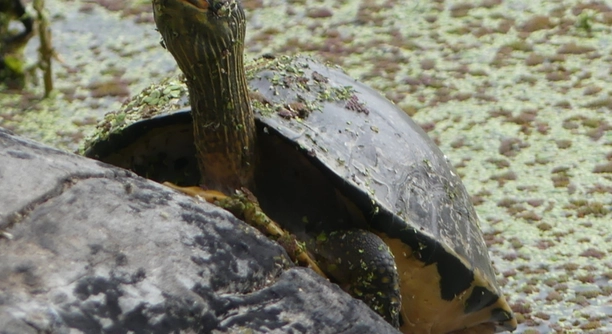
It’s important to keep your Indian Roofed Tortoise safe in the sun. Overheating can lead to serious health issues for your pet. Knowing the right steps to prevent this can help ensure its well-being during hot days.
To prevent your Indian Roofed Tortoise from overheating in the sun, make sure it has access to plenty of shade, fresh water, and a cool resting area. Limit exposure to direct sunlight, especially during peak hours, and monitor its behavior for signs of distress.
There are simple, yet effective ways to protect your tortoise from the heat. By taking a few precautions, you can make sure it stays comfortable and healthy throughout the warmer months.
Provide Plenty of Shade
Your tortoise needs a cool place to escape the heat. A shaded area is essential, especially during the hottest parts of the day. You can provide shade using natural features, like trees or shrubs, or even create a shaded spot with a tarp or structure. A shaded spot helps your tortoise regulate its temperature and rest comfortably.
Adding a shaded area to your tortoise’s habitat reduces stress and prevents overheating. Always ensure that the space is well-ventilated and allows your tortoise to move freely.
Consider placing your tortoise’s shelter in a spot that gets some shade during the day. This way, it won’t have to spend all day in direct sunlight. You can also rotate the shelter to follow the shade throughout the day, keeping your tortoise cool.
Keep Water Available
Water plays a big role in helping your tortoise stay cool. Make sure to offer fresh, clean water at all times. Your tortoise can drink and soak in it, which helps regulate its body temperature.
By offering plenty of water, you provide a simple but effective way to prevent overheating. Your tortoise will feel more comfortable and hydrated when it has access to water at all times. It is best to change the water regularly to keep it clean and inviting.
Avoid Direct Sun Exposure During Peak Hours
Your tortoise should not be exposed to direct sunlight during the hottest part of the day, typically between 11 AM and 3 PM. This period can quickly raise their body temperature, leading to potential heat stress.
During these hours, your tortoise should be kept in the shade or indoors if necessary. If it’s outside, make sure there’s a cool, shaded area where it can rest. You can also use a shelter to block out the sun and create a cooler environment. The goal is to keep it safe and prevent overheating.
Long exposure to the sun during peak heat can be dangerous for your tortoise. Keep an eye on the weather, and ensure that it has enough protection from the sun. A cool, shaded space will help it stay comfortable and avoid heat-related issues.
Create a Cooling Spot
Set up a designated cooling area in your tortoise’s space. This can be a small pool, a wet towel, or even a shallow dish filled with water. The idea is to offer an option for your tortoise to cool down when it gets too hot.
Having a cooling spot nearby encourages your tortoise to take breaks when the temperature rises. It’s important to make sure the cooling area is safe and accessible. This simple addition can help your tortoise manage the heat, especially during warm days.
When creating a cooling spot, make sure it’s shallow enough for your tortoise to safely step in and out. You can also spray some cool water around the area to maintain a lower temperature. Keeping this spot near its usual resting place can help your tortoise relax when the sun gets intense.
Monitor the Temperature Regularly
Keep track of the temperature in your tortoise’s environment. Use a thermometer to ensure it’s not getting too hot. This is especially important if your tortoise spends time outside.
Monitoring the temperature will help you make adjustments to the environment if needed. If it’s too hot, move your tortoise to a cooler spot or provide more shade. This simple step helps you stay on top of their needs and avoids overheating.
Make sure the temperature doesn’t exceed safe levels, as extreme heat can be harmful. Keep an eye on the weather, and adjust accordingly to maintain a comfortable environment.
Use Light Covers for Protection
If your tortoise is kept in an enclosure or outside, use light covers to protect it from the sun. Shade cloths or mesh covers can help block harsh rays while still allowing some sunlight to pass through.
These covers provide an easy way to ensure your tortoise isn’t exposed to intense heat. They also allow you to adjust the level of shade throughout the day, based on the sun’s position. It’s a simple method that offers more control over your tortoise’s environment.
Give Your Tortoise Time to Rest
It’s crucial to give your tortoise time to rest, especially when the weather is warm. If it shows signs of slowing down or seeking shade, let it relax and recover. Tortoises are naturally active but need their moments of rest.
Letting your tortoise rest ensures it doesn’t overexert itself in the heat. If your tortoise becomes stressed or overheated, it can affect its health in the long term. Providing a calm environment is important, as it helps your tortoise maintain its energy and stay healthy.
FAQ
What are the signs that my Indian Roofed Tortoise is overheating?
Overheating in tortoises can show up in several ways. If your tortoise is breathing heavily, moving slower than usual, or staying in a shaded spot for long periods, it might be too hot. You may also notice it becoming more lethargic or refusing to eat. These are clear signs that your tortoise is struggling to regulate its body temperature. In extreme cases, your tortoise might have a dry, warm shell, which is another indication that it’s overheated. If any of these symptoms appear, it’s crucial to cool your tortoise down immediately by moving it to a cooler space and offering water.
Can I leave my Indian Roofed Tortoise outside in hot weather?
While your tortoise can enjoy the outdoors, it’s important not to leave it outside in excessively hot weather. If the temperature is high and there is no shade or water source, your tortoise could overheat. Always provide a shaded area and plenty of fresh water, and limit its exposure to the sun during the hottest parts of the day. Ensure that the outdoor environment is safe and secure. If you’re unsure about the weather conditions, it’s better to keep your tortoise indoors or in a temperature-controlled space.
How much water should my Indian Roofed Tortoise drink in hot weather?
In hot weather, your tortoise will need more water to stay hydrated. Make sure it has access to fresh water at all times. While tortoises don’t drink as much as some other animals, they rely on water for hydration, and offering a shallow dish for soaking is essential. Soaking your tortoise once or twice a day can help with hydration, especially when it’s hot. However, avoid over-soaking, as this can lead to shell problems or stress. Watch your tortoise’s behavior—if it’s frequently in the water, it may be trying to cool down.
How can I keep my Indian Roofed Tortoise cool at night?
Nighttime temperatures can also impact your tortoise’s comfort. In the evening, ensure the enclosure or outdoor area stays cool and dry. You can use cool mist or a fan to lower the temperature slightly. A well-ventilated space helps to prevent the buildup of heat and humidity. Providing a cool, shaded area during the day and letting it rest there at night can also help maintain a comfortable temperature. Always make sure your tortoise has a safe place to sleep that is cool, quiet, and free from heat sources like lamps or direct sunlight.
What is the best way to cool down my Indian Roofed Tortoise in extreme heat?
If your tortoise gets too hot, the best method is to immediately move it to a cooler, shaded area. You can place it in a shallow dish of cool water to help it cool down. Avoid using ice-cold water, as this can cause a shock to its system. Instead, room temperature or slightly cool water will be enough. Another option is to place a damp towel on its back, which can help reduce body temperature gradually. Always monitor your tortoise during this process to ensure it’s not becoming too stressed.
Should I keep my Indian Roofed Tortoise in a shaded spot all the time?
While it’s crucial to provide shade in hot weather, your tortoise also needs access to sunlight for proper health. A balance is necessary. Tortoises require UVB rays for vitamin D3 production, which helps with calcium absorption and shell health. Ideally, your tortoise should have access to shaded areas and sunlight in intervals, depending on the time of day. Ensure the shaded areas are cool and provide a place for your tortoise to hide if it needs a break from the sun.
How can I prevent my Indian Roofed Tortoise from becoming stressed in hot weather?
Stress in tortoises can often be triggered by extreme heat. To prevent this, make sure that your tortoise always has a cool, shaded place to retreat to. You can also provide a safe space inside, such as an enclosure with proper ventilation and temperature regulation. Avoid sudden changes in their environment and keep noise levels to a minimum. Regularly monitor the temperature and humidity levels in the habitat to keep your tortoise comfortable. A consistent routine helps reduce stress, especially during the hot months.
Can an Indian Roofed Tortoise get sunburned?
Yes, tortoises can get sunburned if exposed to direct sunlight for too long. Their skin and shell can burn just like human skin. To avoid this, always provide a shaded area for your tortoise to retreat to when the sun is too strong. Additionally, be mindful of the sun’s intensity during peak hours (11 AM to 3 PM) and limit exposure during those times. If your tortoise is sunbathing, let it do so for short periods, ensuring it always has access to shade and water.
What temperature is safe for my Indian Roofed Tortoise?
The ideal temperature for an Indian Roofed Tortoise should be between 75°F and 85°F (24°C to 29°C) during the day. At night, it can drop slightly to around 70°F (21°C). Temperatures outside this range, especially above 90°F (32°C), can cause heat stress or overheating. Use a thermometer to monitor the temperature in your tortoise’s habitat regularly. If it becomes too hot, move your tortoise to a cooler area and adjust its environment to ensure it stays comfortable. Keeping your tortoise in a controlled environment is key to its health and well-being.
Is it safe to use a fan to cool down my Indian Roofed Tortoise?
A fan can be a good option for creating airflow and cooling down your tortoise’s environment. However, it should not blow directly on your tortoise for long periods, as it can cause stress or dryness. Place the fan at a distance to help circulate the air around its habitat, maintaining a comfortable temperature. A fan is most useful in a room or enclosure with limited airflow. Just ensure the fan is not too close to the tortoise and that it has access to a cool, shaded spot.
Final Thoughts
Keeping your Indian Roofed Tortoise safe in hot weather is essential for its health and well-being. These tortoises are sensitive to temperature changes and can easily overheat if not given proper care. Ensuring they have access to shade, fresh water, and a cooling spot can help keep them comfortable. Regularly monitoring their environment and making adjustments when needed will reduce the risk of overheating and stress. These simple steps will go a long way in making sure your tortoise remains healthy and happy in the heat.
When temperatures rise, it’s important to know the signs of overheating in your tortoise. Lethargy, heavy breathing, and staying in shaded areas are all warning signs that it might be getting too hot. If you notice these signs, immediately move your tortoise to a cooler spot and offer it water to help it cool down. Additionally, avoid exposing your tortoise to direct sunlight during the hottest parts of the day, and create shaded areas where it can relax when it gets too warm. By staying vigilant and making these adjustments, you’ll help protect your tortoise from heat-related issues.
In the end, preventing overheating in your Indian Roofed Tortoise is about creating a balanced environment. Providing shade, water, and cooling spots, as well as monitoring temperature levels, can help ensure your tortoise stays comfortable. It’s also important to remember that tortoises need some sun for their health, but it should always be in moderation. With a little attention to detail, your tortoise will thrive in hot weather, and you’ll be able to enjoy many happy years together.

Hello,
If you enjoy the content that we create, please consider saying a "Thank You!" by leaving a tip.
Every little bit helps us continue crafting quality advice that supports the health, happiness, and well-being of pets around the world, for pets of all shapes, sizes, and species.
We really appreciate the kindness and support that you show us!