
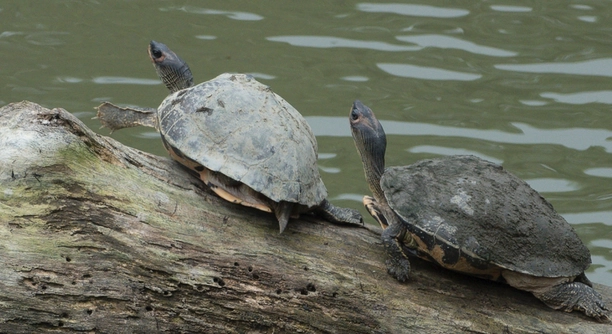
If your Indian Roofed Tortoise is digging but not laying eggs, you’re probably wondering what might be going on. It’s not unusual for tortoises to dig, but understanding why they may not be laying eggs can be a bit more complex.
There are several reasons why your Indian Roofed Tortoise may be digging but not laying eggs. These can range from environmental factors, such as the temperature and humidity of their habitat, to health issues like stress or improper diet.
Understanding these factors will help you provide the best environment for your tortoise. With some adjustments, you can encourage a healthy, happy egg-laying process for your pet.
Why Is Your Tortoise Digging?
Indian Roofed Tortoises are natural diggers. They do this to search for food, make a safe spot to rest, or even create a place to lay eggs. However, if your tortoise digs but doesn’t lay eggs, something might be off. It could be an indication that the conditions aren’t right for egg-laying, or there may be health concerns. It’s important to consider the temperature, humidity, and space within their enclosure. Tortoises may dig to find a cooler or warmer area, depending on their needs. Sometimes, they dig out of boredom or stress. In the wild, they dig to find food and shelter, so your pet’s digging behavior is quite natural. However, when they start digging excessively and don’t follow through with egg-laying, it could signal that something in their environment is out of balance. Providing a comfortable space for them to feel secure is key to making sure they lay eggs successfully.
While digging is common, your tortoise may also be expressing frustration or a lack of proper nesting space. The right environment can encourage egg-laying behavior.
A well-maintained enclosure, with a range of temperature and humidity levels, is essential. Create a designated area with soft soil or sand to help simulate natural nesting conditions. This will give your tortoise a place where it can dig and feel comfortable enough to lay eggs. If your tortoise doesn’t feel safe or doesn’t have a proper environment, it may continue digging without laying eggs. Keep in mind that tortoises sometimes dig simply to explore their surroundings, especially if they are in a new or unfamiliar space. Regular interaction and observation can help you understand what your pet needs.
Is the Temperature Right for Egg-Laying?
The temperature inside the enclosure plays a crucial role in whether your tortoise will successfully lay eggs.
The ideal range for an Indian Roofed Tortoise is between 80°F and 95°F (27°C to 35°C). Temperatures that are too high or low can prevent them from laying eggs properly. If the environment is too warm or too cold, the tortoise may not feel comfortable enough to lay eggs. Additionally, they may become stressed, affecting their overall health. To regulate the temperature, consider using heat lamps or ceramic heat emitters. The warmth helps with digestion and makes the environment more inviting for egg-laying. Adjust the heat source to make sure it stays within the correct temperature range. The enclosure should also have a cooler spot for your tortoise to retreat to, which mimics the natural variations in temperature that would occur outdoors. If the temperature is incorrect, it may be the reason your tortoise is digging but not laying eggs.
Is Your Tortoise Stressed?
Stress can be a big factor in why your tortoise is digging but not laying eggs.
Changes in its environment, handling, or even the presence of other animals can cause stress. If your tortoise feels threatened or insecure, it may dig as a way to cope. Make sure its space is calm, quiet, and consistent. Avoid too much handling, as this can stress them out. Also, check if the enclosure is overcrowded or if there are any loud noises that could disturb your tortoise. Stress can affect their overall health and make egg-laying difficult. Providing a stable, comfortable habitat is essential.
Another cause of stress may come from improper lighting. Tortoises need UVB lighting to regulate their circadian rhythm and overall well-being. If the light is too bright or not strong enough, your tortoise may feel unsettled. Ensure the enclosure has proper lighting cycles, mimicking the natural day-night pattern. A proper light source can help reduce stress, allowing your tortoise to relax and be more likely to lay eggs.
Diet and Nutrition
A poor diet can prevent your tortoise from laying eggs.
Make sure your tortoise has a balanced, varied diet that includes plenty of greens, vegetables, and some fruits. A lack of essential nutrients, like calcium and vitamin D3, can lead to reproductive issues. Tortoises need calcium for strong egg shells and healthy bones, so adding calcium supplements or providing cuttlebone can help. Be sure to offer a mix of foods to prevent nutritional deficiencies. Too many high-protein foods or foods with high oxalate content may also be harmful to your tortoise, leading to health issues. A proper diet can encourage egg-laying and overall well-being.
Also, dehydration can impact the egg-laying process. Make sure your tortoise has access to fresh water at all times. Some tortoises may also benefit from occasional misting or a shallow water dish where they can soak. Keeping your tortoise hydrated is just as important as providing the right nutrients. Regularly check their diet and water intake to ensure they have everything needed for a healthy reproductive system.
Health Issues That Affect Egg-Laying
Certain health conditions can prevent your tortoise from laying eggs.
Infections, parasites, or physical issues like egg-binding can make egg-laying difficult. If your tortoise is digging excessively but not laying eggs, it could be due to an internal problem. It’s important to monitor your tortoise’s behavior and look for signs of illness, such as lack of appetite or abnormal movement. A trip to the vet may be needed for a proper diagnosis and treatment. Make sure to get regular checkups to catch any health problems early.
If your tortoise shows signs of discomfort, such as lethargy or abnormal digging behavior, it’s time to seek veterinary care. Egg-binding, where eggs are retained in the body and not laid, is common in reptiles. Your vet can determine if this is the case and recommend the best treatment. Egg-binding can be life-threatening, so it’s important not to ignore it. Early intervention can often prevent complications, so keep an eye out for any strange behaviors that may indicate a health problem.
Space and Nesting Area
A suitable nesting area is key for egg-laying.
Ensure that your tortoise has enough space to dig and create a proper nesting site. Tortoises dig to create a safe place to lay eggs, so providing a soft, sandy area will help them feel secure. The depth of the substrate is also important; make sure it’s deep enough to allow digging. If the enclosure is too small or lacks suitable substrate, your tortoise may become frustrated and unable to lay eggs. A spacious, well-structured enclosure can make all the difference in encouraging egg-laying.
Age and Maturity
The age and maturity of your tortoise play a role in egg-laying.
If your tortoise is too young, it may not yet be ready to lay eggs. Female Indian Roofed Tortoises generally begin laying eggs around 5 to 7 years old. If your tortoise is younger than that, it may simply not be physically capable of laying eggs yet. Patience is key when waiting for egg-laying, as your tortoise will go through its natural maturation process in time. Keep its environment healthy, and ensure proper care while it grows.
FAQ
Why is my Indian Roofed Tortoise digging but not laying eggs?
If your tortoise is digging but not laying eggs, it could be a result of environmental issues, stress, or health concerns. Temperature and humidity are crucial for egg-laying. Ensure the enclosure mimics natural conditions with proper lighting, heat, and humidity. Stress can also prevent egg-laying, so make sure your tortoise feels secure and calm in its habitat. If these factors seem normal and the behavior persists, consider health problems like egg-binding or infections. A visit to the vet is always a good idea to rule out medical issues.
What should the temperature be for egg-laying?
The ideal temperature range for an Indian Roofed Tortoise to lay eggs is between 80°F and 95°F (27°C to 35°C). Too high or too low of a temperature can prevent egg-laying. You’ll need to provide a basking spot that is warmer, around 95°F (35°C), and cooler areas to allow your tortoise to regulate its body temperature naturally. Having the right gradient of temperatures in the enclosure helps your tortoise feel comfortable enough to lay eggs. A thermometer inside the tank will help you keep track of temperature levels.
How can I reduce stress in my tortoise?
Stress in tortoises can be triggered by a variety of factors, including overcrowding, loud noises, or a lack of proper hiding spaces. A calm and quiet environment will help ease your tortoise’s anxiety. If possible, limit handling to avoid additional stress. Be sure the enclosure is large enough for your tortoise to move around comfortably, and avoid introducing other animals that may make it feel threatened. Stress can significantly affect egg-laying, so it’s important to provide a consistent, peaceful habitat to encourage your tortoise to lay eggs.
What should I feed my tortoise to help with egg-laying?
A balanced diet is essential for your tortoise’s overall health and reproductive success. Indian Roofed Tortoises need a variety of greens, vegetables, and fruits. Ensure they get enough calcium, as this is vital for egg production. You can supplement their diet with cuttlebone or calcium powder. Avoid too much protein and foods that are high in oxalates, such as spinach, as they can interfere with calcium absorption. A well-rounded diet will improve your tortoise’s chances of laying healthy eggs. Don’t forget to provide fresh water regularly to prevent dehydration, which can also affect egg-laying.
What is egg-binding, and how can I tell if my tortoise has it?
Egg-binding is a serious condition where a female tortoise is unable to lay her eggs. This can occur due to a variety of reasons, including inadequate nesting space, stress, or health problems. Signs that your tortoise may be egg-bound include frequent digging, lethargy, loss of appetite, or swelling in the abdomen. If you suspect egg-binding, it is critical to consult a veterinarian immediately. Left untreated, egg-binding can be life-threatening. Providing a soft, deep substrate for digging and ensuring a calm environment can help prevent egg-binding.
How deep should the substrate be for egg-laying?
For proper egg-laying, the substrate in your tortoise’s enclosure should be deep enough to allow your tortoise to dig and bury the eggs. The ideal depth for the substrate is at least 4 to 6 inches (10 to 15 cm). This allows your tortoise to create a suitable nest. A mixture of sand and soil or coconut coir is ideal for encouraging digging. Make sure to check the substrate regularly, as it should stay clean and free of any mold or dampness.
How can I encourage my tortoise to lay eggs?
To encourage egg-laying, you need to create the right conditions. This includes maintaining an appropriate temperature and humidity level, providing a safe, quiet space, and offering a proper nesting area. If your tortoise is digging but not laying eggs, ensure it has enough space and the right depth of substrate. Additionally, check its diet for proper calcium intake and hydration. By mimicking the natural environment of a tortoise, you’ll help trigger egg-laying behavior. If these conditions are met and your tortoise is still not laying eggs, it could be time to consult a vet for advice.
Can my tortoise lay eggs without a mate?
Yes, female tortoises can lay eggs without a male. This process, known as “parthenogenesis,” occurs when the female tortoise produces eggs without fertilization. However, these eggs will not hatch into babies. It is common for female tortoises to lay eggs even if there is no male around, as they will still go through the reproductive cycle. If your tortoise is laying eggs without a mate, just ensure the environment is suitable for egg-laying and that you monitor for any health issues that could arise from laying unfertilized eggs.
Is there any way to tell if my tortoise is going to lay eggs soon?
There are a few signs that your tortoise may be preparing to lay eggs. One of the most common behaviors is increased digging, as the tortoise tries to find a suitable spot to lay its eggs. You may also notice changes in appetite or behavior, with some tortoises becoming more lethargic as they approach the egg-laying process. Some tortoises will appear swollen in the abdomen area, particularly if the eggs are developing inside them. Keep a close eye on your tortoise and offer a suitable nesting area to encourage egg-laying when the time comes.
What do I do if my tortoise doesn’t lay eggs after digging?
If your tortoise has been digging for an extended period but has not laid any eggs, it could be due to a variety of factors such as stress, improper nesting conditions, or health issues. First, check the environmental conditions in the enclosure. Make sure the temperature, humidity, and substrate are ideal for egg-laying. If everything seems fine and your tortoise continues digging without laying eggs, it could be a sign of egg-binding or other medical issues. In such cases, it’s important to consult a veterinarian to determine if there’s an underlying health problem.
Final Thoughts
If your Indian Roofed Tortoise is digging but not laying eggs, it’s important to consider a variety of factors that could be affecting its behavior. Many of these issues can be traced back to the environment, such as temperature, humidity, or the available space for digging. It’s crucial to ensure that your tortoise has a comfortable and stress-free habitat. Small adjustments like improving the temperature range, offering more substrate for digging, and providing a consistent lighting schedule can make a big difference in encouraging egg-laying behavior. A well-maintained environment helps your tortoise feel secure and at ease, which is necessary for healthy egg-laying.
Diet and hydration also play a significant role in your tortoise’s ability to lay eggs. Providing the right balance of nutrients, including calcium and vitamin D3, is essential for their reproductive system. Ensure your tortoise has access to fresh, clean water and a variety of greens, vegetables, and fruits. Without the proper nutrition, your tortoise might struggle to lay eggs or experience complications. Additionally, dehydration can hinder the process, so it’s important to keep their water bowl full and offer a chance to soak if needed. By addressing these basic care needs, you can create an environment that supports healthy egg-laying.
Lastly, if the conditions seem right but your tortoise continues to dig without laying eggs, it’s a good idea to check for any health issues. Conditions like egg-binding or infections can prevent egg-laying, and early intervention is key. If your tortoise shows signs of distress or abnormal behavior, don’t hesitate to consult a veterinarian. Identifying and treating any underlying health problems will not only help your tortoise lay eggs but also ensure its overall well-being. Keeping a close eye on your tortoise and responding to its needs will help create a better environment for it to thrive.

Hello,
If you enjoy the content that we create, please consider saying a "Thank You!" by leaving a tip.
Every little bit helps us continue crafting quality advice that supports the health, happiness, and well-being of pets around the world, for pets of all shapes, sizes, and species.
We really appreciate the kindness and support that you show us!