
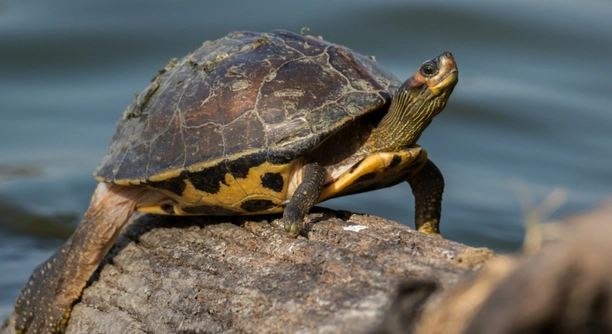
Indian Roofed Tortoises are fascinating creatures, often displaying unique behaviors that leave owners wondering what’s going on. One behavior that might catch your attention is when they climb on top of other tortoises.
This behavior is typically linked to dominance, territorial instincts, or mating rituals. Tortoises may climb on one another to assert control or during courtship. Sometimes, it can also be a sign of stress or an attempt to seek warmth.
Understanding why your tortoise climbs on others can help you manage their environment better. By knowing what’s behind the behavior, you can provide a happier and healthier space for them to thrive.
Reasons for Climbing Behavior
Indian Roofed Tortoises are naturally curious animals, and their climbing behavior may come from this trait. Climbing on other tortoises is often a way for them to explore their surroundings. They may also do it to get a better view of their environment, which helps them feel safer. Tortoises in the wild are used to navigating through various terrains, so when kept in a confined space, they may climb to satisfy their instinct to explore and assert themselves. This behavior is more noticeable when they feel crowded or stressed by their living situation.
Sometimes, climbing could be a sign of dominance. In their natural habitat, tortoises often compete for territory. Climbing on top of another tortoise could be an attempt to show that they are the stronger one in the group. When they feel the need to claim space or resources, this behavior becomes more common.
When there are multiple tortoises in one enclosure, the climbing may increase if there’s not enough space for each to have their own territory. Providing ample space can reduce the need for this type of behavior and help your tortoises feel more comfortable.
Potential Stress Factors
Tortoises are sensitive to their surroundings, and stress is a major factor in climbing behavior.
Stress in tortoises can arise from overcrowded enclosures, lack of hiding spots, or inadequate environmental conditions like temperature and humidity. Stressful conditions can lead to behaviors like climbing, as the tortoises try to find a safe place or retreat. To reduce stress, keep their habitat spacious and ensure proper temperature control.
Mating Behavior
Climbing on top of other tortoises is often part of their mating rituals. Male Indian Roofed Tortoises will climb onto females as a way of showing interest during the breeding season. This behavior is a natural instinct and helps them position themselves for mating.
Males typically exhibit more climbing behavior than females, especially when they are searching for a mate. In the wild, males will often climb onto females to assert their readiness to mate, and this behavior can extend to captive settings. However, it’s important to note that while this can be normal, excessive mounting may indicate a lack of space or the need for more females in a group.
When you observe this behavior, it’s helpful to assess the overall environment. If there are several males and only one female, the constant competition for attention might lead to more climbing attempts. Make sure the enclosure offers enough room for them to navigate and avoid overly stressful encounters.
Territorial Behavior
Indian Roofed Tortoises are territorial animals. They can climb on top of others as a way of asserting dominance over a particular space or resource.
In nature, tortoises defend their territory to ensure they have access to food, shelter, and a safe environment. When they feel threatened or need to claim a space within a shared enclosure, they may use climbing as a form of asserting control. This can be especially noticeable in enclosures that are too small, where tortoises may feel the need to compete for the best spots.
To reduce territorial disputes, ensure there is enough space for each tortoise to establish its own territory. Providing hiding spots, separate feeding areas, and multiple basking locations can help minimize the competition and reduce the climbing behavior.
Stress from Poor Habitat Conditions
Climbing on other tortoises may also be a response to poor habitat conditions. Tortoises need specific temperature and humidity levels to feel comfortable.
When their environment isn’t ideal, they may climb as a way of escaping stress or seeking warmth. Inconsistent heat or humidity can make them feel unsafe, pushing them to climb for comfort.
Ensuring your tortoises’ enclosure is the right temperature and humidity will help alleviate stress. Use a thermometer and hygrometer to monitor these levels and adjust as needed. This can reduce unwanted climbing and make them feel secure.
Lack of Space
If your enclosure is too small, tortoises might feel crowded. This can cause climbing as they try to find personal space.
Tortoises need room to roam and establish their own territory. If they are forced to share limited space, they may climb on top of others to assert their dominance or just to get away from the crowd.
A larger enclosure with enough hiding spots, basking areas, and places to explore will help reduce this behavior.
FAQ
Why does my tortoise climb on top of other tortoises?
Tortoises climb on top of one another for several reasons. It could be a sign of dominance or an attempt to establish territory. During mating season, males may climb on females to show interest. If the tortoises are kept in a crowded enclosure, climbing may also result from stress or lack of space. It’s important to observe the behavior in the context of the environment to understand the cause.
How can I stop my tortoise from climbing on others?
To reduce climbing behavior, the first step is to ensure your tortoises have enough space. Overcrowding is a common cause of climbing. Providing a larger enclosure with various hiding spots, basking areas, and food sources can help. Additionally, maintaining proper temperature and humidity levels will make them feel more secure, thus reducing stress and climbing.
Is climbing a sign of aggression?
Climbing can sometimes indicate aggression, especially if one tortoise is persistently climbing over another. This behavior can be a form of asserting dominance or trying to claim territory. However, if it occurs during mating season, it could simply be part of the natural courtship ritual. It’s important to observe other signs of aggression, such as biting or head bobbing, to confirm if there’s a deeper issue.
Should I separate tortoises that are climbing on each other?
If the climbing behavior is frequent and causing distress, it might be helpful to separate the tortoises. This can be especially important if one is being bullied or stressed by the constant climbing. Providing separate enclosures or creating distinct territories within the same space can alleviate tension. Be sure to monitor the tortoises to ensure their well-being.
Can I keep multiple tortoises together in the same enclosure?
Yes, you can keep multiple tortoises together, but it depends on their species and the size of the enclosure. Indian Roofed Tortoises can often coexist peacefully if there’s enough space and resources for each tortoise. It’s crucial to monitor their behavior to ensure they aren’t competing too aggressively for food, space, or territory. If necessary, separate the tortoises to prevent stress or harm.
What are the signs of stress in tortoises?
Common signs of stress in tortoises include excessive climbing, pacing, hiding, or changes in eating habits. They may become more aggressive or withdrawn, and their shell might show signs of abnormal growth or damage. Stress can result from environmental factors such as overcrowding, improper temperatures, or lack of hiding spots. Keeping track of these behaviors and adjusting their environment is essential for their health.
How much space do tortoises need to prevent climbing?
Tortoises need a spacious environment where they can move freely without feeling confined. A general rule is that each tortoise should have at least 10 square feet of space, but this varies depending on the species. For Indian Roofed Tortoises, the larger the enclosure, the better. The more space they have to roam, the less likely they will feel the need to climb on each other.
Is climbing normal during mating season?
Yes, climbing is normal during mating season, especially for males. Males will climb on females to show interest and initiate courtship. This behavior typically occurs in the wild and in captivity. However, if the climbing behavior continues outside of the mating season, it could indicate stress or territorial issues. Monitoring your tortoises during mating season will help you understand the context of their actions.
Can climbing cause injury to my tortoises?
Climbing itself is generally not harmful, but it can lead to injury if the tortoises fall or are involved in aggressive behavior. If one tortoise is constantly climbing on another, it may cause stress or lead to biting, which could result in injuries. To prevent this, make sure the enclosure is large enough for each tortoise to move freely and comfortably.
How do I create a more comfortable environment for my tortoises?
To create a comfortable environment, ensure that the enclosure is spacious, well-lit, and has proper humidity and temperature. Provide multiple hiding spots, basking areas, and water sources so that each tortoise has access to what it needs. Keep the enclosure clean and avoid overcrowding to reduce stress. A comfortable habitat will help reduce climbing behavior and keep your tortoises happy.
Should I add more females to my tortoise group?
If you have multiple males and only one female, this can lead to excessive climbing as the males compete for attention. Adding more females can help balance the group and reduce competition among males. However, make sure the enclosure is large enough to accommodate the additional tortoises.
Final Thoughts
Understanding why your Indian Roofed Tortoise climbs on top of other tortoises is important for creating a comfortable and healthy environment. Whether it’s due to mating behavior, territorial instincts, or stress, knowing the root cause can help you manage the situation better. This behavior is natural, but it can also be a sign that something in the environment needs to be adjusted. By observing your tortoises and making simple changes, you can reduce unwanted climbing and improve their overall well-being.
The key to managing climbing behavior is ensuring that your tortoises have enough space. Overcrowding is one of the biggest reasons tortoises may start climbing on each other. If they don’t have enough room to roam, they may feel stressed or compete for territory, leading to climbing. Providing ample space, hiding spots, and multiple basking areas will help reduce this behavior. It’s also important to check that the temperature and humidity levels in the enclosure are ideal for their needs. A comfortable, well-maintained environment is essential to keeping your tortoises happy and healthy.
If you continue to notice climbing despite making adjustments to their habitat, consider separating the tortoises temporarily. Sometimes, individual space is needed for them to feel secure. If you have males and females, keep in mind that climbing can also be linked to mating behavior, so take that into account when making changes. Monitoring their interactions and responding accordingly will help you maintain a peaceful living space for your tortoises.

Hello,
If you enjoy the content that we create, please consider saying a "Thank You!" by leaving a tip.
Every little bit helps us continue crafting quality advice that supports the health, happiness, and well-being of pets around the world, for pets of all shapes, sizes, and species.
We really appreciate the kindness and support that you show us!