
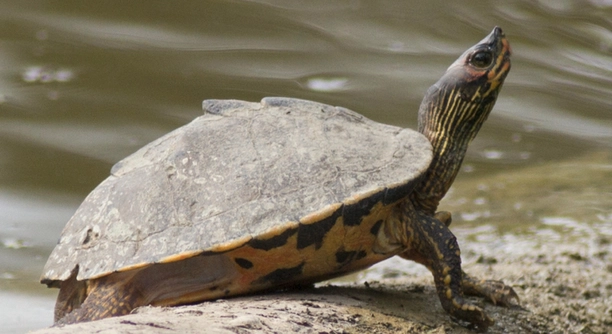
An Indian Roofed Tortoise is a fascinating creature, but at times, it may struggle to maintain its balance. There are several factors that can affect its stability, and it’s important to know what to look for.
Several factors, such as improper diet, physical injury, environmental stress, or health issues, can cause an Indian Roofed Tortoise to lose its balance. It’s essential to observe and address these issues quickly to maintain its well-being.
Understanding what causes balance problems is key to ensuring your tortoise stays healthy. Identifying these factors early can make a huge difference in its care.
Improper Diet and Nutritional Deficiencies
An improper diet is one of the most common causes of an Indian Roofed Tortoise losing its balance. Tortoises need a balanced diet that includes a variety of vegetables, fruits, and occasional protein sources. If your tortoise lacks essential nutrients like calcium, vitamin D3, and fiber, it can lead to weakness, instability, and difficulty walking. A poor diet can also weaken its shell, affecting its posture. Make sure to provide the right mix of foods and consider supplements if necessary. Without the right nutrition, your tortoise’s health will decline, and balance issues will persist.
A healthy tortoise should have a diet full of leafy greens and some fruit. You might want to add a vitamin supplement to prevent deficiencies.
If you notice your tortoise losing its balance, the first thing to check is its diet. Insufficient calcium, for example, can cause bone issues and affect its ability to move properly. Calcium is vital for healthy shell growth and strength. A calcium-rich diet will prevent these issues and keep your tortoise’s balance intact. In addition to calcium, vitamin D3 is important for proper calcium absorption. Make sure to provide foods like kale, dandelion greens, and a small amount of fruit to support their overall health. You can also consider dusting the food with calcium powder if your tortoise is not getting enough from its diet. Maintaining a balanced diet is essential for the overall health and well-being of your tortoise.
Physical Injuries and Trauma
Physical injuries can easily lead to balance problems in tortoises. Accidental falls, being stepped on, or even fighting with other animals can cause internal or external injuries. These injuries may not always be visible immediately but can affect their ability to walk or move properly. Tortoises may suffer from fractures, dislocated joints, or sprains that interfere with their coordination.
Injuries can range from minor bruises to severe fractures. You should examine your tortoise regularly for signs of trauma.
If your tortoise shows signs of injury, whether it’s limping, struggling to move, or favoring one side, you should immediately consult a vet. Even if no external injuries are visible, internal damage may occur, affecting its stability. In some cases, minor injuries might heal on their own with proper care and rest, but more serious injuries will need immediate attention. If your tortoise has a fractured leg or shell, it may struggle with balance and require medical intervention. Make sure to provide a safe environment where your tortoise won’t get hurt, and watch for signs of trauma that can affect its movement. Proper care and quick treatment can prevent further complications.
Environmental Stress and Temperature Fluctuations
Environmental stress, including sudden temperature changes, can affect your tortoise’s balance. A tortoise’s body is highly sensitive to its surroundings. If the temperature is too high or too low, it can cause lethargy, muscle weakness, and a lack of coordination.
Maintaining a stable temperature is crucial for their health. They need a warm basking area and a cooler area to regulate body temperature. Fluctuating temperatures can confuse their internal systems, leading to instability.
If the habitat is too cold, it can cause your tortoise to become sluggish and struggle with movement. Likewise, if the environment is too hot, dehydration and heat stress can affect its balance and behavior. The optimal range for an Indian Roofed Tortoise is between 80°F to 90°F during the day, with a cooler area between 70°F to 75°F. Proper temperature regulation can reduce stress and keep your tortoise active and balanced. If temperature changes are frequent or extreme, consider investing in a more reliable heating system to provide a consistent environment.
Illnesses and Health Conditions
Illnesses can easily cause a tortoise to lose its balance, especially if they affect the neurological or musculoskeletal systems. Respiratory infections, for instance, can make a tortoise weak and unable to move properly.
Health conditions like metabolic bone disease or vitamin deficiencies can also make movement harder. If your tortoise is lethargic or refusing food, it’s a sign something is wrong.
Metabolic bone disease occurs when your tortoise doesn’t get enough calcium or vitamin D3, making bones brittle and weak. This can directly impact its ability to maintain proper balance. Likewise, respiratory infections affect the lungs and overall health, making movement sluggish. If your tortoise struggles with balance, it’s essential to get a proper diagnosis from a veterinarian. Regular check-ups and a proper diet can help prevent such issues. Be sure to monitor for changes in appetite, behavior, and activity levels. Treating illnesses early can help avoid further complications.
Overfeeding and Obesity
Overfeeding your tortoise can lead to obesity, which can affect its balance. An overweight tortoise struggles to move properly, and its overall health may decline. Too much food, especially high-fat or high-protein options, can also cause this issue.
Obesity can lead to other problems, such as shell deformities and organ stress. It’s important to control portions and provide the right types of food.
An overweight tortoise may have difficulty walking, turning, or climbing. Its body becomes strained under excess weight, making it hard for the tortoise to balance itself. To prevent this, stick to a proper feeding schedule, limiting treats and high-calorie foods.
Dehydration
Dehydration can cause a tortoise to lose its balance and become weak. If a tortoise doesn’t have access to fresh water, or if its diet lacks moisture, it will become dehydrated.
Dehydration can lead to lethargy and trouble walking. Always ensure your tortoise has enough water, especially in warm weather.
A lack of hydration can affect its digestion and mobility, leading to more severe health problems. To avoid this, provide a shallow water dish, and consider moistening its food to encourage water intake. Dehydration weakens your tortoise’s muscles, which impacts its ability to stay balanced.
FAQ
How can I tell if my tortoise is losing its balance?
If your tortoise is having difficulty walking, turning, or stands in an unusual position for too long, it might be losing its balance. Look for signs like stumbling, tilting, or walking in circles. A tortoise struggling to get up after being on its back could also be a red flag. Additionally, you may notice it avoiding movement or seeming lethargic. Regular observation of its behavior can help identify early signs of imbalance.
What should I do if my tortoise loses its balance?
First, assess its environment and diet. Make sure its habitat is free from temperature fluctuations, and that it’s receiving a balanced diet with adequate calcium and vitamin D. If the problem persists, consult a veterinarian for a thorough checkup. They may test for infections, injuries, or underlying health issues that could be causing the instability.
Can stress affect my tortoise’s balance?
Yes, stress can negatively impact a tortoise’s balance. Environmental factors, like noise, sudden movements, or frequent handling, can stress your tortoise out. Stress can cause it to become more sluggish or unstable. Creating a calm and quiet environment, along with ensuring proper lighting and temperature, will help keep your tortoise stress-free and more balanced.
Can my tortoise’s shell affect its balance?
A tortoise’s shell plays a significant role in its ability to maintain balance. If its shell becomes deformed due to injury, disease, or poor nutrition, it can cause instability. Metabolic bone disease, for example, can lead to a soft or weakened shell, affecting its structural integrity. Ensure your tortoise gets the necessary nutrients, especially calcium, to keep its shell strong.
Is it safe to feed my tortoise high-protein foods?
Tortoises should not have too much protein in their diet, as it can lead to health problems like kidney damage or obesity. A high-protein diet, especially one from animal sources, may cause excessive growth and stress on their bodies. Stick to leafy greens, occasional fruits, and safe vegetables. Protein should only be a small part of their diet.
How can I improve my tortoise’s diet to prevent balance issues?
A balanced diet rich in fiber and calcium is essential for a healthy tortoise. Provide a variety of leafy greens like kale, dandelion greens, and collard greens. Add some vegetables like squash or bell peppers and occasional fruits, but limit sugary or high-calcium foods. Supplementing with calcium powder or cuttlebone can prevent deficiencies. Avoid feeding too much protein or high-fat foods.
How can I tell if my tortoise is dehydrated?
Signs of dehydration in a tortoise include dry, wrinkled skin, sunken eyes, and a lack of appetite. A dehydrated tortoise might also be lethargic and avoid movement. Make sure your tortoise always has access to fresh water, and you may need to moisten its food, especially if it’s not drinking enough. Providing water in a shallow dish can encourage drinking.
What are the best temperature ranges for my tortoise?
Indian Roofed Tortoises thrive in a temperature range of 80°F to 90°F during the day, with a cooler area between 70°F and 75°F. Providing a basking spot that reaches around 95°F is ideal. These temperature ranges help them regulate their body temperature and avoid stress, which could affect their balance and health.
How much should I feed my tortoise?
Overfeeding can lead to obesity, which will affect your tortoise’s balance. A good rule of thumb is to feed your tortoise the equivalent of its body size in food each day. For an adult, this typically means a variety of leafy greens and some vegetables. Limit high-calorie foods and treats to avoid overfeeding.
Can I let my tortoise roam freely outside?
Yes, but only if the weather is warm and the area is safe. Ensure there are no predators, and the environment is free from hazards like sharp objects or toxic plants. Always supervise outdoor time to prevent accidents. A secure, enclosed outdoor area can offer your tortoise more space to move around and exercise.
How do I handle a tortoise with a health issue causing balance problems?
If you suspect your tortoise has a health problem, the best course of action is to visit a vet experienced with reptiles. They can diagnose conditions like respiratory infections, metabolic bone disease, or neurological issues that may be affecting your tortoise’s balance. Early treatment is important for a positive outcome.
Is it common for tortoises to lose their balance?
While it’s not common, it does happen. Losing balance can be a sign of underlying health issues, such as nutritional deficiencies, injury, or illness. If balance problems occur suddenly or worsen, it’s important to seek professional help quickly to prevent long-term health effects.
Can temperature changes cause my tortoise to lose its balance?
Yes, sudden changes in temperature can lead to stress or weakness, making it hard for your tortoise to stay balanced. Consistent temperature is essential for their digestion, metabolism, and overall health. Ensure the environment has both a warm basking area and a cooler hiding spot for proper thermoregulation.
Final Thoughts
When an Indian Roofed Tortoise loses its balance, it’s usually a sign that something is wrong. The causes can vary from poor diet, injuries, and environmental stress, to more serious health issues. It’s important to pay attention to your tortoise’s behavior and surroundings to ensure it’s comfortable and healthy. Small changes in their diet or habitat could make a big difference in improving its stability. A healthy tortoise should move around freely and be able to balance itself without difficulty. If it’s struggling, identifying the cause early is key to getting it back to full health.
A proper diet plays a crucial role in maintaining your tortoise’s health and balance. Tortoises need a variety of leafy greens, a small amount of fruit, and calcium-rich foods. An imbalanced diet can lead to health problems that affect movement, such as metabolic bone disease or weak muscles. Avoid overfeeding, and make sure to provide the right balance of nutrients. If you’re unsure about your tortoise’s diet, consider consulting a vet for recommendations. The food you offer is essential in helping your tortoise stay strong and move easily, preventing balance issues caused by malnutrition.
Lastly, creating a stable, stress-free environment is just as important as diet and health. Sudden temperature changes, loud noises, or too much handling can all cause stress, which may lead to balance problems. Make sure your tortoise has a comfortable, quiet place to rest, with the proper temperature and humidity. Regular check-ups with a vet can also help catch any health issues early before they affect your tortoise’s ability to move. By taking these steps to care for your tortoise, you can help ensure it stays healthy and balanced for years to come.

Hello,
If you enjoy the content that we create, please consider saying a "Thank You!" by leaving a tip.
Every little bit helps us continue crafting quality advice that supports the health, happiness, and well-being of pets around the world, for pets of all shapes, sizes, and species.
We really appreciate the kindness and support that you show us!