
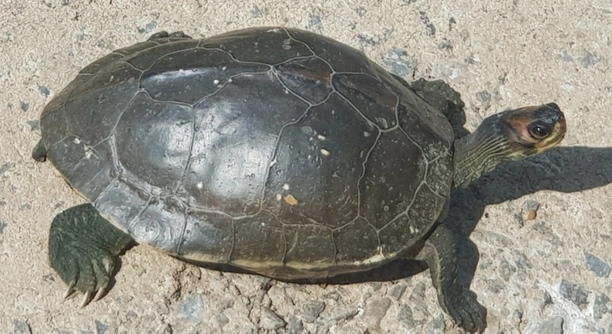
Indian Roofed Tortoises are fascinating pets that may sometimes exhibit odd behaviors. One of these is their tendency to burrow, which often leaves owners wondering what motivates this activity and how it affects their health.
Indian Roofed Tortoises burrow for a variety of reasons, including seeking comfort, regulating temperature, or finding a safe hiding spot. This behavior is natural and may also indicate stress, lack of space, or the desire for solitude.
Understanding the factors behind this behavior can help you create a better environment for your tortoise. We’ll go over the most common reasons for this activity and provide some tips to improve their habitat.
Why Do Indian Roofed Tortoises Burrow?
Burrowing is an instinctive behavior for Indian Roofed Tortoises. In the wild, they dig to find shelter, regulate body temperature, or escape predators. When in captivity, burrowing can serve a similar purpose. Your tortoise might dig to feel secure or even to create a cool, dark space when it feels too warm or stressed. If your pet burrows excessively, it may also be trying to hide from external threats or noise.
A tortoise may also burrow because it feels more comfortable in enclosed spaces. This instinct is closely tied to their survival instincts in the wild. Even though they’re safe in your home, this behavior helps them manage stress and find a sense of control over their environment.
To ensure your tortoise feels comfortable and secure, providing a proper habitat is key. Use a deep substrate to encourage natural digging, and make sure the enclosure is spacious. Temperature control is important too, so the tortoise can regulate its body heat.
Stress Can Cause Burrowing
Stress is another reason why your tortoise might be digging. If it feels threatened by loud sounds, unfamiliar smells, or changes in its environment, burrowing can be its way of coping.
Stress can also stem from inadequate space or lack of hiding places. Tortoises are creatures of habit and need time to adjust to their surroundings. If your pet has been introduced to a new environment or is placed with other animals, it may feel anxious and dig more frequently.
To reduce stress, it’s essential to maintain a consistent environment. A quiet area away from high traffic and loud noises can help. Adding more hiding spots, such as tunnels or plants, provides security and reduces anxiety.
Temperature Regulation
Tortoises are cold-blooded, meaning they rely on their environment to control their body temperature. If your tortoise is burrowing, it may be trying to regulate its temperature. Burrowing into the substrate helps them escape from heat if the enclosure is too warm.
A cooler spot can help your tortoise feel more comfortable. In nature, they often dig to find cooler ground during the hotter parts of the day. In captivity, a well-maintained temperature gradient in the enclosure is essential. By having both warmer and cooler areas, you give your tortoise options to control its body heat.
If you notice excessive burrowing, check your habitat’s temperature. Ensure there’s a cool area where your tortoise can retreat. Using a thermometer to monitor the enclosure’s heat can also help keep everything balanced and prevent overheating.
Enclosure Size and Space
An overcrowded or small enclosure may lead to more burrowing. Tortoises need ample space to roam and feel secure. If the enclosure is too small, your tortoise may dig to find more space or try to escape.
A large enough enclosure gives your tortoise room to explore, dig, and hide when it feels like it. It’s important to create an environment that mimics its natural habitat as much as possible. If you provide enough space and hideaways, your tortoise will feel safer and less inclined to dig excessively.
Check the size of your pet’s enclosure regularly and ensure it is appropriate for its age and size. A spacious, enriched environment will reduce the stress of confinement and help prevent unnecessary burrowing.
Natural Instincts
Burrowing is a natural instinct for Indian Roofed Tortoises. In the wild, they dig to create hiding spots or shelters, which helps them stay safe from predators and extreme weather. This behavior is deeply ingrained and remains even when they’re kept as pets.
Even though your tortoise is safe indoors, its instinct to burrow can still be triggered. Providing a suitable substrate to burrow into helps fulfill this need. Your tortoise may feel more at ease if it can create a space to rest, as this mimics its natural survival habits.
Digging for Food
Sometimes, tortoises burrow because they instinctively look for food. In the wild, they may dig in search of roots, insects, or plants. Even in captivity, this behavior can carry over as a sign of searching for something to eat.
To prevent unnecessary burrowing for food, be sure to feed your tortoise regularly and in adequate amounts. Offering fresh vegetables, greens, and other tortoise-safe foods at consistent times can help reduce this behavior.
Health and Wellness
If your tortoise is burrowing excessively or in unusual ways, it might be a sign of health issues. Illness or discomfort can sometimes cause them to dig as they try to find relief or a safe space.
Check for signs of lethargy, difficulty moving, or changes in appetite. If you suspect a health problem, a visit to the vet can help address any concerns.
FAQ
Why is my Indian Roofed Tortoise constantly digging?
Your tortoise might be digging because it’s trying to regulate its body temperature, find food, or create a safe space. If it’s too hot, it will burrow to cooler ground. It’s also a natural behavior that comes from their instincts to hide from predators or find shelter in the wild.
How deep should the substrate be for my tortoise to burrow?
The substrate should be deep enough to allow your tortoise to burrow comfortably. A depth of at least 4 to 6 inches is ideal for smaller tortoises, but for larger ones, the substrate should be deeper—around 8 to 12 inches. This allows them to dig without hitting the bottom of the enclosure.
Can stress cause excessive burrowing?
Yes, stress is one of the main reasons for excessive burrowing. Your tortoise might dig more if it feels threatened by loud noises, changes in its environment, or if it’s housed with other animals. Stress can also stem from being housed in too small an enclosure or having a lack of hiding spaces.
Should I worry if my tortoise digs a lot?
If the digging is excessive, it could indicate that your tortoise is stressed or uncomfortable. However, burrowing is natural, and some tortoises dig more than others. If your tortoise is otherwise healthy, eating well, and moving normally, it’s usually nothing to worry about. Just make sure its environment is suitable.
How do I make my tortoise’s enclosure more comfortable for burrowing?
To make your tortoise’s enclosure more comfortable, ensure the substrate is deep enough and made of materials like coconut coir, aspen shavings, or a mix of sand and soil. These materials are suitable for digging. Provide areas with both cooler and warmer temperatures, and include hiding spots like logs or plants.
Is burrowing normal for baby tortoises?
Yes, baby tortoises often burrow more than adults. They may feel more vulnerable and instinctively dig to find safety or warmth. It’s important to provide a safe, appropriately sized space for them to explore and burrow as they grow. Make sure the temperature and humidity are well-regulated.
Can I stop my tortoise from digging?
While you can’t fully stop a tortoise from digging, you can reduce the behavior by ensuring its environment is comfortable. Provide a spacious, calm enclosure with the right temperature gradient, and give your tortoise hiding spots and things to climb on. Avoid sudden changes in its routine or surroundings.
What happens if my tortoise digs too much?
If your tortoise digs too much, it might be a sign of stress, overcrowding, or discomfort. Excessive burrowing could also lead to injury if the substrate is not deep enough or if the burrow collapses. Ensure the enclosure has enough space and proper heating to reduce digging.
How often should I check my tortoise’s enclosure for burrows?
It’s a good idea to check your tortoise’s enclosure regularly to ensure the burrows aren’t causing any issues. Check for collapses or signs of stress, such as your tortoise spending too much time in one spot. Regularly changing the substrate can also keep the environment clean and safe for burrowing.
Can I add other tortoises to the same enclosure?
Adding other tortoises can sometimes cause stress, especially if the enclosure isn’t large enough. Tortoises can be territorial, and overcrowding may lead to more burrowing or aggression. If you choose to add another tortoise, make sure the enclosure is large enough to provide each one with ample space and hiding spots.
Why does my tortoise dig and then stop?
It’s normal for tortoises to dig in short bursts. They might dig to find a comfortable spot, regulate their body temperature, or feel secure. After a while, they may stop if they’ve found a suitable place to rest or if their needs are met. This behavior can vary depending on the tortoise’s mood and environment.
Should I be concerned if my tortoise digs and buries itself?
Tortoises often bury themselves to sleep or rest, especially if they’re feeling safe and comfortable. However, if the digging is excessive or they seem lethargic after burying themselves, it might be a sign of stress or illness. Monitor your tortoise’s behavior and check for any signs of health issues, like lack of appetite or abnormal movement.
What are the best materials for a tortoise’s substrate?
The best materials for a tortoise’s substrate are those that can support burrowing and retain moisture without being too wet. Coconut coir, aspen shavings, and a mix of sand and soil are excellent choices. These materials allow for proper digging, prevent mold, and maintain a clean environment.
Can burrowing lead to health problems for my tortoise?
Burrowing itself doesn’t typically cause health problems, but improper substrate or excessive digging in a small space can lead to injuries. If your tortoise burrows into a corner or gets trapped, it could harm itself. Ensure the substrate is deep enough and the space is large enough to prevent this.
Do tortoises dig for fun?
Tortoises don’t dig for fun in the way humans might engage in hobbies. Burrowing is an instinctive behavior that helps them feel secure or find food. However, some tortoises may seem to enjoy digging, especially if they have the right environment and plenty of space to explore.
Can temperature changes cause my tortoise to dig?
Yes, temperature fluctuations can cause your tortoise to dig. If it gets too hot, it may dig to find a cooler spot. Similarly, if it gets too cold, your tortoise might burrow to seek warmth. Maintaining a stable temperature range in the enclosure helps reduce the need for this behavior.
Is there a risk of my tortoise escaping by digging?
If your tortoise’s enclosure is not secure, it might dig its way out. Make sure the walls are high enough and the substrate is deep enough to prevent escape. Check that the enclosure is free of gaps, and secure the substrate around the edges to avoid any issues.
Final Thoughts
Burrowing is a natural behavior for Indian Roofed Tortoises, and it’s something that many pet owners observe. Whether it’s to find a cooler spot, escape stress, or simply follow instincts, burrowing plays an important role in your tortoise’s life. It’s not always a sign of trouble, but understanding the reasons behind it can help ensure your pet stays healthy and comfortable.
By providing the right environment, you can support your tortoise’s natural behaviors while also keeping it happy and healthy. A spacious enclosure with the right temperature gradients, plenty of hiding spots, and a deep, suitable substrate will help fulfill your tortoise’s need to dig. It’s also important to regularly check for signs of stress or illness, as these could be factors that influence excessive burrowing. Your tortoise’s comfort and well-being depend on meeting its physical and psychological needs.
Ultimately, understanding why your tortoise burrows and making small adjustments to its environment can prevent stress and promote its overall health. While burrowing is an instinctive behavior, it shouldn’t be ignored if it’s linked to larger issues like stress or poor habitat conditions. With the right care and attention, your tortoise will continue to thrive in its home.

Hello,
If you enjoy the content that we create, please consider saying a "Thank You!" by leaving a tip.
Every little bit helps us continue crafting quality advice that supports the health, happiness, and well-being of pets around the world, for pets of all shapes, sizes, and species.
We really appreciate the kindness and support that you show us!