
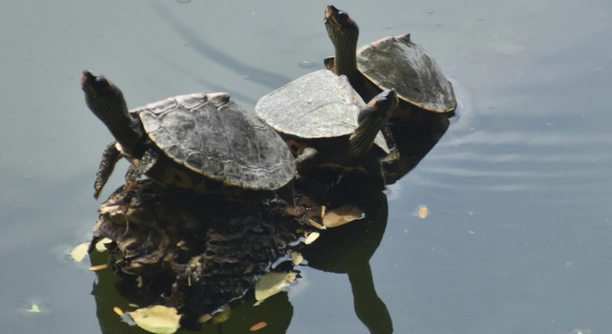
Indian roofed tortoises are unique and fascinating creatures. As a pet owner, it is essential to provide the right care to ensure their well-being. However, some common mistakes can negatively impact their health if you’re not careful.
Certain mistakes can harm your Indian roofed tortoise’s health. These include improper diet, inadequate habitat, lack of proper temperature, and insufficient hydration. Ignoring their specific needs can lead to stress, illness, or even premature death.
Understanding these mistakes can help you provide the best care possible. It’s important to know what to avoid and how to create a healthy environment for your tortoise.
Inadequate Diet and Improper Feeding Habits
One of the most common mistakes owners make is feeding their Indian roofed tortoise an improper diet. These tortoises are herbivores and thrive on a diet rich in leafy greens, grasses, and some fruits. Offering too much fruit or protein can disrupt their digestion and cause health issues. Some owners might give them foods that are too high in calcium or phosphorus, creating an imbalance that affects their bones and overall well-being.
A balanced diet is crucial for their health. Ensure the food is varied and appropriate for their age. Regularly provide fresh greens like dandelion leaves, clover, and grass, which should be the main components of their meals.
Additionally, providing fresh water is just as important. It helps with digestion and hydration. Without proper hydration, your tortoise can become lethargic or even develop kidney problems. Offering fresh, clean water daily will keep them hydrated and healthy.
Improper Habitat Setup
Another mistake many tortoise owners make is not setting up an appropriate habitat. The space your tortoise lives in must mimic their natural environment to some extent. A dry, unclean enclosure with limited space can lead to stress and even illness.
Indian roofed tortoises require a large, secure outdoor enclosure if possible, or a spacious indoor tank. They need areas to bask in warmth, cool off in shade, and roam around. A small tank without proper hiding spots and surfaces for climbing may not be enough.
To recreate their natural habitat, provide a mix of dry and damp areas in the enclosure, a heat source to maintain an appropriate temperature, and plenty of space for them to move around. Adding some rocks and hiding spots can reduce stress and give your tortoise a sense of security.
Incorrect Temperature and Lighting
Tortoises need a specific temperature range to stay healthy. If the temperature is too low or too high, they can experience stress or health problems like respiratory infections. Ensure your tortoise has a basking area with a heat source that reaches around 95°F to 100°F.
A proper lighting setup is also important. UVB lighting is essential for their shell and bone health, as it helps them process calcium. Without adequate UVB exposure, your tortoise could develop metabolic bone disease. A good UVB light should be placed near the basking area and replaced regularly.
Maintaining a temperature gradient within their enclosure is key. It allows your tortoise to move between warm and cooler areas as needed. A cooler zone around 75°F will give them the chance to regulate their body temperature properly.
Overlooking Hydration
Some owners neglect the importance of hydration. While tortoises do not need to be in water constantly, they must have access to fresh water regularly. Dehydration can lead to serious health problems, including kidney issues.
Providing a shallow water dish where your tortoise can soak is a good idea. This also helps them stay hydrated and may even encourage them to drink more. Keep the water dish clean and change it daily to avoid bacteria build-up.
Sometimes tortoises can absorb water from soaking in a shallow dish. It mimics natural behaviors and can be beneficial for maintaining hydration. Keeping your tortoise hydrated is just as important as their diet in maintaining long-term health.
Lack of Proper Enrichment
Indian roofed tortoises need mental and physical stimulation to thrive. Without sufficient enrichment, they may become bored and stressed, leading to unhealthy behaviors. Providing different textures, climbing structures, and hiding spots will help engage them.
Consider adding things like logs, rocks, or branches to their habitat to encourage natural exploration. Tortoises enjoy digging, so giving them a substrate that allows for digging can reduce stress. It will also keep them active and engaged.
Incorrect Handling
Handling your tortoise too frequently or roughly can cause unnecessary stress. It’s important to handle them gently and minimally. Constant handling can lead to anxiety and other health problems.
Try to interact with your tortoise calmly and allow them to come out of their shell on their own terms. Avoid grabbing them too tightly or pulling them out of their habitat frequently, as this can lead to fear or injury.
Neglecting Regular Vet Check-ups
Regular vet check-ups are essential for maintaining your tortoise’s health. A qualified reptile vet can detect early signs of illness before they become serious. Even if your tortoise seems healthy, a yearly visit can help monitor their overall condition.
FAQ
What is the best diet for an Indian roofed tortoise?
The ideal diet for an Indian roofed tortoise consists mostly of leafy greens, grasses, and a small amount of fruit. You can offer them dandelion greens, clover, collard greens, and hibiscus leaves. Fruits should only be given occasionally in small portions. Avoid feeding them high-protein foods, as these can cause health issues.
How much space does an Indian roofed tortoise need?
Indian roofed tortoises need a spacious enclosure to thrive. For an indoor setup, aim for at least a 40-gallon tank for a single adult, but bigger is always better. If possible, provide them with an outdoor space to roam and explore. The more room they have, the better for their physical and mental health.
How often should I clean my tortoise’s enclosure?
Cleaning the enclosure should be done regularly to maintain a healthy environment. You should spot clean daily, removing waste and uneaten food. Full cleanings should be done at least once a week, replacing any substrate and sanitizing the tank to prevent bacteria build-up.
Do Indian roofed tortoises need UVB lighting?
Yes, UVB lighting is essential for Indian roofed tortoises. It helps them synthesize vitamin D3, which is necessary for calcium absorption and shell health. The UVB light should be positioned near the basking area and replaced every 6 to 12 months, as its effectiveness decreases over time.
Can I keep multiple Indian roofed tortoises together?
While it is possible to keep multiple tortoises together, it requires careful consideration. Male tortoises can be territorial, and fights may occur, especially during mating seasons. It’s best to house one male and one female or keep multiple females together. Always ensure there is enough space for all of them.
What temperature should the enclosure be?
The basking area of the enclosure should be kept between 95°F and 100°F to help your tortoise digest food properly. The rest of the enclosure should have a temperature gradient, with the cooler side around 75°F to 80°F. Avoid drastic temperature fluctuations, as they can stress your tortoise.
How can I tell if my tortoise is sick?
Signs of illness in Indian roofed tortoises include lethargy, loss of appetite, wheezing or labored breathing, nasal discharge, or abnormal shell appearance. If you notice any of these symptoms, it’s essential to take your tortoise to a reptile vet immediately for proper diagnosis and treatment.
How often should I feed my Indian roofed tortoise?
You should feed your tortoise once a day. Ensure that you provide a fresh variety of leafy greens and grasses. Monitor their appetite, as a lack of interest in food can be a sign of stress or illness. It’s better to offer smaller portions more frequently than overfeeding.
Can I feed my tortoise fruit?
Yes, you can feed your tortoise fruit, but it should only be given in moderation. Fruits are high in sugars, which should not make up a large part of their diet. Offer fruit like apples, strawberries, or melon occasionally as a treat.
Should I give my tortoise supplements?
Supplements may be necessary, especially calcium and vitamin D3, to prevent deficiencies. If your tortoise’s diet doesn’t provide enough calcium-rich food, you can dust their greens with a calcium supplement. Always follow the instructions on the supplement package, and consult a vet if you’re unsure.
Can I handle my Indian roofed tortoise?
You can handle your tortoise, but it’s important to do so gently and in moderation. Overhandling can stress them out and lead to health problems. Let your tortoise come out of its shell on its own terms, and avoid picking it up too frequently.
How long can Indian roofed tortoises live?
Indian roofed tortoises can live up to 50 years or more with proper care. Their lifespan can be affected by factors such as diet, habitat, and overall health. The better the care you provide, the longer they are likely to live.
Can I let my tortoise roam outside?
Yes, you can let your tortoise roam outside, but it’s crucial to ensure the area is safe. The outdoor enclosure should be secure, free from predators, and provide areas for basking and shade. Be cautious of extreme weather, as tortoises are sensitive to temperature changes.
How do I prevent my tortoise from getting too stressed?
Minimizing stress involves providing a proper habitat, offering enrichment, and avoiding excessive handling. Keep the enclosure clean and ensure they have enough space. If your tortoise seems stressed, observe its behavior and make adjustments to its environment, such as adding hiding spots or adjusting the temperature.
What should I do if my tortoise refuses to eat?
If your tortoise refuses to eat, it could be a sign of stress, illness, or environmental issues. Check if the temperature or humidity levels are correct. Make sure you’re offering fresh, varied food. If the lack of appetite persists for more than a few days, visit a reptile vet.
Is it okay to bathe my tortoise?
Bathing your tortoise is a great way to help with hydration. Use shallow, lukewarm water and let them soak for 10 to 15 minutes. Never submerge your tortoise completely in water, as this can cause stress. Regular baths can also help keep their shell clean.
Can I use a heat lamp for my tortoise?
Yes, a heat lamp is necessary for providing the warmth your tortoise needs. It helps them digest food and regulate their body temperature. Make sure to use a heat lamp designed for reptiles and ensure it’s positioned properly to create a basking area. Always monitor the temperature closely.
Taking care of an Indian roofed tortoise can be a rewarding experience, but it comes with responsibilities. These tortoises require a lot of attention to ensure they live a long, healthy life. Providing the right environment, proper diet, and appropriate temperature are essential for their well-being. If you can avoid common mistakes, like improper feeding or inadequate space, your tortoise will have a much better chance of thriving.
One of the key things to keep in mind is that each tortoise has its own personality and needs. While some tortoises may be more active and social, others may prefer solitude. Understanding your tortoise’s behavior is important for their care. You also need to remain observant, as even small changes in their habits can signal potential health problems. Regular check-ups with a reptile vet can help you catch any issues early, ensuring your tortoise stays healthy.
Lastly, the commitment to a tortoise’s care should not be taken lightly. These reptiles can live for decades, meaning they depend on you for their entire lifespan. With proper care, they can become great companions, offering a unique experience in pet ownership. Be patient, and remember that a well-maintained tortoise habitat and a balanced routine will lead to a happy and healthy tortoise.

Hello,
If you enjoy the content that we create, please consider saying a "Thank You!" by leaving a tip.
Every little bit helps us continue crafting quality advice that supports the health, happiness, and well-being of pets around the world, for pets of all shapes, sizes, and species.
We really appreciate the kindness and support that you show us!