
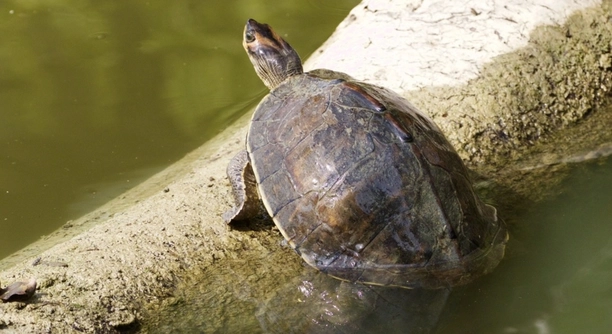
Indian Roofed Tortoises are fascinating creatures that thrive on a healthy diet. Ensuring they get enough vegetables is key to their well-being, but sometimes they can be picky eaters. Encouraging them to eat more greens can be tricky but rewarding.
The best way to encourage an Indian Roofed Tortoise to eat more vegetables is by offering a variety of fresh, leafy greens in different textures and shapes. You can also try sprinkling the veggies with calcium powder to make them more appealing.
By understanding their preferences and tweaking their meals, you can help your tortoise enjoy a more balanced and nutritious diet. Keep reading to discover helpful tips for getting your tortoise to eat more vegetables!
Offer a Variety of Vegetables
It’s important to provide a range of vegetables to your Indian Roofed Tortoise to keep their diet exciting and nutritious. Tortoises are naturally curious, and offering different textures and colors can encourage them to try new foods. Offer leafy greens like dandelion greens, collard greens, and romaine lettuce. You can also include carrots, squash, and bell peppers, but make sure they’re all cut into manageable pieces. Keep rotating the vegetables to prevent them from getting bored with the same offerings every day.
Try chopping or tearing the vegetables into smaller, bite-sized pieces to make them more accessible. Some tortoises may prefer one vegetable over another, so experimenting with different types can help find what they enjoy most.
For example, adding some herbs like parsley or cilantro can make the vegetables smell more appealing to your tortoise. Offering a mix of crunchy and soft vegetables will ensure they have a balanced intake of nutrients. Also, avoid overfeeding any single vegetable to maintain variety and prevent health issues.
Introduce Veggies Gradually
If your tortoise is hesitant to eat vegetables, don’t give up right away. Start by mixing small amounts of vegetables into their usual diet. You can slowly increase the amount of veggies over time as they get used to the taste. Patience is key during this phase.
Slowly replacing some of the fruits or other foods with vegetables will allow your tortoise to adjust without feeling overwhelmed. Keep in mind, a sudden change in diet can cause stress, so take it one step at a time.
Make Vegetables More Appealing
Adding a little extra flavor can help make vegetables more enticing. Try sprinkling some calcium powder on the vegetables, which not only adds nutrients but can also encourage your tortoise to eat them. Calcium is crucial for their health, so this is a great way to combine nutrition with appeal.
You can also lightly steam some vegetables like carrots or zucchini to enhance their smell and texture. Softening the vegetables makes them easier to chew, especially for younger or older tortoises. Just make sure they cool down before serving them to avoid burns. A slight drizzle of vegetable-based oil can also add a bit of extra aroma that might entice your tortoise.
Sometimes, simply changing how the vegetables are presented can make a difference. Try arranging them in a way that catches their attention, like spreading them out on a flat surface or hiding them in a pile of bedding to stimulate their natural foraging instincts.
Feed at the Right Time
Timing can have an impact on your tortoise’s eating habits. Tortoises are more likely to eat when they’re feeling active and alert, so avoid feeding them right after they’ve woken up or are feeling stressed. Ideally, feed them after they’ve warmed up under their heat lamp or basked in the sun for a bit.
A consistent feeding routine will help your tortoise get into the habit of eating at specific times. This creates a sense of security, and they’ll begin to associate these times with meals. It’s also helpful to avoid offering food when they’re full from previous meals or snacks. Ensure that they’re hungry and ready to eat to get the best response.
Keep the Environment Comfortable
An uncomfortable environment can discourage your tortoise from eating. Ensure that their enclosure is warm enough for them to feel comfortable, as a cold environment can cause them to become sluggish and lose their appetite. Maintain the temperature around 85-90°F during the day and cooler at night.
Also, make sure their space is quiet and calm. Loud noises and frequent disturbances can cause stress, making it harder for them to eat. A peaceful, consistent environment will help your tortoise feel safe, which encourages healthy eating habits.
Use Fresh, High-Quality Vegetables
Always offer fresh vegetables to your tortoise. Wilted, old, or moldy greens won’t appeal to them and can even harm their health. Buying high-quality, fresh produce ensures that your tortoise receives all the essential nutrients. Regularly check the vegetables to make sure they haven’t spoiled before feeding them to your tortoise.
Quality matters for both the health of your tortoise and their willingness to eat. Fresh vegetables are more visually appealing and offer a richer texture that encourages your tortoise to try them.
Limit the Amount of Fruit
Fruit should only make up a small portion of your tortoise’s diet. Offering too much can make them less interested in vegetables. While fruit is a good source of vitamins, it is high in sugar, which should be kept to a minimum. Stick to offering fruits occasionally.
FAQ
How much should I feed my Indian Roofed Tortoise?
The amount you feed your tortoise depends on their size, age, and activity level. Generally, a juvenile tortoise will require more frequent feedings than an adult. You should aim to offer enough vegetables to fill about 70% of their daily food intake. It’s best to feed them once or twice a day, giving them a variety of fresh vegetables. Monitor their eating habits and adjust the amount accordingly, but be careful not to overfeed, as it can lead to obesity or other health issues.
Can I feed my tortoise fruits every day?
No, fruits should not be fed daily. While they are a good source of vitamins and hydration, they are also high in sugar, which can be harmful in large quantities. Offer fruits as a treat once or twice a week. Stick to small portions, and choose fruits like strawberries, melon, and apple. The majority of their diet should consist of leafy greens and other vegetables.
How can I tell if my tortoise is not eating enough vegetables?
If your tortoise is not eating enough vegetables, you may notice signs such as weight loss, lethargy, or less frequent bowel movements. A healthy tortoise will have a good appetite, especially when offered a variety of fresh food. If these symptoms occur, try adjusting their diet or environment. Make sure the temperature in their enclosure is correct, as cold temperatures can cause a lack of appetite. If the issue persists, a visit to the vet is recommended.
Can I feed my tortoise store-bought salad mixes?
Store-bought salad mixes can be fed to your tortoise, but only if they don’t contain any harmful ingredients like dressings, seeds, or other additives. Choose organic, pesticide-free mixes, and avoid prepackaged salads with added salt or preservatives. It’s always safer to provide fresh, whole vegetables, as they are nutrient-dense and free from chemicals.
Why won’t my tortoise eat the vegetables I offer?
There are several reasons why your tortoise may be rejecting vegetables. It could be due to the texture or taste of the vegetables, or they may simply be unfamiliar with them. Try offering different types of vegetables and herbs, and make sure they’re fresh. Sometimes, a tortoise may prefer a particular vegetable over others, so experimentation is key. Ensure the temperature and environment are comfortable too, as a stressed or cold tortoise may not feel like eating.
Can I feed my tortoise leafy greens like spinach?
Spinach can be fed to your tortoise in small amounts, but it should not be a regular part of their diet. Spinach contains oxalates, which can interfere with calcium absorption and lead to kidney problems if fed in excess. Stick to other leafy greens like dandelion greens, collard greens, and mustard greens, which are safer and more nutritious for your tortoise.
How can I get my tortoise to eat more leafy greens?
If your tortoise is not eating enough leafy greens, try adding some herbs like parsley or cilantro to make the greens smell more appealing. You can also try offering different textures and cutting the vegetables into smaller pieces to make them easier to eat. Another tip is to offer the greens in different arrangements, such as hiding them in bedding or arranging them in a pile to stimulate natural foraging behavior.
Can I feed my tortoise flowers?
Yes, many types of flowers are safe and nutritious for your tortoise. You can feed them flowers like hibiscus, dandelions, or pansies. Just make sure the flowers are free from pesticides and chemicals. It’s important to only feed edible flowers, as some flowers can be toxic to tortoises. Always research before offering a new flower variety.
How do I know if my tortoise’s diet is balanced?
A balanced diet for your tortoise includes a variety of vegetables, leafy greens, and some fruits in moderation. Make sure they are getting enough calcium and fiber while avoiding too much protein or sugary foods. A balanced diet will keep them healthy, with a bright, alert demeanor. If you notice signs like shell deformities or lack of energy, it may indicate nutritional imbalances, and you should adjust their diet accordingly. Regular vet check-ups will also help ensure they’re getting the proper nutrition.
Can I feed my tortoise commercial food?
While commercial foods are convenient, they should not be the main part of your tortoise’s diet. Many commercial tortoise foods are not as nutritionally complete as fresh vegetables and greens. If you do choose to feed them commercial food, make sure it is specifically formulated for tortoises and contains all necessary nutrients, especially calcium and fiber. Fresh food should always be the primary option.
Is it okay to feed my tortoise cabbage?
Cabbage can be fed to your tortoise, but it should only be given in moderation. It contains goitrogens, which can interfere with thyroid function if consumed in large amounts over time. It’s best to offer cabbage occasionally and mix it with other vegetables. Keep variety in their diet to ensure they’re getting all the nutrients they need.
Final Thoughts
Encouraging an Indian Roofed Tortoise to eat more vegetables can take some patience, but it is essential for their long-term health. A varied diet with a mix of leafy greens and other vegetables is the best way to ensure they receive the necessary nutrients. Always pay attention to their preferences and experiment with different vegetables to see what they enjoy most. Over time, you will find a routine that works for both you and your tortoise.
Consistency in feeding times, the right environment, and offering fresh, high-quality vegetables are key factors to consider. By maintaining a balanced diet with plenty of fiber, calcium, and essential vitamins, your tortoise will thrive. However, don’t forget to offer fruits sparingly, as too much sugar can lead to health problems. It’s always better to offer vegetables in small amounts throughout the day, rather than overfeeding them at once. Monitoring their eating habits will help you better understand what they need.
Remember, if you’re ever unsure about your tortoise’s diet or if they’re not eating enough, don’t hesitate to reach out to a vet. They can provide valuable advice on proper nutrition and help you identify any underlying issues. Providing the right diet, a safe environment, and patience will make all the difference in keeping your Indian Roofed Tortoise healthy and happy.

Hello,
If you enjoy the content that we create, please consider saying a "Thank You!" by leaving a tip.
Every little bit helps us continue crafting quality advice that supports the health, happiness, and well-being of pets around the world, for pets of all shapes, sizes, and species.
We really appreciate the kindness and support that you show us!