
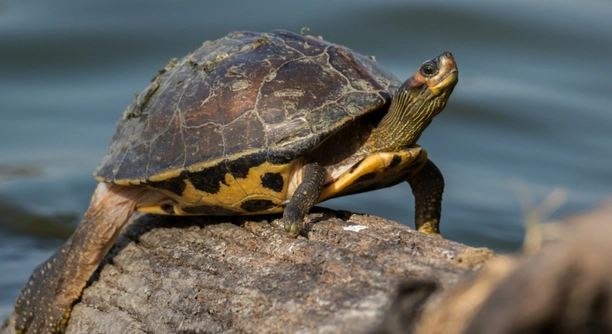
Indian Roofed Tortoises are known for their curious behavior, and if you’ve noticed your tortoise constantly climbing walls, you’re not alone. Many pet owners are puzzled by this. Understanding why this happens can help you create a better environment for your pet.
Tortoises are naturally curious creatures, and climbing walls is often a sign of seeking more space or stimulation. These reptiles may feel confined or bored in their environment, prompting them to explore and climb to satisfy their instincts.
There are a few simple ways to address this behavior and make your tortoise feel more comfortable. Understanding its needs and making a few adjustments to its habitat can go a long way.
Why Do Indian Roofed Tortoises Climb?
Indian Roofed Tortoises are naturally curious and active, so when they start climbing walls, it’s often a sign of boredom or a need for more space. Tortoises in the wild roam across large areas, so being confined to a small space may make them feel restless. The walls they climb may be seen as an obstacle to overcome, similar to how they would explore their environment in the wild. Climbing behavior could also indicate that they’re searching for something, like food or companionship. Tortoises often climb to find more stimulating surroundings or because they’re trying to escape what feels like a restrictive environment.
Adding variety to your tortoise’s living space, such as more hiding places or obstacles to climb, can provide the necessary stimulation. You can also offer more opportunities for foraging and exploration, mimicking their natural habitat. These small changes can help keep your tortoise content and less focused on climbing walls.
As reptiles, they may also instinctively climb as part of their natural behavior patterns. It’s in their nature to explore, and this behavior isn’t always negative.
How to Provide a Better Environment
One way to reduce your tortoise’s climbing behavior is to offer a larger enclosure.
A spacious habitat allows them to move freely and explore their surroundings. Consider adding ramps, tunnels, or climbing structures that are safe and easy to scale. These features will help your tortoise satisfy its climbing instincts without having to scale the walls of its enclosure.
Additionally, ensure that the enclosure has enough hiding spots, places to burrow, and multiple types of terrain to mimic a more natural environment. Tortoises are more likely to climb when they feel restricted, so creating a more enriching space can lead to calmer behavior. Finally, provide ample room for them to roam, which will keep them engaged.
Why Climbing Might Be a Sign of Stress
Climbing could also be a response to stress. If your tortoise feels threatened or uneasy in its environment, it may climb in an attempt to escape or find safety. Stress can stem from various sources, including noisy surroundings, improper temperature, or a lack of hiding spaces.
If your tortoise is stressed, it may not just climb walls but also exhibit other signs, like refusing to eat, pacing, or hiding constantly. It’s essential to check the environmental conditions of their enclosure, making sure it is quiet, safe, and comfortable. For instance, ensure the temperature is consistent with your tortoise’s needs. A stable and calm environment will help reduce climbing behavior linked to stress.
Adding some plants, climbing features, and comfortable hiding spaces can give your tortoise the chance to retreat when needed. This added comfort helps minimize stress and encourages more natural, relaxed behavior.
Offering More Stimulation and Enrichment
Another factor behind climbing could be the lack of mental stimulation. Tortoises, like other pets, need to engage with their surroundings to stay healthy and happy. If they don’t have enough to do in their environment, they may climb walls in an attempt to find something interesting.
Providing things to explore, like different textures, ramps, and objects to climb, can engage their curiosity. You can also create opportunities for them to forage for food, which mimics the natural behaviors of tortoises. Additionally, rotating toys or other items in their habitat will keep the space from feeling too repetitive. This will make them less likely to focus on climbing the walls as a way to pass the time.
Tortoises enjoy discovering new things in their environment. Keeping them mentally stimulated helps maintain their health and reduces repetitive behaviors like wall climbing.
Climbing as a Form of Exercise
Climbing might also be a form of exercise for your tortoise. Like other animals, tortoises need physical activity to stay healthy. Climbing helps them build strength and agility, especially if they have limited space to roam.
If your tortoise is climbing walls, it might be trying to stay active. While it’s good for them to exercise, it’s important to provide other outlets. Creating a more expansive space with plenty of room to walk or adding climbing structures can keep your tortoise physically fit without excessive wall climbing.
Importance of Proper Lighting and Temperature
Lighting and temperature can significantly impact your tortoise’s behavior. Tortoises require a heat source, UVB lighting, and a proper temperature gradient to stay healthy. If these factors are not properly maintained, they may try to climb in search of comfort or better conditions.
The correct lighting and heat are essential for a tortoise’s well-being. UVB lighting helps them produce vitamin D3, which is necessary for calcium absorption. Without it, they can develop health issues. Proper temperature control ensures that they remain active and comfortable. If the environment feels too cold or dark, they may climb in search of warmth.
Space and Size of the Enclosure
The size of your tortoise’s enclosure plays a major role in its climbing behavior. If the space is too small or feels cramped, your tortoise may be climbing to escape or search for more space.
A larger enclosure with more space allows your tortoise to move freely, reducing the urge to climb. If the enclosure is spacious enough to explore, it helps satisfy their natural instincts without the frustration of confinement.
FAQ
Why does my tortoise climb its walls?
Tortoises climb walls because they are curious creatures and may feel confined in a small enclosure. They often climb in search of more space, stimulation, or comfort. It could also be a sign of boredom, stress, or the instinct to escape. In some cases, they might be trying to reach a food source or other items of interest. Ensuring your tortoise’s environment is enriched with climbing structures, hiding spots, and enough space can help reduce this behavior.
How can I stop my tortoise from climbing the walls?
To stop your tortoise from climbing walls, create a more engaging and comfortable environment. Provide a larger enclosure with enough room for them to explore. Add ramps, tunnels, and hiding places to encourage natural behavior. Also, make sure the temperature and lighting are ideal. A lack of stimulation can cause climbing, so varying the habitat with plants, obstacles, and foraging opportunities will also help.
Is wall climbing bad for my tortoise?
Wall climbing itself is not necessarily harmful but could lead to injuries if the tortoise falls. It may also signal that your tortoise is stressed or feeling confined. If the climbing is excessive, it’s a sign that their environment isn’t providing enough space or enrichment. Modifying their enclosure will reduce the climbing behavior and create a safer environment for your pet.
What kind of environment should I provide for my tortoise?
Your tortoise needs a spacious, safe, and stimulating environment. The enclosure should mimic its natural habitat with varied textures, hiding spots, and climbing structures. Ensure proper temperature gradients with a warm basking area and cooler spots for rest. Add UVB lighting to help with calcium absorption. Having these features will keep your tortoise active and healthy, reducing unwanted climbing.
How often should I clean my tortoise’s enclosure?
Cleaning your tortoise’s enclosure regularly is important for its health. Spot clean daily by removing uneaten food, waste, and soiled bedding. A deep clean should be done at least once a month, where you remove everything from the enclosure and sanitize the surfaces. Keeping the environment clean will help prevent bacteria buildup and improve your tortoise’s overall well-being.
Can I keep multiple tortoises together?
It’s not recommended to house multiple tortoises together unless you have a large enough space and can provide individual areas for each one. Tortoises are territorial creatures, and keeping them in close quarters can lead to aggression, stress, and injury. If you want to keep multiple tortoises, make sure the enclosure is big enough for each one to have its own space and hiding spots.
How can I tell if my tortoise is stressed?
Stressed tortoises may show signs like pacing, excessive climbing, loss of appetite, or hiding more than usual. Stress can also cause a tortoise to stop eating, appear lethargic, or act more aggressively. If you notice these signs, check the temperature, lighting, and enclosure size. Make sure the habitat is quiet and safe, as stress can also be caused by environmental factors like loud noises or changes in routine.
Should I feed my tortoise every day?
The feeding schedule for your tortoise depends on its age and species. Young tortoises require daily feeding, as they are growing and need the energy. Adult tortoises usually need to be fed every other day. A balanced diet of leafy greens, vegetables, and some fruits will keep your tortoise healthy. It’s also important to offer fresh water daily. Always ensure the food you provide is appropriate for the specific species of tortoise you have.
Can tortoises swim?
Indian Roofed Tortoises are not natural swimmers. While they may enjoy wading through shallow water, they should not be placed in deep water where they can’t touch the bottom. Tortoises are not built for swimming like aquatic turtles, and deep water can stress them out or lead to drowning. Provide a shallow water dish for drinking and bathing but make sure it’s not too deep.
What is the best substrate for a tortoise’s enclosure?
The best substrate for your tortoise’s enclosure is one that mimics its natural environment. Avoid using sand as it can cause digestive problems if ingested. Instead, use a mix of coconut coir, shredded paper, or a safe bedding material designed for reptiles. These materials help keep the habitat dry and are easy to clean. The substrate should be deep enough for your tortoise to dig and burrow in, which is a natural behavior.
Final Thoughts
Understanding why your Indian Roofed Tortoise climbs walls can help you create a more suitable environment for it. Whether it’s boredom, stress, or simply natural curiosity, climbing is a behavior that needs to be addressed with care. If your tortoise seems restless or is constantly climbing, it’s important to assess its living conditions. Often, making small adjustments can reduce this behavior and make your tortoise feel more comfortable. Providing a larger enclosure with more hiding spots, climbing structures, and proper lighting can go a long way in keeping your pet happy and healthy.
However, climbing can sometimes indicate a more serious issue, such as stress from being confined or uncomfortable conditions. It’s essential to observe your tortoise for other signs of distress, such as changes in eating habits, lethargy, or aggressive behavior. If your tortoise’s climbing is coupled with other unusual signs, it may be worth consulting a veterinarian. Stress or discomfort from temperature, lighting, or overcrowding can lead to more than just wall climbing—it can affect your tortoise’s overall well-being. Identifying the root cause of the behavior is crucial for proper care.
Ultimately, providing a more enriching environment will help minimize unwanted climbing behavior and keep your tortoise physically and mentally stimulated. Whether you need to make the enclosure larger, add new features, or adjust the lighting and temperature, small changes can have a big impact. By observing your tortoise’s habits and making these necessary improvements, you’ll not only reduce climbing but also create a healthier and more satisfying life for your pet. Taking the time to understand your tortoise’s needs will lead to a more positive and fulfilling experience for both of you.

Hello,
If you enjoy the content that we create, please consider saying a "Thank You!" by leaving a tip.
Every little bit helps us continue crafting quality advice that supports the health, happiness, and well-being of pets around the world, for pets of all shapes, sizes, and species.
We really appreciate the kindness and support that you show us!