
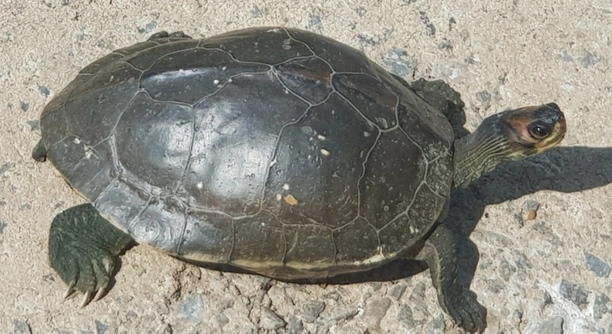
Indian Roofed Tortoises are fascinating creatures, but pyramiding, where their shells become deformed, can be a concern for many owners. It is essential to understand how to prevent this issue to ensure their well-being and healthy development.
To prevent pyramiding in Indian Roofed Tortoises, maintaining proper humidity, temperature, diet, and exercise is key. Consistently providing these factors will allow your tortoise to grow at a healthy pace, avoiding shell deformities.
Taking proper care of your tortoise can ensure they thrive and enjoy a long, healthy life. With the right adjustments, you can keep them in great shape.
Proper Humidity Levels
Humidity is one of the most important factors in preventing pyramiding in Indian Roofed Tortoises. Tortoises need a specific level of moisture in their environment for their shells to develop properly. If the air is too dry, their shells may become more prone to deformities. It’s essential to keep the humidity between 60-80% to create a comfortable atmosphere for your tortoise. You can easily monitor humidity by using a hygrometer in their enclosure. Regular misting or adding a water bowl can help maintain these levels.
Creating the right humidity is simple, but it requires consistency. Check the humidity level daily and adjust as needed.
Adding a humidifier or placing moss inside the enclosure can also help in areas with particularly dry air. Proper humidity keeps your tortoise’s shell smooth and encourages natural growth patterns, reducing the risk of deformities. This simple yet crucial factor can be the difference between a healthy tortoise and one struggling with shell issues.
Proper Diet and Nutrition
A balanced diet plays a significant role in the health of your tortoise’s shell. A proper diet with the right vitamins and minerals, especially calcium, is essential. A lack of calcium can contribute to weak shell growth, leading to pyramiding. Fresh leafy greens, vegetables, and fruits should be the primary foods for your Indian Roofed Tortoise. Additionally, supplementing their diet with calcium powder can ensure they’re getting enough of this vital nutrient.
Feeding your tortoise a varied and healthy diet will not only help their shell grow properly but also contribute to their overall well-being. Avoid feeding them too much fruit as it’s high in sugar, which isn’t suitable for their health in large amounts.
Correct Temperature
Maintaining the right temperature is essential for your tortoise’s growth. A basking spot around 90°F (32°C) and a cooler side between 75°F-80°F (24°C-27°C) will allow your tortoise to regulate its body temperature. A temperature gradient within the enclosure is ideal for overall health and shell development.
If your tortoise is kept in an environment that’s too cold or too hot, it can stress them and disrupt their metabolism, which in turn affects shell growth. Use a thermometer to monitor the temperatures in both areas of the enclosure.
Proper temperature ensures your tortoise can digest food and metabolize nutrients effectively, which aids in strong, healthy shell development. A heat lamp or ceramic heater can help maintain a consistent temperature, especially during cooler months. Don’t forget to provide a cooler area for your tortoise to retreat to when they need to regulate their body heat.
Regular Exercise
Exercise is vital for your tortoise’s overall health, including its shell development. Providing a spacious area to roam will encourage movement, helping to strengthen muscles and promote proper growth. A tortoise that spends time walking and climbing will develop a more even and healthy shell.
In addition to a larger enclosure, providing outdoor time (when safe) or gentle supervised exercise will give your tortoise the freedom to explore and stay active. Regular exercise helps with digestion, improves circulation, and supports their shell’s natural shape.
Creating an active and stimulating environment, with areas to explore, ensures that your tortoise doesn’t just stay healthy but also has the mental stimulation it needs. It also helps prevent obesity, which can sometimes lead to shell issues. Keep in mind that a lack of exercise may lead to poor shell formation, so it’s crucial to let them move freely.
UVB Lighting
UVB lighting is crucial for your tortoise’s health and shell development. Tortoises need UVB rays to synthesize vitamin D3, which helps absorb calcium. Without proper UVB exposure, they cannot form healthy shells, leading to deformities like pyramiding. A UVB light should be used for 10-12 hours a day.
Ensure the UVB light is positioned correctly within the enclosure, so your tortoise can bask under it. Replace the bulb every six months, as UVB output decreases over time, even if the light still works. This helps ensure that your tortoise is getting the proper amount of UV exposure.
UVB lighting helps to regulate calcium metabolism in tortoises, supporting bone and shell growth. It’s also essential for maintaining a proper immune system, keeping your tortoise healthier overall. Use a high-quality UVB bulb and place it about 6-12 inches away from the basking area for maximum efficiency.
Clean Environment
A clean environment is key to your tortoise’s well-being. Regularly cleaning the enclosure will prevent bacteria and fungus buildup, which can lead to health problems, including shell deformities. Spot cleaning the enclosure every day and giving it a deep clean weekly will help keep your tortoise safe.
Keeping the living space tidy and dry also helps maintain the right humidity levels. Ensure the bedding is dry and clean to prevent any mold or mildew, which could negatively impact your tortoise’s shell growth.
FAQ
What causes pyramiding in Indian Roofed Tortoises?
Pyramiding occurs when a tortoise’s shell grows unevenly, causing it to form pyramid-like bumps. This usually happens due to improper care, such as poor diet, lack of UVB lighting, insufficient humidity, or improper temperature. Inadequate calcium intake or not providing a proper basking area can also contribute to this issue.
How can I prevent pyramiding in my tortoise?
To prevent pyramiding, ensure that your tortoise’s environment meets all of its needs. Provide proper lighting, including UVB rays, to help with calcium absorption. Maintain a consistent temperature gradient and humidity. Also, ensure a balanced diet with sufficient calcium and encourage regular exercise. These factors will help ensure smooth shell growth.
Can pyramiding be fixed once it happens?
Unfortunately, once pyramiding occurs, it cannot be completely reversed. However, if the tortoise is given the right care and environment, future shell growth can be corrected. Proper diet, lighting, humidity, and temperature will help prevent further pyramiding and support healthy shell growth moving forward.
What is the best diet for an Indian Roofed Tortoise?
Indian Roofed Tortoises thrive on a diet that consists mostly of leafy greens like dandelion, collard greens, and mustard greens. It’s important to include a variety of vegetables such as squash, bell peppers, and carrots. Fruits should be offered sparingly, and you should also add a calcium supplement to their food a few times a week.
How do I provide UVB lighting for my tortoise?
UVB lighting is necessary for your tortoise to synthesize vitamin D3, which helps them absorb calcium. Place a UVB light above the basking area to ensure your tortoise gets adequate exposure. The light should be on for about 10-12 hours per day. Replace the bulb every six months, even if it still works, as UVB output decreases over time.
How often should I clean my tortoise’s enclosure?
Spot clean the enclosure daily to remove waste and uneaten food. This helps prevent bacteria and mold buildup. Perform a deep cleaning once a week by changing the substrate, disinfecting the tank, and cleaning all items inside. A clean environment helps reduce the risk of infection and keeps the humidity levels stable.
What temperature should the enclosure be?
The temperature inside the enclosure should be carefully controlled to avoid stress and support healthy growth. The basking area should be around 90°F (32°C), while the cooler side should be between 75°F-80°F (24°C-27°C). This temperature gradient allows your tortoise to regulate its body temperature properly.
How can I maintain the right humidity for my tortoise?
Humidity should be kept between 60-80% to prevent shell issues and keep your tortoise comfortable. Use a hygrometer to measure humidity levels. Regular misting of the enclosure or adding a water bowl can help maintain the right levels. Avoid letting the enclosure get too dry, as it can lead to dehydration and shell deformities.
Is it safe to let my tortoise roam outside?
Letting your tortoise roam outside can be beneficial, as it allows them to engage in natural behaviors and provides exposure to natural sunlight. However, you must ensure the area is secure, safe from predators, and free of harmful plants. Supervise outdoor time, and be mindful of extreme weather conditions that can harm your tortoise.
How much space does my Indian Roofed Tortoise need?
Indian Roofed Tortoises need a lot of space to roam and explore. The enclosure should be at least 4-6 times the length of your tortoise in width and length. If you allow them to roam outside, make sure the area is secure and free from hazards. Providing ample space encourages natural behaviors and healthy development.
Can I house multiple tortoises together?
Housing multiple tortoises together can be tricky. Indian Roofed Tortoises are solitary creatures, and housing more than one can lead to stress, aggression, or competition for resources. If you want to keep more than one, ensure that each has its own space, and monitor their behavior closely to prevent fighting or injury.
How often should I feed my tortoise?
Indian Roofed Tortoises are herbivores and should be fed daily. Their diet should consist of fresh leafy greens, vegetables, and occasional fruit. Ensure that they are offered a variety of foods to provide balanced nutrition. Avoid overfeeding and remove any uneaten food to keep the enclosure clean.
What should I do if my tortoise is not eating?
If your tortoise stops eating, it could be a sign of stress, improper temperature, or illness. Check the enclosure’s temperature, humidity, and lighting to make sure it’s suitable for your tortoise. If conditions are correct and they still aren’t eating, consult with a veterinarian to rule out any underlying health issues.
Can I bathe my tortoise?
Yes, bathing your tortoise in shallow, lukewarm water can help with hydration and prevent dehydration. It’s especially helpful if your tortoise isn’t drinking enough on its own. Make sure the water is shallow enough so your tortoise can’t submerge itself completely. Always supervise them while bathing to ensure their safety.
How do I ensure my tortoise gets enough calcium?
To ensure your tortoise gets enough calcium, offer calcium-rich foods like dark leafy greens, and dust their food with a calcium supplement 2-3 times per week. A lack of calcium can lead to weak bones and shells, so it’s crucial to provide them with an adequate amount regularly.
What type of substrate should I use?
A good substrate for your tortoise’s enclosure includes materials like coconut coir, cypress mulch, or orchid bark. These substrates maintain moisture levels while providing a comfortable surface for your tortoise to walk on. Avoid using sand, as it can cause impaction if ingested. Make sure the substrate is clean and dry to maintain proper humidity.
Final Thoughts
Taking care of an Indian Roofed Tortoise requires attention to detail, but it is very rewarding. Ensuring that the temperature, humidity, diet, and exercise needs are met will help keep your tortoise healthy and prevent issues like pyramiding. These tortoises are resilient creatures, and with the right care, they can live long and happy lives. Their unique shells, however, are sensitive to environmental changes, so it’s crucial to maintain a balanced habitat to support their growth and development.
Consistency is key when it comes to maintaining a proper environment for your tortoise. Regularly checking humidity levels, temperature, and the quality of their food will help ensure that they remain comfortable. Providing the right lighting, especially UVB light, and keeping the enclosure clean are simple steps that go a long way in maintaining their well-being. These steps, though small, can make a huge difference in the health of your tortoise’s shell and overall health. Over time, you’ll become more familiar with what your tortoise needs, making it easier to care for them.
Lastly, patience and observation are important when caring for any pet. If you notice signs of pyramiding or other health issues, addressing them early can prevent further complications. Understanding your tortoise’s behavior, diet, and environment will help you make informed decisions about their care. By following these guidelines, your Indian Roofed Tortoise can thrive, ensuring both you and your pet enjoy a positive and healthy experience.

Hello,
If you enjoy the content that we create, please consider saying a "Thank You!" by leaving a tip.
Every little bit helps us continue crafting quality advice that supports the health, happiness, and well-being of pets around the world, for pets of all shapes, sizes, and species.
We really appreciate the kindness and support that you show us!