
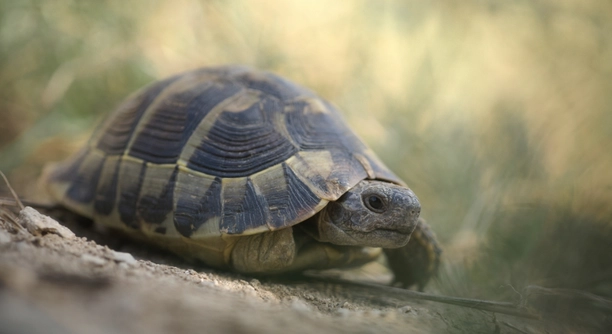
Hermann’s tortoises are popular pets, known for their unique appearance and calm nature. However, sometimes, you might notice changes in their skin, such as paleness. Understanding the reasons behind this can help ensure your pet’s health and comfort.
The pale skin of a Hermann’s tortoise may be caused by factors like dehydration, poor diet, or environmental stress. Illnesses or improper care may also lead to this issue. Identifying the underlying cause is crucial for treatment and recovery.
Addressing these factors early on can help restore your tortoise’s vibrant skin. Proper care, diet, and environment play a significant role in maintaining its health and well-being.
Causes of Pale Skin in Hermann’s Tortoises
One of the main reasons your Hermann’s tortoise’s skin might turn pale is dehydration. Tortoises need to stay hydrated to maintain healthy skin and overall well-being. If your tortoise isn’t getting enough water, its skin can appear dull or lightened. Another common cause could be an improper diet. A lack of essential nutrients, like calcium and vitamins, can affect your tortoise’s appearance, including its skin color. Environmental stress, like sudden temperature changes or poor lighting, can also contribute to the issue. Stress can weaken your tortoise’s immune system, leading to pale skin and other health problems.
A lack of UVB lighting can also cause your tortoise’s skin to pale. UVB light is vital for tortoises as it helps them produce Vitamin D3, which is essential for calcium absorption. Without it, your tortoise may become lethargic and its skin may lose its natural tone.
Maintaining proper hydration, diet, and lighting is key to keeping your tortoise healthy. Regularly check your tortoise’s habitat to ensure it has access to clean water, a balanced diet, and sufficient UVB light. Any changes in the environment should be monitored closely, as even small shifts can affect their skin health. If the pale skin persists, a vet check-up may be necessary to rule out underlying health issues.
How to Prevent Pale Skin
You can prevent pale skin in your Hermann’s tortoise by creating a stable, healthy environment. Make sure the enclosure is kept at the proper temperature, with areas for both warmth and shade. Provide UVB lighting to help your tortoise synthesize Vitamin D3, which is crucial for its health and skin color. Proper hydration is also essential. Offer fresh water daily and mist your tortoise occasionally to help maintain moisture levels in the skin.
By sticking to a consistent care routine, you help your tortoise stay vibrant and healthy. This includes giving it a nutritious diet rich in calcium and other essential vitamins. Keeping a close eye on these factors will help prevent pale skin and support your pet’s overall well-being.
Hydration and Its Role in Skin Health
Dehydration is one of the most common reasons for pale skin in Hermann’s tortoises. Without enough water, their skin becomes dry, and their overall health declines. Make sure to provide your tortoise with fresh, clean water daily. Mist the enclosure lightly to maintain humidity levels, especially in dry environments.
If a tortoise isn’t drinking enough, it may need additional encouragement. You can soak your tortoise in lukewarm water for about 20-30 minutes. This helps hydrate them directly through their skin and can be a good way to ensure they’re getting enough fluids. Also, remember that a consistent water source should always be available, even if they don’t drink immediately.
Tortoises can go without water for some time, but it will eventually affect their skin health. If pale skin persists despite good hydration, it’s essential to rule out other potential causes. Dehydration is often an easily fixed issue, but long-term neglect can cause other problems. Ensure proper water intake and humidity levels regularly.
Proper Diet for Healthy Skin
A proper diet plays a significant role in maintaining a Hermann’s tortoise’s vibrant skin. Without the right nutrients, your tortoise’s health can be compromised. The diet should be rich in fiber and calcium to support its shell and skin. A balanced mix of leafy greens, vegetables, and fruits is essential for providing the vitamins and minerals they need.
The importance of calcium cannot be overstated. It supports bone and shell health and plays a part in maintaining good skin color. Additionally, the right balance of Vitamin A and other nutrients is crucial for skin repair and overall well-being. Offer foods like dandelion greens, collard greens, and cactus pads, which are packed with vitamins.
Avoid overfeeding fruit, as it can lead to digestive issues and an imbalance in their diet. Supplementing with a calcium powder will ensure they receive enough of this important nutrient. Keeping their diet balanced can prevent skin issues like paleness and support their long-term health.
Temperature and Lighting
Temperature and lighting are crucial for your Hermann’s tortoise’s health. If the temperature is too low, or there isn’t enough UVB light, the skin may turn pale. Proper warmth helps with digestion and circulation, while UVB light helps them process calcium, supporting skin health.
Ensure your tortoise’s habitat has a temperature gradient, with warm and cool areas. The warm side should be around 85-90°F, while the cooler side should be between 70-75°F. Use a reliable thermometer to monitor the temperature regularly. Additionally, UVB lighting should be provided for about 10-12 hours daily, as it helps with Vitamin D3 synthesis.
Without sufficient UVB, your tortoise can develop health problems, and its skin may lose its natural color. A combination of correct temperature and lighting supports a healthy immune system, vibrant skin, and an active, well-nourished tortoise. Ensure both are in place to avoid further issues.
Stress and Its Effect
Stress can cause your tortoise’s skin to pale. If the environment is too loud or your tortoise feels threatened, its immune system can weaken. This can lead to dull skin and general health problems.
Make sure the enclosure is in a quiet, safe area. Avoid handling your tortoise excessively, as it can stress them out. Provide hiding spots to help them feel secure.
FAQ
Why is my Hermann’s tortoise’s skin turning pale?
Pale skin in a Hermann’s tortoise can be caused by dehydration, poor diet, improper lighting, or environmental stress. If your tortoise isn’t drinking enough water, its skin may appear dull or pale. A lack of essential nutrients, like calcium and vitamins, can also affect skin color. Furthermore, improper UVB lighting can lead to deficiencies in Vitamin D3, affecting both skin and overall health. Stress from environmental changes, such as temperature fluctuations or being handled too much, can also cause pale skin. It’s important to address these factors promptly to ensure your tortoise’s health.
How can I tell if my Hermann’s tortoise is dehydrated?
Signs of dehydration in Hermann’s tortoises can include pale, dry skin, sunken eyes, and lethargy. If your tortoise is not drinking enough, it may also become less active or have difficulty moving. Another sign is if the skin doesn’t bounce back quickly after being gently pinched. In healthy tortoises, the skin will return to its normal position almost immediately. Dehydration can also lead to constipation or difficulty passing stools. Make sure your tortoise has constant access to clean water and try soaking them regularly to help with hydration.
Can I fix pale skin by adding more water to my tortoise’s diet?
Yes, increasing your tortoise’s water intake can help improve its skin color, especially if dehydration is the cause. It’s essential to provide fresh, clean water daily. You can also soak your tortoise in lukewarm water for about 20-30 minutes a few times a week to ensure hydration. Misting the enclosure can also help maintain proper humidity levels, which can prevent skin from becoming dry or flaky. However, if pale skin persists despite hydration, it’s crucial to consider other factors such as diet, lighting, or stress.
How important is UVB lighting for my tortoise’s skin?
UVB lighting is extremely important for your tortoise’s skin and overall health. UVB helps tortoises synthesize Vitamin D3, which is necessary for calcium absorption. Without proper UVB exposure, tortoises can develop metabolic bone disease, which can affect their skin, shell, and bones. A lack of UVB can also cause pale skin and lethargy. Ensure your tortoise is exposed to UVB lighting for 10-12 hours daily. Make sure the UVB bulb is within the correct range for your tortoise’s enclosure and is replaced regularly, as UVB bulbs lose their effectiveness over time.
How do I know if my tortoise has a proper diet?
A balanced diet for a Hermann’s tortoise should consist of a variety of leafy greens, vegetables, and some fruits. Greens like dandelion leaves, collard greens, and mustard greens should be the majority of their diet. You can also offer edible flowers and cactus pads for variety. Be sure to avoid feeding too much fruit, as it can cause digestive problems and upset the calcium-to-phosphorus ratio in their diet. Adding a calcium supplement can help maintain proper bone and skin health. Always avoid feeding your tortoise foods like iceberg lettuce, which offer little nutritional value.
Can stress affect my tortoise’s skin?
Yes, stress can cause your tortoise’s skin to turn pale. Stress can come from many sources: loud noises, sudden changes in temperature, too much handling, or even a lack of hiding spots. When a tortoise feels stressed, its immune system may weaken, leading to skin problems, loss of appetite, and lethargy. To reduce stress, ensure your tortoise has a quiet, safe environment with plenty of hiding spots and proper temperature regulation. Avoid handling them excessively, and be mindful of any environmental changes that might disrupt their comfort.
What temperature should I maintain for my Hermann’s tortoise?
Your Hermann’s tortoise’s enclosure should have a temperature gradient, with a warm side ranging from 85-90°F and a cooler side around 70-75°F. The warm side is essential for your tortoise’s digestion, while the cooler side allows them to regulate their body temperature. A reliable thermometer is crucial to ensure the temperatures stay within the proper range. A basking lamp should provide the warmth needed for the warm side, and a heat source like a ceramic heater or heat mat can maintain the cooler side’s temperature.
What kind of humidity levels are best for my tortoise?
Hermann’s tortoises thrive in moderate humidity levels, typically around 50-60%. Too much humidity can cause fungal or respiratory issues, while too little can lead to dry, flaky skin. Mist the enclosure lightly to maintain this humidity level, especially in drier environments. Soaking your tortoise in water occasionally can help with hydration and skin health. Be mindful not to overdo it, as excessive humidity can create a breeding ground for bacteria or mold, which is harmful to your tortoise.
How can I tell if my tortoise is suffering from an illness?
Illnesses in tortoises can often be identified through changes in behavior or appearance. If your tortoise becomes lethargic, stops eating, or shows signs of weight loss, it could indicate an underlying health problem. A lack of movement, wheezing, or nasal discharge could point to respiratory issues. Pale skin, as mentioned earlier, is often a sign of dehydration or poor nutrition but may also be linked to illness. If you notice any concerning signs, it’s best to take your tortoise to a vet who specializes in reptiles to get a proper diagnosis and treatment plan.
Is there anything else I should check if my tortoise’s skin stays pale?
If your tortoise’s skin remains pale despite addressing hydration, diet, and environmental factors, it’s essential to perform a full check-up. Examine the entire enclosure to make sure the temperature, humidity, and UVB lighting are within the correct ranges. Also, review your tortoise’s diet and make sure it is getting enough calcium and other essential nutrients. In some cases, prolonged issues may require a vet visit to rule out metabolic or other underlying health problems.
Final Thoughts
Taking care of a Hermann’s tortoise requires attention to various factors, such as hydration, diet, lighting, and temperature. When your tortoise’s skin starts turning pale, it’s often a sign that something is off in its environment or care routine. Dehydration is a common cause, but it could also be due to an unbalanced diet, improper lighting, or stress. Each of these factors plays a role in the health of your tortoise’s skin, so it’s essential to examine them closely and make the necessary adjustments.
By ensuring your tortoise stays hydrated and has access to fresh, clean water, you can help keep its skin healthy and vibrant. Providing a varied, nutrient-rich diet is just as important. Calcium and vitamins are crucial for maintaining healthy skin, shell, and bones. UVB lighting helps your tortoise absorb calcium properly, and without it, your tortoise may suffer from deficiencies that impact its appearance and overall health. Temperature is another key factor. Tortoises need a proper temperature gradient to regulate their body heat and metabolism, and without it, they can experience stress that negatively affects their skin and general well-being.
If your tortoise’s pale skin persists despite addressing these issues, it may be time to visit a veterinarian. Pale skin can be a sign of an underlying health problem that needs professional attention. While basic care is often enough to prevent skin issues, some conditions require specialized treatment. Regular monitoring of your tortoise’s health, environment, and behavior will help you catch any issues early. Taking the right steps to provide proper care will not only restore your tortoise’s skin but also contribute to its overall happiness and longevity.

Hello,
If you enjoy the content that we create, please consider saying a "Thank You!" by leaving a tip.
Every little bit helps us continue crafting quality advice that supports the health, happiness, and well-being of pets around the world, for pets of all shapes, sizes, and species.
We really appreciate the kindness and support that you show us!