
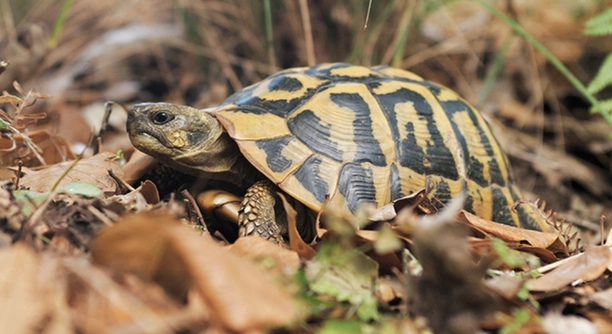
Hermann’s tortoises are beloved pets, but like all animals, they face dangers from predators. Keeping them safe should be a priority for any pet owner. Learning how to protect them from threats is essential for their well-being.
To keep your Hermann’s tortoise safe from predators, creating a secure enclosure is key. You should also supervise outdoor time, provide hiding spots, and ensure your tortoise’s home is sturdy enough to prevent entry from outside threats.
Protecting your Hermann’s tortoise requires a few simple steps, but it can make a big difference in keeping them safe. Let’s explore some important ways to reduce risks for your tortoise.
Build a Secure Enclosure
When creating an enclosure for your Hermann’s tortoise, it’s important to focus on security. A proper fence or wall that is tall enough to prevent predators from getting in or climbing over is essential. Make sure the structure is made from durable material that cannot easily be broken or chewed through by predators like raccoons or dogs. It’s also a good idea to bury the walls a few inches into the ground to prevent animals from digging under the enclosure.
The area inside should be spacious, allowing your tortoise to roam but not too open, as this could make it easier for predators to spot them. Having a solid roof can help prevent aerial threats such as birds of prey.
Besides physical barriers, it’s crucial to keep the space clean and free from debris where predators could hide. A tidy enclosure will make it easier for you to monitor any potential threats.
Supervise Outdoor Time
Supervising your tortoise when it’s outside is one of the most effective ways to keep it safe from predators. Even if you have a secure enclosure, there’s always the chance of something sneaking in or getting too close.
Being present when your tortoise enjoys its time outside allows you to quickly intervene if something goes wrong. Avoid leaving your pet outdoors unattended, especially in areas with wild animals that could pose a threat. Consider walking your tortoise on a leash in more open spaces. This gives them the freedom to roam, but still allows you to keep a close eye on them.
Provide Hiding Spots
Hiding spots give your tortoise a place to retreat when it feels threatened. You can use logs, rocks, or other natural materials to create these areas within the enclosure. These hideaways should be placed in corners or areas that are harder to reach, making them more secure.
A tortoise’s natural instincts push it to seek safety when predators are near. By offering a variety of hiding spots, you increase the chances that your tortoise will feel secure. Make sure the hiding areas are easily accessible, but not too obvious to predators. It’s important to also consider the size of your tortoise to ensure they can fit inside comfortably.
In addition to offering physical hideouts, maintaining a natural environment with shrubs and plants can further protect your tortoise. These elements help mimic the wild and provide extra coverage when your pet needs to retreat from danger. Be mindful, however, to avoid overly dense vegetation that could harbor pests.
Use a Strong, Lockable Gate
A sturdy, lockable gate is an essential addition to your tortoise’s enclosure. A gate that can be securely closed prevents larger predators from entering while allowing you to safely access the enclosure. It’s also helpful in controlling your tortoise’s movements and making sure they stay inside the secure area.
Choose a gate made from materials that are difficult for animals to damage. A wooden gate with metal reinforcements or a strong metal gate works well. The key is to make sure it closes properly and stays locked so that no curious creatures can slip inside.
Make sure the locking mechanism is easy for you to use but difficult for animals to figure out. Predators like raccoons are known for their ability to open gates, so choosing a lock that’s resistant to tampering is essential.
Avoid Attracting Predators
Make sure not to attract predators to the area where your tortoise lives. This means removing food scraps or any easily accessible trash that could draw animals near. Keeping the enclosure clean reduces the chance of attracting unwanted visitors.
Consider placing your tortoise’s habitat away from places where animals are known to gather, like food sources or shelters. A secluded location can make it harder for predators to spot your tortoise or reach its enclosure. If you have outdoor lighting, use it wisely, as bright lights can draw nocturnal animals closer.
Choose a Safe Outdoor Location
When deciding where to place your tortoise’s enclosure outdoors, consider the surrounding environment. Avoid areas near dense vegetation or places where predators might hide. It’s also important to avoid placing it near fences that could be climbed by animals or close to potential hiding spots.
Ideally, you should choose a spot that is clear of cover and has enough space to monitor your tortoise easily. Open spaces will make it harder for predators to remain unnoticed, but be sure that your tortoise has enough shelter from the sun to stay comfortable. A place that is too exposed could cause stress or even harm.
Keep Pets Away
Keeping other pets away from your Hermann’s tortoise is crucial to its safety. Dogs, cats, and other animals may not mean to harm the tortoise, but their natural instincts could cause stress or injury. It’s best to keep them separated.
If you do have other pets, supervise any interactions. Never leave your tortoise and pets unsupervised, as even friendly behavior could escalate quickly, leading to harm.
FAQ
How can I tell if my Hermann’s tortoise is under threat from predators?
Signs that your tortoise may be under threat include unusual behavior such as frantic movement, trying to hide, or staying in a defensive posture. If your tortoise is constantly trying to retreat into its shell or seems overly stressed, there may be something nearby triggering this behavior. In the wild, Hermann’s tortoises are naturally cautious, so noticing these subtle signs early can help you identify if a predator is near. Keep a close eye on their surroundings and check for any signs of damage to their enclosure.
What are common predators for Hermann’s tortoises?
Hermann’s tortoises face threats from a variety of predators. Common predators include birds of prey, such as hawks and eagles, as well as land-based animals like foxes, raccoons, dogs, and even cats. In some cases, even smaller animals like snakes might pose a risk, particularly to younger or smaller tortoises. It’s important to understand the common predators in your area and take steps to protect your tortoise accordingly. Ensuring your tortoise’s home is secure can make a big difference in keeping these threats at bay.
Is it safe to let my Hermann’s tortoise roam freely outside?
While it’s possible to let your tortoise roam outside, it is essential to supervise them at all times. Hermann’s tortoises are slow-moving and vulnerable to attacks from predators. If left unsupervised, even in a secure yard, they may become easy targets. It’s best to have a securely fenced area where they can roam freely, but even then, it’s wise to stay close by to keep an eye out for any potential dangers.
Can I use a net or cover to protect my tortoise from birds of prey?
Yes, using a net or some type of cover is an effective way to protect your tortoise from birds of prey. Make sure the netting is durable and placed high enough to prevent larger birds from swooping down. It’s also important to ensure the netting is securely fastened to avoid any gaps where predators could enter. A mesh cover not only protects against birds but also prevents other potential predators from reaching your tortoise. Just be sure that your tortoise can move around freely without getting tangled in the net.
How do I protect my tortoise from wild animals like raccoons and foxes?
To protect your Hermann’s tortoise from wild animals like raccoons and foxes, you need to make sure their enclosure is escape-proof. Build walls that are deep enough to prevent digging under and high enough to keep climbing animals out. These animals can be very persistent, so it’s important to check the enclosure for weaknesses regularly. Consider adding a solid roof to deter animals from entering from above. Additionally, keeping the area around the enclosure clean and free from food scraps can help minimize attracting wild animals in the first place.
Should I bring my tortoise indoors during the night?
Yes, it’s a good idea to bring your tortoise indoors at night, especially if you live in an area with predators. Many predators, like raccoons and foxes, are more active during the night. If your tortoise’s enclosure is not fully secure, it’s better to be cautious and bring them inside during these hours. Even if their outdoor habitat seems safe, nighttime brings a higher risk for attacks, and it’s best to eliminate that risk altogether by keeping them indoors.
What kind of shelter should I provide for my tortoise to feel safe?
A good shelter for your Hermann’s tortoise should be dry, cool, and dark, mimicking the natural environment they would seek out in the wild. A small wooden box, a hollow log, or a sturdy plastic shelter will work well. Make sure the shelter is large enough for your tortoise to retreat into, but not too large that it makes them feel vulnerable. Adding some straw or hay inside can make it more comfortable and inviting. It’s important to place the shelter in a shaded area to ensure your tortoise can retreat to a cooler spot if it gets too hot.
Are there any natural deterrents I can use to keep predators away?
While there are some natural deterrents you can use, they are not always 100% effective. For example, strong-smelling plants like lavender or garlic may help keep certain predators away. However, these methods are best used alongside physical barriers like fences. You can also try placing objects like reflective tape or wind chimes around your tortoise’s enclosure, which may help discourage some animals from approaching. Keep in mind, though, that relying solely on natural deterrents may not be enough to fully protect your tortoise from determined predators.
How do I make sure my Hermann’s tortoise is safe when traveling?
When traveling with your Hermann’s tortoise, always make sure it is transported in a secure container that’s well-ventilated and easy to carry. Ensure the container is large enough for your tortoise to move around but not so large that it could get jostled during transit. You should never leave your tortoise unsupervised in an unfamiliar area, as there may be unknown predators around. If you stop at rest areas or unfamiliar places, make sure the area is secure before allowing your tortoise to roam.
What’s the best way to keep my tortoise safe from pets in the household?
To keep your tortoise safe from other household pets, like dogs or cats, always supervise interactions closely. Never leave your tortoise in a shared space with pets, as even a playful approach can cause harm. It’s essential to have designated areas for your tortoise where pets cannot access. Pet-proofing the tortoise’s enclosure is also a good idea, making sure the walls are high enough and the gate is secure. If your pets are particularly curious, you might need to keep your tortoise in a separate room entirely when not supervised.
Final Thoughts
Ensuring the safety of your Hermann’s tortoise from predators is important for its well-being and longevity. Tortoises are vulnerable creatures that require protection from threats, whether they come from the ground, air, or other animals. The first step in keeping them safe is creating a secure enclosure that keeps predators out while offering your tortoise enough space to roam. A strong fence or wall, with precautions against digging or climbing, is essential. Also, supervising your tortoise when it is outside is crucial. Even if you have a secure enclosure, being there to watch over them adds an extra layer of protection.
It’s also helpful to provide hiding spots for your tortoise. These spaces give them somewhere to retreat when they feel threatened. In the wild, tortoises naturally seek shelter, and having safe spaces in their enclosure mimics their natural behavior. Along with hiding spots, ensuring your tortoise’s environment is clean and free from debris makes it easier for you to spot any possible threats. Using a lockable gate and strong barriers prevents animals like raccoons, foxes, or even dogs from accessing the enclosure. This added layer of security ensures your tortoise stays safe and undisturbed.
Remember that predators are always a risk, but taking simple precautions can go a long way in protecting your tortoise. Whether it’s keeping the enclosure secure, supervising outdoor time, or keeping other pets away, the right steps can help you ensure that your Hermann’s tortoise is safe and healthy. Regularly check your setup and make sure there are no vulnerabilities. By being proactive, you can enjoy your time with your tortoise without worrying about potential dangers.

Hello,
If you enjoy the content that we create, please consider saying a "Thank You!" by leaving a tip.
Every little bit helps us continue crafting quality advice that supports the health, happiness, and well-being of pets around the world, for pets of all shapes, sizes, and species.
We really appreciate the kindness and support that you show us!