
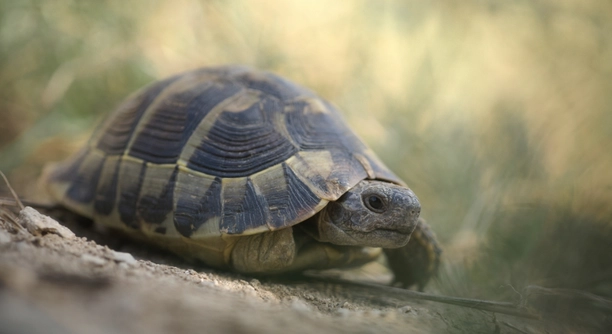
If you own a Hermann’s tortoise, you may notice your pet’s shell softening at times. This can be a concerning sign for tortoise owners. Shell issues are serious and may point to potential health problems, so it’s important to address them.
A softening shell in a Hermann’s tortoise is often a sign of metabolic bone disease or improper care. This can result from insufficient calcium, inadequate UVB lighting, or improper temperature. These factors affect the shell’s strength and structure.
By understanding these causes, you can help your tortoise get back on track. Addressing them will ensure your pet has a healthy, strong shell in the long run.
Common Causes of Softening Shells
A Hermann’s tortoise’s shell softening is often linked to specific care issues. One of the most common reasons is a lack of calcium in their diet. Calcium plays a vital role in maintaining the health and strength of the shell. Without enough calcium, your tortoise’s shell can become weak and flexible. Insufficient UVB light is another significant factor. UVB light helps tortoises absorb calcium and maintain proper bone health. Without it, their ability to metabolize calcium is hindered. Finally, improper temperatures can also contribute to soft shells. Tortoises need a warm basking area for proper digestion and overall health. If the temperature is too low, it can stress the tortoise and affect its shell. All of these factors together can lead to softening and even deformities if not addressed quickly.
To prevent this, it’s important to provide a balanced diet, proper lighting, and the right environment. Regularly check the habitat for temperature consistency and ensure the right UVB exposure.
Regular check-ups with a veterinarian can also help detect early signs of shell issues. A vet will guide you in providing a healthier environment and offer advice on proper care. Ensuring that your tortoise receives enough calcium, sunlight, and heat is the key to keeping its shell in top shape. Offering a high-quality diet with leafy greens, a calcium supplement, and adequate UVB lighting will help maintain shell strength. Providing the proper temperatures—especially in the basking area—ensures your tortoise stays healthy and avoids further issues with its shell. This proactive approach makes all the difference in maintaining a happy and healthy Hermann’s tortoise.
Signs of Metabolic Bone Disease (MBD)
If your tortoise’s shell is softening, it might indicate metabolic bone disease (MBD). MBD is a result of calcium deficiency and improper care. It’s important to recognize the signs early.
Metabolic bone disease is a condition where a tortoise’s bones, including the shell, become weak due to a lack of calcium. Over time, this can lead to deformities or even fractures in the shell. If your tortoise’s shell is soft, it’s essential to check their diet and environment. Proper calcium intake through diet and supplementation is crucial. In addition to calcium, tortoises need exposure to UVB light to properly process and utilize the calcium they consume. Without this light, even a calcium-rich diet may not be enough. The combination of these factors can result in MBD, which requires prompt attention. If you suspect MBD, consult a vet to assess the condition and recommend a treatment plan. With proper care, MBD is reversible, and your tortoise can regain its strength and shell health.
How to Improve Your Tortoise’s Diet
A balanced diet is essential for preventing shell softening. Make sure your Hermann’s tortoise has access to leafy greens, high in calcium. Offer foods like dandelion greens, collard greens, and kale, which are rich in this essential nutrient.
You can also provide calcium supplements. Dusting the food with a calcium powder can help ensure your tortoise gets enough of this vital mineral. Make sure the supplement is phosphorus-free for optimal absorption. A variety of plants and vegetables should also be offered to ensure they get other necessary vitamins and minerals. Remember that fresh, organic produce is the best choice to avoid pesticides or harmful chemicals.
In addition to calcium, your tortoise needs to stay hydrated. Fresh water should always be available, and soaking the tortoise in shallow water can encourage drinking and aid digestion. Always remove uneaten food after a few hours to avoid bacteria growth. Monitor the tortoise’s weight and appearance regularly to make sure they are thriving on their diet. This careful approach helps support overall health, including the condition of their shell.
The Role of Proper Lighting and Heat
A Hermann’s tortoise needs proper lighting to stay healthy. UVB light is essential for calcium metabolism and shell strength. Without it, they cannot absorb calcium properly, leading to softening of the shell.
Ensure your tortoise has access to a UVB light source for 10 to 12 hours each day. The light should be within 6 to 12 inches from the tortoise’s basking spot for optimal effect. UVB bulbs need to be replaced regularly, as their effectiveness diminishes over time. Using a basking lamp along with UVB light will provide the warmth your tortoise needs. A temperature of 85 to 90°F in the basking area is ideal. A cooler side of the enclosure should be around 75°F for your tortoise to regulate its body temperature.
Investing in a good UVB light and ensuring proper temperature gradients in the enclosure will help prevent shell issues. By offering the right environmental conditions, you’ll give your tortoise the best chance at staying healthy and maintaining a strong, firm shell.
The Importance of Regular Vet Check-ups
Regular veterinary check-ups help catch health problems early. A vet will examine your tortoise’s shell and overall health to ensure it’s developing properly. They can detect early signs of metabolic bone disease or other shell-related issues.
A vet can guide you in correcting any dietary or environmental problems that may be affecting your tortoise’s shell. By staying proactive with check-ups, you’ll increase the chances of your tortoise staying healthy and strong for many years. Catching problems early is key to preventing more serious issues later on.
The Best Habitat Setup for Your Tortoise
Creating the right environment is just as important as diet. Tortoises need a spacious enclosure with both a warm basking area and a cooler zone. This temperature variation helps them regulate their body heat.
Ensure the enclosure has proper ventilation and that the humidity is appropriate for a Hermann’s tortoise. Too much humidity or too little can stress your tortoise and lead to health issues. Using a substrate like coconut coir or a soil mixture will help create a comfortable environment for burrowing. A properly set-up habitat promotes health, including shell strength.
FAQ
Why is my Hermann’s tortoise’s shell soft?
A soft shell can indicate several things, but the most common cause is a lack of calcium or improper lighting. Calcium is essential for shell strength, and without adequate UVB light, your tortoise might struggle to absorb calcium properly. Environmental factors like incorrect temperatures can also contribute to a soft shell. If the basking area is too cold, your tortoise’s metabolism slows down, which can affect shell health.
What can I do to prevent my tortoise’s shell from softening?
To prevent a soft shell, you need to provide a balanced diet rich in calcium and UVB lighting. Ensure that your tortoise has access to leafy greens like dandelion or collard greens, and supplement its diet with calcium powder. Ensure it’s exposed to UVB light for 10 to 12 hours a day. Also, keep the basking area at the correct temperature to promote healthy digestion and calcium absorption.
How much calcium does my tortoise need?
The amount of calcium a tortoise needs depends on its size, age, and diet. Young tortoises typically need more calcium to support growth, while adults require less. A general rule is to dust their food with calcium powder at least 2 to 3 times a week. However, if your tortoise has metabolic bone disease, they may need more frequent supplementation, and a vet’s guidance is recommended.
Can my tortoise get enough calcium without supplements?
It’s possible for your tortoise to get enough calcium from its diet if you offer a variety of calcium-rich foods. However, due to the high calcium demands of tortoises, supplements are often necessary to ensure they meet their nutritional needs. It’s particularly important if your tortoise has limited access to UVB light or if it is not eating a broad variety of calcium-rich plants.
How do I know if my tortoise has metabolic bone disease?
Early signs of metabolic bone disease (MBD) include softening of the shell, which may feel squishy or bendable. You might also notice the shell becoming misshapen or deformed over time. In more severe cases, your tortoise could experience difficulty moving or walking. If you suspect MBD, it’s important to get your tortoise checked by a vet for diagnosis and treatment.
How can I treat metabolic bone disease in my tortoise?
Treatment for metabolic bone disease involves addressing the root cause: calcium deficiency. Your vet will likely recommend increasing your tortoise’s calcium intake, providing UVB lighting, and adjusting the temperature of its habitat. In some cases, your vet may suggest calcium injections or other treatments depending on the severity of the condition.
Can a soft shell be fixed?
Yes, a soft shell can be fixed with proper care. Early intervention is crucial. Providing calcium supplements, ensuring proper UVB exposure, and adjusting your tortoise’s environment will help it recover. The shell may take time to firm up, but with the right care, your tortoise can regain a strong shell.
What temperature should my tortoise’s enclosure be?
Your tortoise needs a temperature gradient in its enclosure, with a basking area around 85-90°F and a cooler side at around 75°F. This allows your tortoise to regulate its body temperature by moving between the warm and cooler zones. Temperature control is important for digestion, activity, and overall health.
How much UVB light does my tortoise need?
Hermann’s tortoises need 10 to 12 hours of UVB light every day. This is crucial for calcium metabolism and overall health. Make sure the UVB light is within 6 to 12 inches of your tortoise’s basking area for maximum effect. Replace the bulb every 6 months to ensure it’s providing effective UVB rays.
Can my tortoise live without UVB light?
It’s not advisable for your tortoise to live without UVB light. UVB light is essential for proper calcium absorption and maintaining a strong, healthy shell. Without UVB, your tortoise can develop metabolic bone disease and other health problems. If natural sunlight isn’t available, a UVB lamp is necessary.
Should I soak my tortoise in water?
Soaking your tortoise in shallow, warm water a few times a week helps with hydration and digestion. It also encourages your tortoise to drink more water, which is important for overall health. Be sure not to leave your tortoise in the water for too long, as this can cause stress or injury.
How do I know if my tortoise is getting enough hydration?
Signs of dehydration in a tortoise include dry, wrinkled skin, lethargy, and a lack of appetite. You can check for dehydration by gently pinching the skin on your tortoise’s neck or legs. If the skin doesn’t return to its normal position quickly, your tortoise may be dehydrated and needs more water.
What should I do if my tortoise’s shell has a crack or injury?
If your tortoise’s shell is cracked or injured, take it to a vet as soon as possible. The vet will assess the injury and may recommend treatment such as a protective covering for the shell or antibiotics to prevent infection. Never attempt to treat a shell injury yourself, as this could lead to further damage.
Can a soft shell cause my tortoise pain?
A soft shell itself may not cause immediate pain, but the underlying causes, such as metabolic bone disease or a poor environment, could lead to discomfort or other health problems. If your tortoise is showing signs of pain, such as reluctance to move or difficulty eating, it’s important to consult with a vet.
How can I improve my tortoise’s living conditions?
Improving your tortoise’s living conditions involves ensuring it has the right habitat setup. This includes proper heating, lighting, and humidity levels. Make sure the enclosure is spacious enough for your tortoise to move around freely. Keep the substrate clean and provide hiding spots to reduce stress. Regularly check temperatures and humidity to ensure consistency.
Final Thoughts
Caring for a Hermann’s tortoise requires attention to detail, especially when it comes to its diet and environment. Softening of the shell is a clear sign that something may not be quite right with your tortoise’s care. The most common causes are calcium deficiencies, lack of UVB light, and improper temperatures. These factors are easy to overlook, but they can have a significant impact on your tortoise’s health. Understanding the importance of a balanced diet, proper lighting, and the right temperature is key to preventing shell problems.
Regular check-ups with a vet can help catch issues early and ensure your tortoise is on the right track. If you notice any signs of softening or other shell abnormalities, it’s important to address them as soon as possible. Taking action early can prevent more severe issues from developing. Your tortoise’s health depends on your ability to provide the right care, including adequate calcium supplementation, UVB light exposure, and maintaining a proper temperature gradient in its habitat. Over time, with the right adjustments, your tortoise should start to show improvements in shell strength.
By focusing on these areas, you’ll be able to create a healthier and more comfortable environment for your Hermann’s tortoise. While it may take some time to see improvements, the effort is worth it. A healthy shell is a sign of a healthy tortoise, and with the right care, your tortoise can live a long, happy life. Regularly reviewing their diet, lighting, and overall living conditions ensures that they stay in the best shape possible. Keep monitoring your tortoise, and don’t hesitate to consult a vet when needed.

Hello,
If you enjoy the content that we create, please consider saying a "Thank You!" by leaving a tip.
Every little bit helps us continue crafting quality advice that supports the health, happiness, and well-being of pets around the world, for pets of all shapes, sizes, and species.
We really appreciate the kindness and support that you show us!