
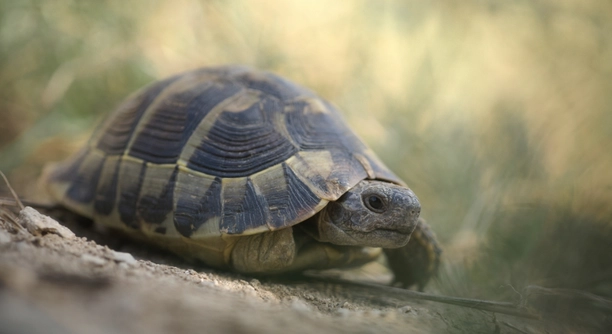
Your Hermann’s tortoise may sometimes act in ways that seem unusual or concerning. Understanding the reasons behind this behavior can help you ensure its health and comfort. There are several factors that might be at play here.
Hermann’s tortoises can act strangely due to a variety of reasons, including changes in their environment, diet, health issues, or stress. It’s important to monitor these factors closely to identify the cause of any abnormal behavior and address it accordingly.
Taking a closer look at these potential causes will help you better understand your tortoise’s needs. With a bit of attention and care, you can get your Hermann’s tortoise back to its normal routine.
1. Environmental Changes
Your Hermann’s tortoise is highly sensitive to changes in its environment. Even small shifts in temperature, humidity, or lighting can make a noticeable difference in its behavior. If you’ve recently moved your tortoise to a new enclosure or changed its habitat in any way, this could be the cause of its strange actions. Tortoises rely on a consistent environment to stay healthy and comfortable, and alterations can lead to stress or confusion.
When adjusting your tortoise’s environment, try to keep conditions stable and gradual. Extreme or sudden changes, such as moving it to a location with different light levels, can create an uncomfortable living space. It’s best to recreate the ideal setting it was used to.
If your tortoise is acting strangely, check its enclosure for any recent changes that could be causing stress. Ensure its temperature, humidity, and light are all at the proper levels. Keeping things consistent will help it feel secure again.
2. Diet Issues
Improper diet could be behind your tortoise’s unusual behavior. If your tortoise is eating less, it may indicate that its food isn’t right for its digestion or that it’s not hungry. Some foods can even cause discomfort, making your tortoise appear sluggish or uninterested.
Hermann’s tortoises need a variety of leafy greens, vegetables, and some fruits. A lack of fiber or excess protein could lead to digestive problems. Additionally, avoid feeding your tortoise foods that are high in sugar or fat, as these can cause long-term health issues.
A change in diet could be the key to restoring your tortoise’s normal behavior. Keep track of its meals and make sure it is receiving the right balance of nutrients. If your tortoise isn’t eating well, it may be time to adjust its food options.
3. Health Problems
If your Hermann’s tortoise is acting strange, it may be due to a health issue. Tortoises can suffer from various illnesses that affect their behavior, such as respiratory infections or shell problems. These conditions often lead to lethargy or lack of appetite.
A sudden change in behavior, like being unusually still or hiding more than usual, could point to a possible health issue. If your tortoise is not eating or drinking, it might be dealing with an infection or injury. It’s important to keep an eye on signs of abnormal behavior, as this can help catch health problems early.
If you notice any of these signs, it’s best to visit a vet who specializes in reptiles. Tortoises can hide their symptoms, making it difficult to detect an issue until it’s serious. Early detection and treatment can help your tortoise get back to its usual self.
4. Stress Factors
Stress is a common reason for strange behavior in Hermann’s tortoises. If there are sudden changes in their routine, noise, or handling, your tortoise could become stressed. Tortoises are creatures of habit and thrive in stable environments.
Handling your tortoise too often or placing it in a noisy environment can lead to increased stress levels. These stressors can cause your tortoise to become more withdrawn, refuse food, or move erratically. Try to limit interaction when your tortoise seems anxious and allow it time to adjust to its surroundings.
Creating a quiet, calm environment can help your tortoise feel safe again. It’s important to give it plenty of time to adjust, especially if it’s been exposed to a lot of activity or change recently.
5. Improper Lighting
Lighting plays a huge role in your tortoise’s behavior. If your Hermann’s tortoise isn’t getting the right amount of UVB light, it may become sluggish or stop eating. Without proper lighting, they can struggle to digest food and absorb calcium.
UVB light is essential for a tortoise’s health, helping them synthesize vitamin D3 and maintain strong bones. If your tortoise seems lethargic or weak, check the lighting conditions. It might need more UVB exposure, or the bulbs could be too old to emit the necessary wavelengths.
Ensure the lighting in the enclosure is adequate, and remember that it needs to be replaced regularly to maintain its effectiveness. Your tortoise depends on it for energy and health.
6. Temperature Issues
Temperature is critical to your tortoise’s well-being. If the enclosure is too hot or cold, your Hermann’s tortoise will likely exhibit strange behavior, such as hiding more or moving slower.
Make sure the temperature is balanced with a warm basking spot and a cooler area where your tortoise can regulate its body temperature. Use a thermometer to check the environment consistently. If the temperature fluctuates too much, it can stress your tortoise and affect its activity level.
7. Mating Behavior
During certain times of the year, your tortoise may display strange behavior due to mating instincts. Males, in particular, can become more aggressive or vocal when they are searching for a mate.
If you notice more activity, like head bobbing or chasing other tortoises, this is often a sign of mating behavior. Even if you don’t have other tortoises around, your tortoise may still act differently as it seeks out a mate during the breeding season. Understanding this behavior can help you prepare for any odd changes.
FAQ
Why is my Hermann’s tortoise not eating?
There are several reasons why your tortoise may not be eating. It could be due to environmental stress, like improper temperature or lighting. Health issues, such as respiratory infections or digestive problems, might also cause loss of appetite. Diet could also be a factor; if you’ve changed the food recently or it’s not to your tortoise’s liking, that could be a reason for the lack of interest in eating. It’s also important to remember that tortoises can go through periods of fasting, especially if they are stressed or adjusting to a new environment. If the loss of appetite persists, consider consulting a vet to rule out any health problems.
How can I tell if my Hermann’s tortoise is stressed?
Signs of stress in a Hermann’s tortoise include hiding more often, lethargy, lack of appetite, and erratic movements. It may also show more defensive behaviors, like retreating into its shell or trying to escape its enclosure. Stress can be caused by changes in its environment, such as new pets, loud noises, or frequent handling. Overheating, cold temperatures, or improper lighting can also stress your tortoise out. Keep an eye on its body language and behavior to identify if stress is the cause. Reducing handling, creating a calm environment, and ensuring optimal temperature and lighting may help.
What is the ideal temperature for a Hermann’s tortoise enclosure?
The temperature in your tortoise’s enclosure should vary. For a basking area, temperatures should be between 90°F to 100°F (32°C to 38°C), while the cooler side should be between 70°F to 75°F (21°C to 24°C). This temperature gradient allows your tortoise to regulate its body temperature. At night, the temperature should not drop below 65°F (18°C), as cooler temperatures can lead to stress and even health issues. Using a reliable thermometer to monitor the temperature is crucial to ensure your tortoise stays comfortable and healthy.
Why does my Hermann’s tortoise move so slowly?
If your Hermann’s tortoise is moving slower than usual, it could be due to several reasons. It might be experiencing health issues, such as dehydration, low temperatures, or an infection. In some cases, tortoises slow down as part of their natural behavior, especially when adjusting to a new environment or during colder months. If the slow movement is accompanied by other signs, like lethargy or lack of appetite, it may be worth investigating further. Adjusting the enclosure’s temperature and humidity can also help encourage more active behavior.
Can I handle my Hermann’s tortoise often?
Handling should be kept to a minimum. Tortoises generally do not enjoy frequent handling, as it can cause them stress. If you handle them too much, they might become withdrawn or more nervous. Short, gentle interactions are fine, but avoid picking them up or disturbing them too often. A tortoise needs time to feel secure in its environment, so allow it to explore its space freely without constant handling. If your tortoise seems stressed when handled, it’s best to give it some space and reduce interactions.
How do I create a suitable habitat for my Hermann’s tortoise?
A suitable habitat for your tortoise includes a spacious enclosure that mimics its natural environment. The enclosure should have both a basking area with appropriate UVB lighting and a cooler area where your tortoise can retreat. Substrate should be easy to clean and safe for your tortoise to dig in. You can use materials like coconut coir or hay. The enclosure should also be free from drafts and direct sunlight, which could make temperature control difficult. Ensure your tortoise has access to fresh water at all times and that the enclosure is large enough for your tortoise to roam freely.
Why is my Hermann’s tortoise basking too much?
If your tortoise is basking excessively, it might be too cold in the cooler part of its enclosure. Hermann’s tortoises need a temperature gradient to regulate their body heat, and if the cooler side is too cold, they may spend more time in the basking area. It’s also possible that the lighting is too intense or not positioned correctly, causing your tortoise to seek extra warmth. If excessive basking continues despite adjustments to temperature, check for underlying health issues, as it could indicate a problem with digestion or a lack of appetite.
How can I tell if my Hermann’s tortoise is dehydrated?
Signs of dehydration in your tortoise can include sunken eyes, dry or flaky skin, and sluggish behavior. A dehydrated tortoise may also refuse to drink water or eat, as dehydration can affect its appetite and digestion. To prevent dehydration, make sure your tortoise always has access to fresh water. You can also offer it water by soaking it in a shallow dish for a few minutes. This helps your tortoise rehydrate and encourages it to drink. If dehydration persists, consult a veterinarian for advice on hydration methods.
How do I clean my Hermann’s tortoise’s enclosure?
Regular cleaning of your tortoise’s enclosure is essential for its health. Remove any uneaten food and waste daily. Every couple of weeks, you should clean the entire enclosure by removing all substrate, washing the surfaces with a mild, reptile-safe disinfectant, and replacing the substrate. Make sure to disinfect any water dishes, basking areas, or hides, as bacteria can grow in these spots. Regular cleaning will help prevent odors, reduce the risk of illness, and maintain a hygienic environment for your tortoise to thrive in.
Is it normal for my tortoise to sleep a lot?
It is normal for Hermann’s tortoises to sleep for long periods, especially at night. However, if your tortoise is sleeping excessively during the day, it could be a sign of a health issue, stress, or incorrect environmental conditions. It’s important to ensure that the lighting and temperature in the enclosure are suitable for your tortoise. Tortoises may also sleep more during the colder months or if they are not feeling well. Keep track of any other signs, like loss of appetite or unusual behavior, and seek a vet’s advice if needed.
Final Thoughts
Understanding why your Hermann’s tortoise may be acting strangely is key to ensuring its well-being. There are many factors that can influence your tortoise’s behavior, from environmental conditions like temperature and lighting to stress or health issues. Being aware of these factors helps you notice when something might be wrong and take steps to fix it early. If you notice changes in its behavior, it’s always a good idea to check its habitat first to make sure the conditions are optimal.
However, if adjusting the environment and diet doesn’t seem to help, it could be time to consult with a vet. Tortoises, like all pets, can experience health problems that may not be immediately obvious. Respiratory infections, shell issues, or digestive problems could cause them to act differently. A vet who specializes in reptiles can give you a clear diagnosis and offer advice on how to treat your tortoise. By being proactive and attentive, you can avoid letting small problems become bigger ones.
Finally, it’s important to remember that some changes in behavior might be normal. Tortoises, especially as they age or go through seasonal changes, might slow down or act differently without it being a cause for concern. As long as your tortoise is eating, drinking, and staying active in its own way, it’s probably fine. Keeping an eye on its habits and knowing when to seek help will ensure your tortoise lives a healthy, happy life.

Hello,
If you enjoy the content that we create, please consider saying a "Thank You!" by leaving a tip.
Every little bit helps us continue crafting quality advice that supports the health, happiness, and well-being of pets around the world, for pets of all shapes, sizes, and species.
We really appreciate the kindness and support that you show us!