
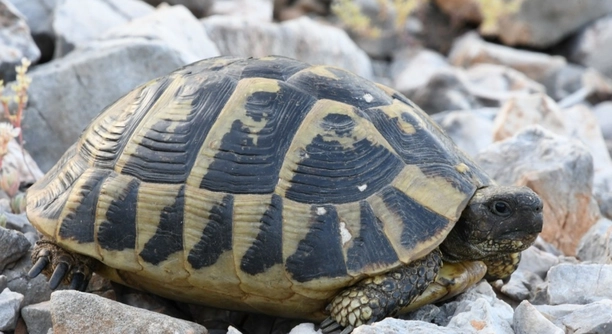
Hermann’s tortoises are known for being active and curious, but sometimes, they may not seem interested in using their hideout. This can be a concern for owners, as it affects their well-being and comfort.
The reason your Hermann’s tortoise might not be using its hideout could stem from several factors, including temperature, stress, or even the hideout’s design. A hideout that is too small, poorly placed, or not secure may discourage its use.
Your tortoise’s behavior may be influenced by its environment. Understanding how to adjust these factors can help create a more suitable living space for your pet.
Temperature Issues
Temperature plays a big role in whether your tortoise feels comfortable using its hideout. If the environment is too hot or too cold, your Hermann’s tortoise might avoid the hideout entirely. A hideout that’s too warm could make your tortoise uncomfortable, while a cold one can make them feel unsafe.
The ideal temperature for Hermann’s tortoises typically ranges from 75°F to 85°F in their enclosure. If your hideout area is too far from this range, it may deter your tortoise from using it. Tortoises seek a stable environment where they can regulate their body temperature, so check if the area around the hideout matches their needs.
To fix this, try adjusting the placement of the hideout or use heat lamps or pads to regulate the temperature. Make sure the hideout offers both a warm and cool area so your tortoise can move freely. Monitoring the temperature closely can encourage your tortoise to feel safe and secure in its home.
Stress and Anxiety
Stress can prevent your tortoise from using its hideout. Hermann’s tortoises are sensitive to changes in their surroundings.
If your tortoise has recently experienced changes in its habitat—such as new animals, loud noises, or sudden movements—it might feel uneasy and avoid the hideout. Tortoises need a sense of security to relax, and stress can cause them to retreat from their shelter.
Create a calm and quiet environment to reduce stress. Avoid disturbing your tortoise unnecessarily, and try to keep the area around its enclosure as stable as possible. You can also add plants or hides that give them a sense of safety. Once the environment becomes more peaceful, your tortoise may feel more comfortable using its hideout again.
Hideout Design
The design of the hideout could be another reason your tortoise isn’t using it. A hideout that’s too small or poorly shaped might make your tortoise feel trapped rather than secure. It’s important to consider the size, material, and shape of the hideout to ensure it meets their needs.
A Hermann’s tortoise needs a hideout that’s big enough for them to turn around comfortably. If it’s too cramped, they may avoid it altogether. Ideally, the hideout should also have enough ventilation and be made from a material that allows for temperature regulation, like wood or ceramic. Make sure the entrance is wide enough for your tortoise to get in and out easily without feeling restricted. A larger hideout with natural textures can provide the security your tortoise seeks.
Try testing different hideout designs until you find one that suits your tortoise. If your current hideout is too small, upgrading to one with more space and better features will encourage your tortoise to use it. The hideout should not only fit your pet but make them feel safe and comfortable.
Habitat Placement
Where you place your tortoise’s hideout can also affect its use. If the hideout is placed in an area with too much light, noise, or traffic, your tortoise might avoid it.
A quiet and shaded spot is ideal. Hermann’s tortoises prefer low light and will often seek refuge in darker, more private areas where they can relax. Positioning the hideout near a corner or against a wall can offer more security, reducing distractions and making your tortoise feel more protected. If your tortoise feels too exposed, it will likely avoid the hideout, no matter how comfortable it is inside.
Also, ensure the hideout isn’t near areas where other pets or people often pass. A calm, stable location gives your tortoise the reassurance it needs to use its hideout. Checking the placement of your tortoise’s hideout is a simple but effective way to encourage them to seek shelter when needed.
Hideout Type
The type of hideout you choose can influence whether your tortoise uses it. Some hideouts are too open or don’t provide enough privacy, leaving your tortoise feeling unsafe.
Tortoises prefer hideouts that offer a sense of security, which means caves or shelters that allow them to hide completely. Open hideouts can leave them feeling exposed. Choose a design that mimics natural burrows for a more comfortable experience.
Overcrowded Habitat
An overcrowded habitat could be another factor making your tortoise avoid its hideout. Too many items in the enclosure can create stress and limit the space available for your pet.
If your tortoise feels cramped or has to navigate around too many obstacles, it may not feel comfortable using its hideout. It’s essential to balance enrichment items like plants or rocks with enough space for your tortoise to move freely. This reduces stress and encourages your pet to seek shelter when needed. Keep the habitat tidy and spacious to create a peaceful environment for your tortoise.
FAQ
Why is my tortoise not using its hideout at all?
If your Hermann’s tortoise isn’t using its hideout at all, it could be a sign that something is wrong with the environment. It might be too hot or cold, making the hideout uncomfortable. The hideout might also be poorly placed or too small. Check the temperature, and ensure the hideout provides enough space for your tortoise to move freely. The placement should be quiet and not exposed to direct light or too much traffic.
Can my tortoise become too stressed to use its hideout?
Yes, stress can prevent your tortoise from using its hideout. Hermann’s tortoises are sensitive creatures, and any changes in their environment, such as loud noises, other pets, or new people, can cause anxiety. To reduce stress, ensure that their habitat is calm and quiet, with minimal disturbances. A stressed tortoise might avoid its hideout because it doesn’t feel secure, so providing a peaceful environment is essential.
How can I make the hideout more appealing to my tortoise?
Making the hideout more appealing involves adjusting a few key factors. Start by ensuring the hideout is large enough for your tortoise to move comfortably inside. The material should help regulate temperature, like ceramic or wood. Additionally, make sure the entrance is wide and free of obstructions. You can also place it in a corner or shaded area where your tortoise feels safer. Adding soft bedding like hay can also encourage your tortoise to explore the hideout.
What temperature should the hideout be for my Hermann’s tortoise?
Hermann’s tortoises prefer a temperature range between 75°F and 85°F. If the hideout is too hot or cold, it could discourage your tortoise from using it. You should place heat lamps or pads near the hideout to help regulate the temperature. Make sure there are both warmer and cooler areas within the enclosure so your tortoise can regulate its body temperature. Consistent and moderate temperature is key to making the hideout comfortable.
Is it normal for a tortoise to sleep outside of its hideout?
Yes, it’s normal for a tortoise to occasionally sleep outside of its hideout. Tortoises are known for being curious and might explore different areas of their habitat. As long as your tortoise has access to a comfortable hideout and doesn’t seem stressed or sick, occasional sleeping outside of it isn’t a problem. If it regularly avoids the hideout, that’s when you should check for temperature, stress, or design issues.
How can I tell if my tortoise is avoiding its hideout because of the environment?
To tell if your tortoise is avoiding the hideout due to environmental factors, observe its behavior. If it spends a lot of time out in the open, basking, or wandering around, it may indicate that the hideout is either too hot, cold, or uncomfortable. Check the temperature, humidity levels, and the placement of the hideout. Also, look for signs of stress such as pacing or excessive hiding in other areas, which could point to environmental discomfort.
Does the type of substrate in the hideout affect my tortoise’s behavior?
Yes, the substrate can impact your tortoise’s use of its hideout. If the substrate is too dry, too damp, or uncomfortable, it may cause your tortoise to avoid the area. Hermann’s tortoises prefer a substrate that allows them to burrow, like coconut coir or sand mixed with soil. Make sure the substrate is neither too wet nor too dry, as both can create an unpleasant environment. The right texture encourages your tortoise to feel secure and comfortable inside its hideout.
How do I know if my hideout is too small for my tortoise?
If your hideout is too small, your tortoise may not use it at all. A hideout should be large enough for your tortoise to move around comfortably inside, and it should allow your pet to retreat fully into it. If your tortoise struggles to enter or seems cramped when inside, it’s time to upgrade. You can measure the hideout and compare it to your tortoise’s size, ensuring that it provides enough space for your tortoise to feel secure.
Can my tortoise’s hideout cause health problems?
A poorly designed or maintained hideout can lead to health problems for your tortoise. If the hideout is too hot or damp, it could cause dehydration or respiratory issues. A lack of ventilation might also lead to bacterial growth, causing infections. Regularly clean the hideout and ensure it’s dry and safe. You should also check for mold, mildew, or other harmful conditions that could negatively affect your tortoise’s health.
Should I be concerned if my tortoise never uses its hideout?
If your tortoise never uses its hideout, you should assess the habitat for any potential issues. It could be a sign that the hideout isn’t offering the comfort or security your tortoise needs. Review the temperature, stress levels, size of the hideout, and the environment around it. Ensure the hideout is appropriately placed and has the right features. If nothing seems to change, it might be helpful to try a different hideout or make adjustments to the current one.
Final Thoughts
Understanding why your Hermann’s tortoise isn’t using its hideout is crucial for its well-being. It’s important to remember that tortoises are creatures of habit, and their behavior can often be linked to their environment. If your tortoise avoids its hideout, the first step is to check if the temperature is ideal. Tortoises need warmth, but too much heat or cold can make them uncomfortable. Make sure that the hideout is placed in a location that offers a comfortable range of temperatures, allowing your tortoise to regulate its body heat easily.
Another factor to consider is the design and size of the hideout. If the hideout is too small or not shaped well for your tortoise, it may not feel safe or comfortable inside. Tortoises need space to turn around and feel secure, so it’s essential to ensure the hideout is spacious enough. Additionally, the material of the hideout matters. A hideout made from materials like ceramic or wood tends to regulate temperature better, which could make your tortoise more likely to use it. Also, make sure that the entrance isn’t blocked and is wide enough for easy access.
Lastly, stress plays a big role in a tortoise’s decision to use or avoid its hideout. If there have been any recent changes in your tortoise’s environment, such as new pets or too much noise, these factors can make your tortoise feel uneasy. Try to minimize any disturbances around its habitat and ensure it has a quiet, calm space to retreat to. Observing your tortoise’s behavior and making small adjustments to its environment can go a long way in making the hideout a more inviting place.

Hello,
If you enjoy the content that we create, please consider saying a "Thank You!" by leaving a tip.
Every little bit helps us continue crafting quality advice that supports the health, happiness, and well-being of pets around the world, for pets of all shapes, sizes, and species.
We really appreciate the kindness and support that you show us!