
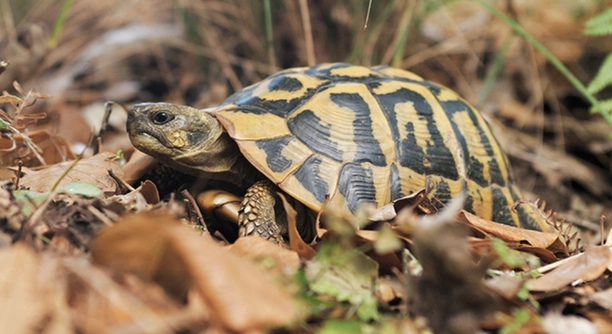
Hermann’s tortoises are lovely, low-maintenance pets, but there are factors that can make them sick if not properly managed. Their health depends on many things, such as diet, environment, and care routines.
There are several factors that can make your Hermann’s tortoise sick, including improper diet, lack of UVB lighting, wrong humidity levels, poor hygiene, temperature extremes, parasites, and stress. Each of these can negatively impact their health.
By understanding these common causes, you can better protect your tortoise and prevent potential health issues. Keeping them healthy is easier than you think once you know what to watch out for.
Improper Diet Can Lead to Illness
Hermann’s tortoises need a balanced diet to stay healthy. Feeding them the wrong foods, or not providing enough variety, can lead to health problems. They thrive on leafy greens like dandelion, clover, and collard greens, along with occasional fruits and vegetables. Too much fruit can upset their digestion, so it should be offered sparingly. Commercial pellets may be convenient, but they don’t provide the nutrients they need for proper growth. A poor diet can lead to obesity, metabolic bone disease, and other serious health conditions. Proper feeding is key to keeping your tortoise healthy.
A proper diet is critical to your tortoise’s long-term health. Without it, they may develop various health issues.
You should also avoid feeding Hermann’s tortoises foods high in oxalates, like spinach, which can cause kidney problems over time. Always remember to offer fresh, pesticide-free food. A mix of grasses, leafy greens, and occasional fruits will help support their immune system, shell growth, and overall well-being. Proper hydration is essential as well; make sure they have access to fresh water daily.
Insufficient UVB Lighting
UVB lighting is crucial for your Hermann’s tortoise. Without it, they cannot synthesize vitamin D3, which is necessary for absorbing calcium. This can lead to weak bones, deformities, and other health complications.
Ensure your tortoise has access to UVB light for at least 10-12 hours a day. Natural sunlight is always the best option, but if that’s not possible, invest in a high-quality UVB bulb. These lights help your tortoise maintain a strong, healthy shell and support their metabolic functions. Make sure the bulb is the correct distance from your tortoise and replaced regularly, as UVB output weakens over time.
Proper UVB exposure is essential for their bone health and overall vitality.
Incorrect Humidity Levels
Hermann’s tortoises need a specific range of humidity to thrive. Too much or too little humidity can cause respiratory issues, dehydration, or skin problems. They need a dry area for basking and a more humid area to help them shed their skin properly.
If the humidity is too low, your tortoise could become dehydrated, which leads to poor health and even organ failure. On the other hand, too much humidity can cause respiratory infections. Keeping a humidity level of 50-70% will help your tortoise stay healthy. You can monitor it with a hygrometer to ensure it stays in the right range.
To maintain proper humidity, use a water dish, mist the enclosure, or provide a damp hide. Regularly checking the humidity levels will help prevent these issues. Additionally, make sure there’s good ventilation to avoid mold or bacteria growth.
Temperature Extremes
Hermann’s tortoises require a stable temperature range to stay healthy. Too high or too low of a temperature can cause stress, illness, and even death. Their enclosure should have both a warm side and a cooler side to allow them to regulate their body temperature.
Daytime temperatures should range from 75-85°F (24-29°C) with a basking spot around 90°F (32°C). At night, the temperature can drop to about 70°F (21°C). Fluctuating or extreme temperatures can stress your tortoise, making them vulnerable to respiratory infections and other health issues. You can use heat lamps or ceramic heaters to maintain a consistent temperature.
It’s important to invest in a reliable thermometer to monitor the temperature regularly. Also, avoid placing the enclosure in drafty areas or near air conditioning. Proper temperature regulation will keep your tortoise comfortable and healthy.
Poor Hygiene
Keeping your Hermann’s tortoise’s habitat clean is vital to their health. Dirty enclosures can lead to parasites, infections, and respiratory issues. Regular cleaning will help prevent these problems.
Make sure to spot clean daily, removing uneaten food and waste. Perform a deep clean at least once a week to disinfect surfaces and refresh bedding. A clean environment reduces the risk of bacteria buildup, which can harm your tortoise.
Maintaining a hygienic living space will help your tortoise avoid unnecessary illnesses and thrive in a safe environment.
Parasites
Parasites are a common problem for tortoises, especially if they come from an unclean or overcrowded environment. These can lead to digestive issues, weight loss, and lethargy.
Regular vet check-ups are necessary to ensure your tortoise remains parasite-free. If you suspect your tortoise has a parasite, seek veterinary advice. Parasites can be transmitted through contaminated food, water, or bedding. Early intervention is key to treating parasites and preventing further health complications.
Stress
Stress can have serious effects on your Hermann’s tortoise’s health. It can lead to loss of appetite, weak immune systems, and even death. Common stressors include sudden environmental changes, improper handling, and the presence of other pets.
Keep your tortoise’s environment calm and stable, providing a hiding spot where they can feel secure. Avoid excessive handling and make sure other pets can’t invade their space. A stressed tortoise may not eat or drink, so it’s crucial to create a peaceful, consistent environment.
FAQ
What temperature should I keep my Hermann’s tortoise at?
Hermann’s tortoises need a temperature range between 75-85°F (24-29°C) during the day, with a basking spot reaching about 90°F (32°C). At night, the temperature should drop to around 70°F (21°C). These ranges ensure your tortoise stays comfortable and healthy. Too high or too low temperatures can cause stress and health issues. You can use heat lamps or ceramic heaters to maintain this temperature range. It’s also important to avoid drastic fluctuations in temperature, as these can negatively affect their immune system.
How much should I feed my Hermann’s tortoise?
A healthy adult Hermann’s tortoise should be fed every other day, with the majority of their diet being high-fiber plants, such as grasses, dandelion, and clover. You can also offer some leafy greens like collard greens and kale. Fruit should only be given as an occasional treat because too much sugar can lead to digestive issues. Make sure to offer fresh, pesticide-free food every time and avoid feeding them processed foods or pellets regularly. Overfeeding can lead to obesity, so portion control is key.
Can I feed my Hermann’s tortoise vegetables and fruits?
Yes, you can feed them some vegetables and fruits, but they should only make up a small part of their diet. Vegetables like zucchini, bell peppers, and carrots can be given in small quantities. Fruits, like berries or melon, should only be offered once or twice a week. Fruits are high in sugar, and too much can lead to digestive problems. Remember, variety is important, but a primarily leafy green diet is best for keeping your tortoise in good health.
How often should I clean my Hermann’s tortoise’s habitat?
You should spot clean your tortoise’s habitat every day, removing any uneaten food, waste, or debris. This helps to prevent bacteria and parasites from building up. A full cleaning, including disinfecting the surfaces and changing the bedding, should be done weekly. Ensure that the substrate remains dry and clean to avoid mold or harmful bacteria that could affect your tortoise’s health. A well-maintained habitat is essential for keeping your tortoise healthy and happy.
What should I do if my Hermann’s tortoise stops eating?
If your tortoise stops eating, it could be a sign of stress, improper temperature, illness, or environmental issues. Check that the temperature and humidity are within the right ranges. If these are correct, observe your tortoise’s behavior for signs of illness, such as lethargy, breathing problems, or changes in shell appearance. If your tortoise continues to refuse food, it’s best to take them to a vet to rule out any underlying health conditions. Stress from excessive handling or the presence of other animals can also cause a loss of appetite, so ensure their environment is calm and secure.
How can I tell if my Hermann’s tortoise is sick?
Common signs of illness in a Hermann’s tortoise include lethargy, lack of appetite, wheezing or labored breathing, abnormal stool, and a lack of movement. Shell deformities or discoloration may indicate a calcium deficiency or infection. If your tortoise has runny eyes, nasal discharge, or swollen limbs, it’s a sign that something is wrong. Always consult with a vet if you suspect your tortoise is sick, as early diagnosis can prevent more serious issues.
How can I make sure my Hermann’s tortoise gets enough UVB light?
UVB light is essential for your tortoise’s health, helping them absorb calcium and prevent metabolic bone disease. Place a high-quality UVB bulb in their enclosure, ensuring it is positioned about 10-12 inches above the basking area. Make sure the light is on for 10-12 hours a day to mimic natural sunlight. If you can, let your tortoise have time outside in the sun. Remember, UVB bulbs lose their effectiveness over time, so you’ll need to replace them every 6-12 months.
Is it safe to keep my Hermann’s tortoise outside?
Yes, it’s safe to keep your Hermann’s tortoise outside during warmer months as long as you create a secure, predator-free environment. Ensure that the area has both sunny and shady spots for them to regulate their body temperature. The outdoor enclosure should have high fences to prevent them from escaping, as tortoises can climb or dig. Make sure the temperature and humidity levels stay within the right range, and always provide access to fresh water. Be mindful of weather conditions, as extreme heat or cold can harm your tortoise.
How do I handle my Hermann’s tortoise?
Hermann’s tortoises are not overly fond of being handled often. Handling them too much can cause stress, so it’s important to be gentle and respectful of their space. When you do need to handle them, support their body fully with both hands to avoid injuring their legs or shell. Never pick them up by the tail or limbs. Allow your tortoise time to explore their environment on their own terms. Keep handling to a minimum, and only when necessary, to avoid stressing your pet.
Final Thoughts
Caring for a Hermann’s tortoise requires attention to detail and consistency, but it’s not difficult once you understand their basic needs. Providing the right environment, diet, and proper care will help your tortoise live a long and healthy life. It’s important to focus on the basics, like keeping the right temperature, humidity, and UVB lighting. These factors play a significant role in preventing many health issues that can arise from improper care. Regularly checking these aspects ensures your tortoise stays comfortable and happy.
When it comes to feeding, a balanced diet is essential. Hermann’s tortoises are herbivores, so they need a variety of greens, grasses, and some fruits and vegetables in moderation. You should avoid processed foods and stick to natural, fresh options whenever possible. Overfeeding is also something to watch out for, as it can lead to obesity and other related health problems. By offering the right foods and keeping portions controlled, your tortoise can maintain a healthy weight and digestive system.
Finally, remember that Hermann’s tortoises thrive in environments that mimic their natural habitat. Providing a clean, safe space where they can move around freely is crucial. Regular cleaning and maintaining the right humidity and temperature levels will make a big difference in their well-being. While tortoises can be low-maintenance in some ways, they still need regular care to stay healthy. By understanding their needs and providing proper care, you’re giving your tortoise the best chance at a happy, long life.

Hello,
If you enjoy the content that we create, please consider saying a "Thank You!" by leaving a tip.
Every little bit helps us continue crafting quality advice that supports the health, happiness, and well-being of pets around the world, for pets of all shapes, sizes, and species.
We really appreciate the kindness and support that you show us!