
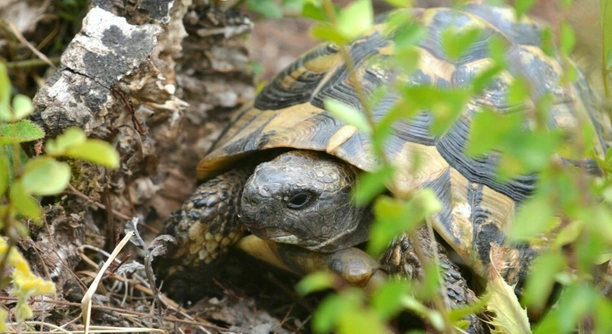
If you have a Hermann’s tortoise, you might notice it often ignores fresh water. This behavior can leave you wondering if there’s something wrong or if it’s just a quirky habit.
The most common reasons your Hermann’s tortoise may ignore fresh water include natural instincts, incorrect habitat conditions, or even health issues. Tortoises are known to be selective about their water intake, often preferring to drink from specific sources.
By understanding why your tortoise behaves this way, you can make small adjustments that encourage better hydration habits and ensure its well-being.
Why Do Tortoises Ignore Fresh Water?
Hermann’s tortoises are known for being picky when it comes to drinking water. They don’t always go for a bowl of fresh water, even when it’s readily available. This behavior could be due to their natural instincts. In the wild, these tortoises may get most of their water from the plants they eat or from morning dew, rather than from standing water. So, they might not recognize a water dish as a primary source of hydration.
It’s important to keep in mind that tortoises often drink less than you might expect. Their hydration needs are different from those of other pets, and they can survive without constant access to water. But that doesn’t mean you shouldn’t encourage proper hydration.
Creating a proper environment for your tortoise is key. If the water bowl isn’t appealing or is in a spot your tortoise avoids, it may not drink enough. Consider the placement of the water, and make sure it’s accessible and clean. Some tortoises may prefer shallow water dishes or even water droplets on plants. You may also need to experiment with different types of water containers to find one your tortoise is comfortable with.
Can Temperature Affect Their Water Intake?
Temperature is another factor that could affect how much water your tortoise drinks. Too hot or too cold in their environment can lead to reduced water intake, as they may become stressed or uncomfortable.
If your Hermann’s tortoise is exposed to temperatures that are too high or too low, it could lead to dehydration. In these cases, a tortoise may be hesitant to drink water. Ensuring the habitat stays within the ideal range, usually between 75°F to 85°F (24°C to 29°C), can help your tortoise feel comfortable enough to hydrate properly. You’ll want to monitor their basking spot and ensure that their enclosure doesn’t get too hot or cold, as this will encourage them to drink water more regularly.
Lack of Proper Hydration Methods
If your tortoise isn’t drinking water, it could be because you’re not offering it in a way that suits them. Some tortoises prefer drinking from a shallow dish, while others may prefer water droplets on plants or leaves. Try using different types of containers to see which one works best for your tortoise.
When offering water, make sure it’s clean and fresh. Tortoises can be particular about their surroundings, so a dirty or stagnant bowl may discourage them from drinking. Changing the water daily and ensuring the container is easy to access will help make the water more appealing. Remember, tortoises don’t always drink as much as you might expect, so a small change in how water is presented might make all the difference.
It’s also important to ensure the water is at the right temperature. Cold water can be unappealing, while water that’s too hot can harm your tortoise. Lukewarm water, around room temperature, is ideal for encouraging them to drink. Try adjusting the water’s temperature to see if it makes a difference in their drinking habits. Small adjustments can go a long way in improving hydration.
Illness or Health Concerns
If your Hermann’s tortoise is consistently avoiding water, health issues might be the underlying cause. Sometimes, dehydration or other health problems can make them less inclined to drink. If your tortoise isn’t eating properly or showing signs of lethargy, dehydration could be a serious concern.
A lack of water intake could also be a sign of more specific health issues, such as a respiratory infection or internal parasites. If you notice any changes in behavior, like less movement or unusual shell conditions, it’s worth taking your tortoise to a vet for a checkup. A vet can help determine whether your tortoise’s refusal to drink is due to illness, and they can suggest treatment options.
In some cases, tortoises with kidney problems may show decreased water intake. Kidney issues are more common in older tortoises, but they can affect any age. If the water avoidance seems linked to overall health deterioration, seek professional advice. Early detection of health concerns will give your tortoise a better chance at recovery.
Stress and Environmental Factors
Environmental factors such as noise, overcrowding, or sudden changes in their surroundings can cause stress for your tortoise. A stressed tortoise may become less likely to drink water, especially if it feels unsafe. Make sure the environment is calm and stable.
Ensure that your tortoise’s enclosure is in a quiet area where it won’t be disturbed by loud noises or other pets. A stressed tortoise might retreat into its shell or avoid drinking water. Providing a consistent environment with proper lighting, heat, and space will help reduce stress and encourage better hydration habits.
Inadequate Substrate
The type of substrate in your tortoise’s enclosure can affect both their comfort and their drinking habits. If the substrate is too dry or unsuitable, it could make the tortoise uncomfortable, possibly leading it to avoid water. Ensure the substrate retains moisture but isn’t too wet.
If the substrate is too dry, it can lead to dehydration, making it harder for the tortoise to stay hydrated. A balanced mix of humidity and dryness in the enclosure is crucial. The right environment encourages drinking and overall health, allowing your tortoise to thrive in a more natural setting.
FAQ
Why is my Hermann’s tortoise not drinking water?
There could be several reasons your Hermann’s tortoise is not drinking water. It may be related to their natural behavior, as wild tortoises often drink less frequently, relying more on moisture from plants and dew. In captivity, they may not immediately recognize a water dish as a source of hydration. Check if the water is clean, at an appropriate temperature, and placed in an accessible spot. Make sure the environment is stable, as stress can also discourage drinking.
How can I encourage my tortoise to drink water?
You can encourage your tortoise to drink by ensuring the water is fresh and at the right temperature, around room temperature or slightly warm. A shallow water dish may work better, as tortoises often prefer to drink from a source that mimics natural conditions, like puddles or dew on plants. Additionally, you can try misting the leaves or the inside of the enclosure to create moisture in the air, which can stimulate their natural drinking behavior.
Is it normal for a tortoise to not drink every day?
Yes, it is normal for a tortoise to not drink water every day. They often drink less frequently than other pets, as they are adapted to getting moisture from their food, like leafy greens or certain fruits. If they are eating a hydrated diet, they may not feel the need to drink water as often. However, you should always ensure they have access to fresh water, as it’s still important for their overall health.
Can a tortoise go without water for long periods?
Tortoises can go without drinking water for some time, especially if they are getting moisture from their food. However, this is not ideal for long-term health. A dehydrated tortoise can develop health problems, such as kidney issues or a weakened immune system. It’s important to monitor their hydration levels closely and ensure they always have access to fresh water.
What signs show my tortoise might be dehydrated?
Signs of dehydration in tortoises include lethargy, dry or cracked skin, sunken eyes, and a lack of appetite. You may also notice that the tortoise’s urates (the solid part of their urine) are thick or dry. If you observe any of these signs, it’s important to provide more water and consult with a veterinarian for advice on proper care.
Can stress cause my tortoise to stop drinking water?
Yes, stress is a significant factor that can cause a tortoise to stop drinking water. If the environment is too noisy, crowded, or if there are sudden changes, your tortoise may become stressed and refuse to drink. Ensuring the tortoise has a calm, stable environment can help encourage better hydration. It’s also important to provide hiding spots where they can retreat and feel safe.
Is there a specific type of water my tortoise should drink?
Tap water is generally fine for tortoises, but make sure it is free from chlorine and other harmful chemicals. If your tap water contains chlorine, let it sit for 24 hours before offering it to your tortoise, or consider using filtered water. In some cases, using bottled water or spring water may be preferable, especially if your tap water is high in minerals or other additives.
Should I offer my tortoise water in a bowl or spray it?
Both methods can work, but offering water in a shallow dish is the most straightforward way to ensure your tortoise can drink when needed. Some tortoises prefer to drink from a dish, while others may respond better to water misted on leaves or in their enclosure. You may need to try both methods to see which your tortoise prefers. It’s always best to monitor their drinking habits and make adjustments as needed.
How often should I change the water in my tortoise’s enclosure?
It’s best to change the water in your tortoise’s enclosure daily to ensure it remains clean and fresh. Stagnant water can quickly grow bacteria or attract pests, making it less appealing for your tortoise. A clean water source encourages drinking and helps prevent health problems like infections or digestive issues.
Can my tortoise get hydrated through food instead of drinking?
Yes, tortoises can get hydrated through the food they eat, particularly from leafy greens, vegetables, and fruits with high water content. Foods like cucumber, watermelon, and lettuce can help provide hydration. However, it’s still important to offer water regularly to ensure proper hydration. A balanced diet with moisture-rich foods can complement their water intake.
What should I do if my tortoise refuses to drink water for days?
If your tortoise refuses to drink for several days, it’s crucial to evaluate their environment, diet, and health. Check if the water is clean, at the right temperature, and placed in an accessible spot. If they continue to refuse water or show signs of dehydration, it’s time to consult a veterinarian. Persistent refusal to drink can indicate underlying health issues, such as kidney problems or a respiratory infection. Early intervention can help avoid complications.
Final Thoughts
It’s normal for a Hermann’s tortoise to sometimes ignore fresh water, as their hydration habits are different from many other pets. They often get moisture from their food, especially leafy greens and fruits, so they might not drink as much as expected. However, providing a clean water source and ensuring that it’s in the right location can encourage your tortoise to hydrate properly. Small changes, like adjusting the temperature of the water or offering it in a shallow dish, can also help make it more appealing. Understanding your tortoise’s natural behavior is key to managing its hydration needs.
While it’s important to offer fresh water regularly, remember that tortoises may not drink every day. If they’re eating a well-balanced diet that includes moisture-rich foods, they may get enough hydration without drinking large amounts of water. Still, dehydration can lead to serious health issues, so you must keep an eye out for signs like lethargy, dry skin, or sunken eyes. If these signs occur, it’s a good idea to consult with a vet to make sure everything is okay. Keeping their environment stress-free and stable is just as important for their overall well-being.
If your tortoise continues to refuse water for an extended period, it could signal an underlying health issue, like kidney problems or dehydration. If you notice changes in their behavior, such as a lack of appetite or unusual activity levels, it’s best to seek professional advice. Early intervention can help prevent any serious complications. Remember that every tortoise is different, and what works for one may not work for another. Patience and observation are key when it comes to ensuring your tortoise stays healthy and hydrated.

Hello,
If you enjoy the content that we create, please consider saying a "Thank You!" by leaving a tip.
Every little bit helps us continue crafting quality advice that supports the health, happiness, and well-being of pets around the world, for pets of all shapes, sizes, and species.
We really appreciate the kindness and support that you show us!