
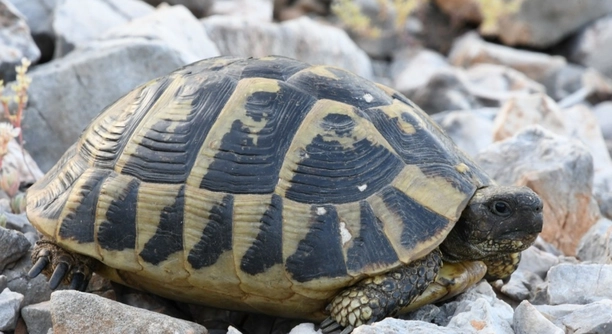
Creating a more natural environment for your Hermann’s tortoise can improve its well-being. An indoor habitat that mimics nature helps meet its physical and mental needs. This article offers simple ways to enhance your tortoise’s home.
A more natural indoor habitat for a Hermann’s tortoise can be achieved by incorporating elements such as varied terrain, plants, appropriate lighting, and moisture. These adjustments promote healthy behavior, digestion, and overall wellness. Providing a simulated natural environment mimics their wild habitat.
Small changes to your tortoise’s habitat can improve its quality of life. Enhancing their space will make them feel more comfortable and content.
Creating the Right Substrate
The right substrate helps create a natural environment for your Hermann’s tortoise. Choose a mixture of soil, sand, and coconut fiber to provide a comfortable and stimulating surface. The substrate should be deep enough for your tortoise to burrow, as they enjoy digging. Regularly clean and replace the substrate to maintain hygiene and prevent mold growth.
A well-chosen substrate also helps with humidity control, which is essential for your tortoise’s health. This combination supports natural behaviors, like burrowing and foraging. Keeping the substrate at the right depth and consistency can significantly enhance the comfort of your tortoise.
To further improve your tortoise’s environment, add patches of moss to encourage a more varied terrain. The soft texture allows your tortoise to feel more at ease. Including areas that allow the tortoise to dig will mimic natural habitats. Consider sprinkling some calcium powder over the substrate to improve their overall health. This creates a more enriching experience for your pet.
Providing Proper Lighting
Lighting is crucial for your tortoise’s health. Ensure you provide a UVB light source to simulate sunlight. Without it, your Hermann’s tortoise may struggle to process calcium properly, which can lead to health issues.
UVB lighting is vital for your tortoise’s overall well-being. A proper light cycle also mimics natural day and night patterns. Ensure the light is placed in an area where the tortoise can move between light and shade. The UVB light should be replaced every 6 months to maintain its effectiveness.
Provide a basking light to give your tortoise the warmth it needs to stay active and healthy. Set the basking spot to a temperature around 90°F. This will help with digestion and allow your tortoise to regulate its body temperature. By controlling the lighting conditions, you create an ideal space for your tortoise to thrive. Proper lighting not only supports your tortoise’s health but also contributes to a more natural habitat experience.
Adding Hiding Spots and Shelters
Your Hermann’s tortoise needs places to hide, as they feel safer in private spaces. Providing a few shelters like wooden hides or cardboard boxes allows your tortoise to retreat when stressed.
Adding hiding spots not only mimics natural behavior but also helps reduce stress. Tortoises seek out quiet, sheltered places when they feel threatened. You can place hides in different areas of the enclosure to encourage exploration and provide variety. Shelters can also offer your tortoise protection from the light or cooler areas to regulate body temperature.
Ensure the hides are large enough for your tortoise to enter and turn around. If the shelters are too small, your tortoise may feel restricted or uncomfortable. A safe space improves your tortoise’s sense of security and comfort. Make sure these hiding spots are clean and free from mold or bacteria. By placing them strategically, you create an environment where your tortoise can retreat when needed.
Introducing Natural Plants
Natural plants improve the appearance of the habitat and offer your tortoise fresh food options. Choose non-toxic plants like clover, dandelions, or hibiscus. These plants can be eaten by your tortoise and help with mental stimulation.
Adding real plants to the habitat increases its natural feel. It provides a more varied environment for your tortoise to explore. Planting edible greens and grasses ensures your tortoise has access to fresh food, reducing the need for store-bought greens. These plants will thrive in the right conditions and encourage natural foraging behavior.
Keep in mind that some plants may need occasional maintenance to remain healthy. Avoid any toxic plants that could harm your tortoise. It’s best to research each plant type and ensure they’re safe for your pet. A mix of plants provides shade, food, and interest. You’ll also see your tortoise enjoy foraging through the foliage.
Adding Rocks and Logs
Rocks and logs mimic the natural terrain of a Hermann’s tortoise’s habitat. They help provide different textures and surfaces to climb and hide.
Incorporate large, flat rocks or logs for your tortoise to climb on. These additions encourage physical activity, which is important for their health. Position them at varying heights to create obstacles and platforms for your tortoise to explore.
Ensure that the rocks are secure and won’t tip over, as they could harm your tortoise. Logs should be sturdy and free from sharp edges. These additions help improve both the aesthetic and functionality of the habitat.
Temperature and Humidity Control
Proper temperature and humidity levels are essential for your Hermann’s tortoise. Ensure that the enclosure has a basking area with temperatures reaching 90°F, while the cooler side remains around 70°F.
Humidity should be maintained between 40% and 60%. This helps prevent dehydration and encourages healthy shedding. Use a hygrometer and thermometer to monitor the conditions regularly. If the humidity is too low, consider adding a shallow water dish or misting the enclosure.
Maintaining the right environment ensures your tortoise stays active and healthy. The proper temperature encourages digestion, while the humidity helps maintain healthy skin and shell growth.
Creating a Visual Barrier
Adding a visual barrier in your tortoise’s enclosure can reduce stress and prevent unnecessary distractions. Use tall plants or larger objects to block views from outside the habitat.
A visual barrier ensures your tortoise feels secure. It can help them avoid stress caused by seeing movement or animals outside the enclosure. Create a more natural environment by adding barriers that prevent your tortoise from seeing people or other pets.
Make sure the barrier does not obstruct airflow or light. The barrier should enhance your tortoise’s sense of safety without disrupting the enclosure’s conditions.
FAQ
What type of lighting does a Hermann’s tortoise need?
Hermann’s tortoises need both UVA and UVB lighting to thrive. UVA helps with overall activity, while UVB is crucial for calcium metabolism and bone health. A good UVB light source should cover most of the enclosure and be replaced every 6 months. You can use either a fluorescent tube or a mercury vapor bulb for the best results. Keep the light on for about 12-14 hours a day to simulate natural sunlight. Ensure the basking area is heated with a separate heat light to allow your tortoise to regulate its body temperature properly.
How often should I clean my Hermann’s tortoise’s habitat?
Cleaning should be done at least once a week. This includes removing waste, replacing soiled substrate, and cleaning the water dish. Spot clean daily to remove droppings or uneaten food. A more thorough cleaning involves scrubbing the enclosure with safe, non-toxic cleaners. Regular cleaning prevents mold buildup and bacteria that could harm your tortoise. You should also replace the substrate every month to keep the habitat fresh and healthy.
Can I use artificial plants in my tortoise’s habitat?
Artificial plants can be used, but they should be non-toxic and free from sharp edges. However, real plants are a better option as they offer edible options and help with the natural aesthetic. If you opt for artificial plants, ensure they are sturdy and easy to clean. They can provide hiding spots and add visual interest, but real plants like clover, dandelions, and hibiscus are always preferable since they also serve as food for your tortoise.
How do I provide a natural temperature gradient in the habitat?
Creating a temperature gradient is simple by having different heat zones in the enclosure. Use a heat lamp over the basking area to create a hot spot around 90°F. On the cooler side of the enclosure, maintain a temperature of around 70°F. The tortoise will naturally move between these areas to regulate its body temperature. Use a thermometer to monitor the conditions and adjust the light placement as necessary to ensure consistent heating across the enclosure.
What should I feed my Hermann’s tortoise?
A Hermann’s tortoise is primarily herbivorous, and their diet should consist of a variety of leafy greens, flowers, and grasses. Offer dandelion greens, clover, mustard greens, and romaine lettuce. Avoid iceberg lettuce, as it provides little nutritional value. You can occasionally feed them fruits like strawberries or melon as a treat, but these should be given sparingly. Calcium supplements may be needed, particularly if your tortoise isn’t getting enough from their diet. Always ensure that food is fresh and clean to avoid any health issues.
How do I know if my tortoise is healthy?
A healthy Hermann’s tortoise is active, has clear eyes, and moves around its enclosure regularly. The shell should be smooth and free of cracks, and the skin should be clean and free from scabs. If your tortoise is lethargic, has swollen eyes, or shows signs of a runny nose, it could be a sign of illness. Also, check for any signs of shell rot or abnormal growth. If you notice anything unusual, consult a vet specializing in reptiles. Regularly check your tortoise’s behavior and appearance to ensure it stays healthy.
Can I keep more than one tortoise in the same enclosure?
It’s possible to keep more than one tortoise in the same enclosure, but it requires careful planning. Hermann’s tortoises are territorial animals and may become aggressive if housed together. It’s best to only house males and females together for breeding purposes, and even then, they should be closely monitored. If you keep multiple tortoises, make sure the enclosure is large enough for them to have their own space. Providing plenty of hiding spots and food areas can help minimize aggression.
How do I maintain humidity in my Hermann’s tortoise’s habitat?
Humidity levels should be kept between 40% and 60% for your Hermann’s tortoise. If the air is too dry, consider adding a shallow water dish or misting the habitat lightly each day. You can also place a humid hide or use a moist substrate to help retain moisture. Be careful not to make the enclosure too damp, as excessive humidity can lead to respiratory issues or mold growth. Regularly monitor humidity using a hygrometer to maintain ideal levels for your tortoise’s health.
What kind of substrate should I use for my Hermann’s tortoise?
A mixture of soil, sand, and coconut fiber is the best substrate for a Hermann’s tortoise. This combination provides a natural, comfortable surface that allows for burrowing. Make sure the substrate is deep enough, around 2-4 inches, for your tortoise to dig. Avoid using cedar or pine wood shavings, as these can be harmful to tortoises. The substrate should be kept dry but slightly moist to support natural behaviors without encouraging mold or bacteria growth. Clean and replace the substrate regularly to maintain a healthy environment.
How much space does a Hermann’s tortoise need in its enclosure?
The minimum recommended size for a Hermann’s tortoise enclosure is 4 feet by 2 feet for one adult tortoise. Larger enclosures are always better, especially if you plan to keep more than one tortoise. The more space you provide, the more opportunity your tortoise has to move around, exercise, and explore. An outdoor enclosure is a great option if you live in a suitable climate, but for indoor habitats, ensure the enclosure is well-equipped with hiding spots, rocks, logs, and a temperature gradient.
Final Thoughts
Creating a natural habitat for your Hermann’s tortoise inside your home is essential for its well-being and longevity. By focusing on providing proper lighting, temperature control, and a balanced diet, you can ensure that your tortoise stays healthy and active. It’s important to replicate as much of their natural environment as possible, even when they are kept indoors. This includes incorporating elements like proper substrates, plants, and spaces for hiding or basking. By offering a suitable habitat, you also create an environment where your tortoise can feel secure and comfortable, which is crucial for its mental and physical health.
Regular maintenance of the habitat is also key to ensuring your tortoise stays in good condition. Clean the enclosure frequently, remove waste, and check that all equipment, including heating and lighting, is functioning properly. Monitor the temperature and humidity levels consistently, as these can change throughout the day and night. Keeping a steady environment helps your tortoise maintain its natural behaviors and thrive. Additionally, keeping an eye on your tortoise’s behavior and appearance allows you to catch any potential health issues early, which can prevent long-term problems.
While keeping a Hermann’s tortoise indoors does present challenges, it’s certainly manageable with the right knowledge and tools. Providing them with a habitat that closely mimics their natural environment will support their health and happiness. With the right approach to enclosure setup, feeding, and care, you can help ensure that your tortoise leads a fulfilling life, both indoors and in your care. If you stay consistent with their needs and make adjustments as necessary, your Hermann’s tortoise can enjoy a safe and comfortable life for many years.

Hello,
If you enjoy the content that we create, please consider saying a "Thank You!" by leaving a tip.
Every little bit helps us continue crafting quality advice that supports the health, happiness, and well-being of pets around the world, for pets of all shapes, sizes, and species.
We really appreciate the kindness and support that you show us!