
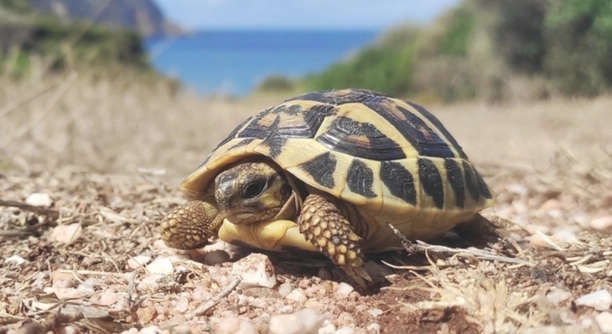
If you’ve noticed your Hermann’s tortoise repeatedly scratching the glass of its enclosure, you’re likely curious about what’s going on. This behavior can be puzzling, but understanding its cause is essential to ensure your tortoise’s well-being.
Scratching the glass is often a sign that your Hermann’s tortoise is trying to escape or is frustrated by its environment. It may be reacting to confined space, a lack of stimulation, or wanting to explore beyond its enclosure.
This behavior can indicate that your tortoise needs more space or mental enrichment. Understanding the underlying reasons will help you address the issue effectively.
Why Is My Hermann’s Tortoise Scratching the Glass?
Hermann’s tortoises are naturally curious creatures, and their need to explore is strong. Scratching at the glass could simply be a sign that they’re eager to get out and investigate what’s beyond their enclosure. This is especially common if they are housed in a small space with few opportunities for stimulation. If your tortoise is spending more time at the glass than anywhere else in the tank, it may be trying to signal that it’s time for a change. The frustration of being unable to explore could lead to repetitive scratching behavior.
It’s important to understand that your tortoise’s habitat plays a significant role in its behavior. If the enclosure doesn’t meet its needs for space or stimulation, your tortoise may feel confined and try to escape.
While glass scratching may seem harmless, it could be an indication that your tortoise is stressed. A lack of variety in its environment, such as hiding spots, climbing opportunities, or different textures to interact with, can make it feel like it’s stuck. Providing a more stimulating habitat with more room to roam and explore can help alleviate this behavior.
Lack of Space
If your Hermann’s tortoise feels cramped in its enclosure, it will likely try to escape. Tortoises need room to roam, as they are naturally active and explore their surroundings. A small tank doesn’t provide the space needed for them to thrive.
A minimum enclosure size for an adult Hermann’s tortoise is around 40 gallons, but larger is always better. Giving your tortoise more space not only reduces stress but also encourages natural behaviors, such as foraging and basking in different areas. Without enough room, your tortoise may constantly try to scratch or push against the glass, searching for more space.
Adding extra space will help satisfy their need for exploration. If you can, place different objects like rocks, logs, or plants to create an environment that allows your tortoise to explore freely. Providing room for natural movements reduces the frustration that leads to repetitive glass scratching.
Environmental Enrichment
Without proper environmental enrichment, your tortoise may become bored and stressed. Glass scratching can be a sign that they need more mental stimulation. This includes providing a variety of textures and hiding places within their habitat.
Adding safe plants or different surfaces to climb and explore can make a significant difference. Tortoises enjoy rooting through soil or digging, so offering a substrate they can burrow into, like coconut coir or topsoil, could help. A more enriching environment gives your tortoise an outlet for its curiosity and reduces the need to scratch the glass.
Another key factor is lighting. Make sure your tortoise has access to proper UVB light, which is crucial for their overall health and energy. This helps simulate natural sunlight and keeps them active and healthy, further reducing the desire to escape.
Temperature and Humidity
If the temperature or humidity levels in the enclosure are not ideal, your tortoise may feel uncomfortable and stressed. Improper conditions can lead to abnormal behavior, including glass scratching. Make sure the habitat is kept at the right temperature range.
Hermann’s tortoises need a basking area around 90°F (32°C) and a cooler zone around 70°F (21°C). Humidity levels should be between 40% and 60%. Incorrect temperatures can make your tortoise anxious, leading to increased attempts to escape. A thermometer and hygrometer will help you monitor these conditions and keep them stable.
The right temperature encourages natural behavior. A basking spot allows your tortoise to regulate its body heat, while the cooler areas give it space to retreat when needed. If the environment feels uncomfortable, your tortoise may try to find relief by scratching at the glass, signaling the need for improvement.
Diet and Health
A poor diet or health issues could also be contributing to your tortoise’s behavior. If it is not getting the proper nutrients, it may become restless and display stress through glass scratching.
Make sure your tortoise receives a varied diet of leafy greens, vegetables, and occasional fruits. Ensure they get enough calcium, which is essential for their shell growth and overall well-being. An inadequate diet can lead to health problems that might manifest in odd behaviors like scratching. A vet checkup can also rule out any underlying issues that could be contributing to the restlessness.
FAQ
Why does my Hermann’s tortoise scratch at the glass?
Glass scratching is usually a sign that your tortoise feels confined or is frustrated with its environment. Tortoises need space to roam and explore, and if the enclosure is too small or lacks enrichment, they may try to escape. It can also indicate that they are looking for more stimulation or a way out.
How can I stop my tortoise from scratching the glass?
To prevent glass scratching, first, make sure the enclosure is large enough. A bigger space will allow your tortoise to roam freely and reduce the feeling of confinement. Add enrichment items like rocks, logs, and plants to encourage natural behavior. Consider changing the layout of the tank regularly to keep things interesting. Also, ensure that the temperature, humidity, and lighting are correct for your tortoise’s needs. These changes can help relieve their frustration and calm the behavior.
Is it normal for my tortoise to scratch at the glass all the time?
No, it is not normal for your tortoise to scratch constantly. While some level of curiosity is expected, persistent scratching is often a sign of an underlying issue. If the scratching is frequent, it might be a result of too little space, lack of stimulation, or improper environmental conditions. Addressing these factors can help reduce the behavior.
Can glass scratching cause harm to my tortoise?
Glass scratching itself is not harmful, but it may indicate that your tortoise is stressed or unhappy. Chronic stress can weaken your tortoise’s immune system and lead to health problems over time. It’s essential to address the cause of the scratching to ensure your tortoise stays healthy and happy.
Should I be worried if my tortoise is scratching at the glass but eating well?
If your tortoise is eating well but still scratching at the glass, it might be more of a behavioral issue than a health concern. While it’s good that your tortoise is eating properly, it’s important to ensure it has enough space and mental stimulation. Addressing the environmental factors will likely reduce the scratching.
How often should I change the setup of my tortoise’s enclosure?
It’s a good idea to rearrange your tortoise’s enclosure every few weeks. This change keeps the environment fresh and engaging, encouraging your tortoise to explore and interact with its habitat. It can also help reduce stress and glass scratching by offering new places to hide or climb.
Can I use a smaller enclosure temporarily?
A smaller enclosure may be acceptable for a short period, but it’s not ideal for the long-term well-being of your tortoise. Hermann’s tortoises need space to move around, so keeping them in a cramped environment for extended periods can lead to stress and health issues. If you must use a smaller space temporarily, try to make it as enriching as possible.
Do I need to provide UVB lighting for my Hermann’s tortoise?
Yes, UVB lighting is essential for a Hermann’s tortoise. UVB helps them metabolize calcium and keep their shell healthy. Without UVB light, your tortoise could develop bone and shell problems. Ensure your enclosure has a proper UVB light source that mimics natural sunlight. This will also encourage natural behavior and can help reduce stress.
Can glass scratching mean my tortoise is sick?
Glass scratching is more likely to be a sign of environmental stress than illness. However, if your tortoise shows other signs of illness, such as lethargy, loss of appetite, or changes in its shell, it’s important to consult a veterinarian. Illness can sometimes cause discomfort that might lead to scratching.
How much space does a Hermann’s tortoise need?
An adult Hermann’s tortoise requires a minimum of a 40-gallon tank, but larger is always better. The more space they have, the more room they have to roam, explore, and display natural behaviors. If your tortoise is constantly scratching at the glass, it could be a sign that it needs more space to move around.
What temperature should I maintain for my tortoise?
Hermann’s tortoises need a basking area around 90°F (32°C) and a cooler zone around 70°F (21°C). The temperature gradient helps them regulate their body heat. Too hot or too cold conditions can lead to stress and discomfort, contributing to the glass scratching behavior. A reliable thermometer will help you monitor the temperature.
How can I tell if my tortoise is stressed?
Stress in tortoises can be shown through behaviors like glass scratching, refusal to eat, hiding more than usual, and being overly active or lethargic. If you notice these signs, check your tortoise’s environment to ensure it meets its needs. Stress can also be linked to poor diet or health problems, so pay attention to any changes in behavior.
Can my tortoise scratch the glass due to boredom?
Yes, boredom can lead to glass scratching. Tortoises are naturally curious animals, and if they don’t have enough to do in their enclosure, they may resort to repetitive behaviors like scratching. Adding enrichment items, such as plants, climbing objects, or tunnels, can help alleviate boredom and encourage more natural exploration.
Final Thoughts
If your Hermann’s tortoise is scratching at the glass, it’s important to pay attention to what might be causing the behavior. Tortoises are naturally curious and need plenty of space and stimulation to feel comfortable in their environment. Glass scratching is usually a sign of frustration, boredom, or stress. It can also indicate that their enclosure isn’t providing everything they need, such as enough room to move or proper environmental conditions like temperature and humidity. If your tortoise is constantly scratching, it’s a good idea to assess the space, setup, and overall conditions to see what might need to be improved.
Providing a larger enclosure is often the first step in addressing the issue. The more space your tortoise has, the better it can move around and engage with its environment. In addition to space, making the habitat more enriching with things like climbing structures, hiding spots, and varied textures will help reduce boredom and stress. These changes can encourage natural behaviors like foraging and exploring, which will not only prevent scratching but also support your tortoise’s mental and physical well-being. Keep in mind that regular changes to the enclosure setup, like rearranging objects or adding new ones, can keep things interesting for your tortoise and prevent them from feeling bored.
Additionally, check the temperature, humidity, and lighting in the enclosure. Hermann’s tortoises require a specific temperature range to feel comfortable and healthy. Too high or too low of a temperature can lead to stress, which may cause glass scratching. Ensure that your tortoise has access to UVB lighting, which is essential for its health. A balanced diet, proper hydration, and regular health checks are also important factors that contribute to your tortoise’s overall happiness. Taking these steps to improve the environment will help your tortoise feel more secure, reducing the chances of constant scratching at the glass. By providing a more natural, comfortable setup, you can help your Hermann’s tortoise live a healthier, happier life.

Hello,
If you enjoy the content that we create, please consider saying a "Thank You!" by leaving a tip.
Every little bit helps us continue crafting quality advice that supports the health, happiness, and well-being of pets around the world, for pets of all shapes, sizes, and species.
We really appreciate the kindness and support that you show us!