
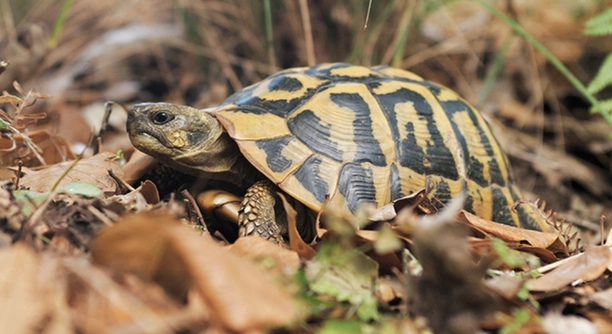
Is your Hermann’s tortoise refusing to bask? This common behavior can be concerning, especially when you’re doing everything right. Understanding why your tortoise isn’t basking could help restore healthy habits and improve its well-being.
The primary reasons for your Hermann’s tortoise not basking are environmental factors such as improper temperature, humidity, or lighting. These elements can disrupt the basking process and may cause your tortoise to avoid its basking spot altogether.
By making simple adjustments to its environment, you can encourage your tortoise to return to basking. Keep reading to discover the main things to check for and how to ensure your pet is happy and healthy.
Temperature Matters
Temperature is one of the most important factors in a tortoise’s behavior. Hermann’s tortoises rely on heat to regulate their body temperature. If the basking area is too cool, your tortoise may avoid basking altogether. Check the temperature regularly to ensure it’s within the ideal range. For basking, a spot between 85°F and 95°F (29°C to 35°C) is best. The ambient temperature in the enclosure should also be appropriate, typically ranging between 70°F and 80°F (21°C to 27°C). Too hot or too cold can stress your tortoise, making it reluctant to bask.
A reliable thermometer placed near the basking spot will help you maintain the proper conditions. Remember that too much heat can be just as harmful as too little, so always keep an eye on both the basking spot and the overall environment.
Adjusting the temperature ensures your Hermann’s tortoise feels comfortable and safe while basking. By monitoring and adjusting the heat, you can encourage your pet to bask regularly. It’s an easy fix that could make all the difference for their health.
Lighting is Key
Lighting plays a crucial role in your tortoise’s behavior. Without proper UVB lighting, your tortoise may refuse to bask. UVB light helps in the production of vitamin D3, which is vital for calcium absorption. Without it, your tortoise might feel lethargic and reluctant to bask.
UVB lighting should be placed above the basking area, and the light should be replaced every six months, as UVB output diminishes over time. Also, the light should be on a 12-hour cycle to mimic the natural day and night routine. Keep the light within a close range of the basking spot for maximum effectiveness.
If you’re using a regular incandescent bulb, it will provide heat but not UVB. Consider investing in a specialized UVB bulb designed for reptiles. It’s an essential change that can improve your tortoise’s basking habits and overall well-being.
Humidity Levels
Humidity plays a vital role in your tortoise’s overall health. Hermann’s tortoises prefer a moderate level of humidity. If the humidity is too low, it may make your tortoise uncomfortable, causing it to avoid basking.
Maintain humidity levels between 50% and 60%. If it’s too dry, your tortoise may have difficulty shedding or breathing properly. Too high humidity can also cause respiratory problems and stress. Use a hygrometer to measure the humidity and adjust it using a misting system or humidifier if necessary. A slight increase in humidity can encourage basking.
Creating a balanced environment will help your tortoise feel secure and comfortable in its habitat. With proper humidity, your tortoise will be more likely to bask regularly, supporting its health and natural behaviors.
Health Concerns
If your tortoise isn’t basking, health issues might be the reason. Illness, injury, or discomfort can cause your tortoise to become less active. If your tortoise is lethargic or not basking, it’s important to observe any other signs of health problems.
Check for signs such as labored breathing, swelling, or abnormal behavior. If your tortoise is not eating or seems disinterested in movement, it may have a health issue. In these cases, a trip to the vet is recommended to get a proper diagnosis. Sometimes, a change in behavior could be a sign of stress or discomfort due to an undetected problem.
A veterinarian can help rule out any medical conditions and guide you on proper care. Early intervention ensures your tortoise stays healthy and continues basking as it should.
Basking Spot Placement
The placement of the basking spot is key. If it’s too far from the heat source or in an area with too much draft, your tortoise might not bask.
Make sure the basking area is located in a warm, quiet, and stable spot within the enclosure. It should be easily accessible and free from disturbances. This encourages your tortoise to feel safe and comfortable while basking.
Avoid placing the basking area near areas where you regularly walk or where other pets can disrupt your tortoise. Stability is essential for your tortoise to feel confident in its basking habits.
Diet and Hydration
A poor diet or dehydration could cause your tortoise to become lethargic. If your tortoise isn’t getting enough nutrition or water, it may avoid basking altogether.
Offer a variety of fresh greens and occasional fruits. Keep a shallow dish of water available at all times. A hydrated and well-fed tortoise is more likely to engage in natural behaviors like basking, improving overall health.
FAQ
Why isn’t my Hermann’s tortoise basking as much as usual?
If your Hermann’s tortoise isn’t basking, it’s likely due to environmental factors, health issues, or stress. Check the temperature and humidity levels in the enclosure to ensure they are within the proper range. Also, make sure the basking spot is placed in a quiet area, away from drafts or distractions. If the problem persists, it could be a sign of an underlying health issue, so consider a checkup with a veterinarian.
How can I make the basking area more appealing for my tortoise?
To make the basking area more inviting, ensure it is located in a warm, stable spot with proper lighting. Use a UVB bulb and a heat lamp that provide the necessary warmth and light. Add rocks, logs, or platforms to make the area more natural and comfortable. If your tortoise feels safe and the conditions are right, it will be more likely to bask regularly.
Can poor diet cause my tortoise to stop basking?
Yes, a poor diet can contribute to lethargy and a lack of interest in basking. A well-balanced diet is essential for your tortoise’s energy and overall health. Ensure your tortoise has access to fresh greens, a variety of vegetables, and some fruits. Offer calcium and vitamin supplements as needed. Dehydration can also cause lethargy, so always provide fresh water.
Should I change the temperature of the basking area?
If your tortoise is not basking, the temperature of the basking area may need adjusting. The basking spot should be between 85°F and 95°F (29°C to 35°C), with the ambient temperature around 70°F to 80°F (21°C to 27°C). Too hot or too cold can prevent your tortoise from basking, so it’s essential to maintain the proper temperature. A thermometer is useful to monitor this.
Is my Hermann’s tortoise just being lazy?
It’s unlikely that your tortoise is being lazy. If your tortoise is not basking, it’s probably due to environmental factors or health concerns. Tortoises are naturally active and need heat to regulate their body temperature. If they avoid basking, it’s important to check their environment and behavior closely. Stress, illness, or discomfort could be the cause.
How long should my tortoise bask each day?
Hermann’s tortoises generally need 6 to 8 hours of basking time daily to stay healthy. This helps them regulate their body temperature and absorb the necessary UVB light for calcium absorption. Ensure that the basking spot is available for the appropriate amount of time and that your tortoise can retreat to a cooler area when needed.
Can I use a regular light bulb for basking?
A regular light bulb will provide heat, but it won’t emit the essential UVB rays that your tortoise needs for calcium absorption. It’s best to use a special UVB bulb designed for reptiles. These bulbs simulate natural sunlight and help your tortoise stay healthy. Make sure to replace the UVB bulb every 6 months since its effectiveness decreases over time.
How can I tell if my tortoise is sick?
If your tortoise is not basking, you may notice other signs such as lack of appetite, abnormal behavior, or difficulty moving. Look for signs like labored breathing, discharge from the nose, or swelling. A sick tortoise may become lethargic and avoid its usual activities. If you observe any of these signs, it’s important to seek veterinary care promptly.
Can stress cause my tortoise to stop basking?
Yes, stress can prevent your tortoise from basking. Stress can arise from sudden changes in the environment, the presence of other pets, or handling. Ensure that the habitat is quiet, stable, and free of disturbances. Additionally, overhandling or placing your tortoise in an unfamiliar area can cause anxiety, leading it to avoid basking. Providing a safe, peaceful space is key.
Is my tortoise getting enough UVB light?
If your tortoise is not basking, it could be due to insufficient UVB light. UVB rays are critical for vitamin D3 production, which helps in calcium absorption. Without adequate UVB light, your tortoise may feel lethargic and stop basking. Make sure the light is placed directly over the basking area and is replaced regularly to maintain optimal strength.
How often should I check the temperature and humidity?
It’s a good idea to check the temperature and humidity levels at least once a day, especially if you notice changes in your tortoise’s behavior. Use a thermometer and hygrometer to measure the temperature and humidity in the basking and overall habitat areas. Consistent checks help prevent issues that could lead to your tortoise avoiding basking.
Can I add more plants or decorations to the enclosure?
Yes, adding plants or decorations can make your tortoise’s enclosure more comfortable and natural. However, make sure that any decorations don’t block access to the basking spot or make the area feel crowded. Providing hiding spots, like small caves or logs, will allow your tortoise to feel secure and reduce stress.
Is it okay for my tortoise to bask under natural sunlight?
Yes, natural sunlight is great for your tortoise. However, make sure the temperature is within the proper range, and your tortoise has access to a shaded area to cool off. If you take your tortoise outside for natural sunlight, avoid exposing it to direct sunlight for too long, as it could overheat. Always supervise the basking process to ensure your tortoise remains safe.
Final Thoughts
Understanding why your Hermann’s tortoise isn’t basking is an important step in providing the best care possible. There are several factors to consider, from temperature and humidity to lighting and diet. Small changes in the environment can encourage your tortoise to return to its natural behaviors, including basking. Proper care and observation of your pet’s habits will help you identify potential issues and create a more comfortable space for it to thrive.
It’s essential to remember that every tortoise is different. Some may be more sensitive to environmental changes than others. If your tortoise isn’t basking, don’t panic right away. Instead, take the time to evaluate its habitat and make sure all conditions are ideal. With the right adjustments, your tortoise will likely feel more comfortable and return to basking regularly. Keeping your tortoise healthy and happy requires patience and attention to detail, but the effort is always worth it.
If environmental factors and minor adjustments don’t solve the problem, it may be time to consult a veterinarian. Health issues can sometimes cause a tortoise to avoid basking. A vet can check for underlying problems and provide guidance on how to get your pet back to good health. Whether it’s a small tweak in the habitat or a medical concern, your tortoise’s well-being is the top priority. By staying observant and proactive, you can ensure your tortoise continues to live a long, healthy life.

Hello,
If you enjoy the content that we create, please consider saying a "Thank You!" by leaving a tip.
Every little bit helps us continue crafting quality advice that supports the health, happiness, and well-being of pets around the world, for pets of all shapes, sizes, and species.
We really appreciate the kindness and support that you show us!