
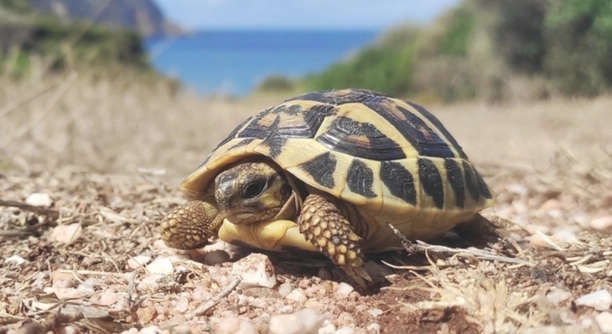
Is your Hermann’s tortoise not as active as usual? Changes in behavior like sluggishness can sometimes be worrisome. There are several factors that could explain why your pet isn’t as energetic as it used to be.
The most common reason for a Hermann’s tortoise acting lethargic is environmental stress, such as improper temperatures or lighting. A lack of proper basking spots or a change in habitat can contribute to this decreased energy.
Understanding the underlying causes can help you improve your tortoise’s health and well-being. By addressing these factors, you can ensure your pet is back to its active self.
Temperature and Lighting Issues
If your Hermann’s tortoise is acting more sluggish than usual, the first thing to check is the temperature and lighting in its enclosure. Tortoises rely heavily on heat to regulate their body temperature, and they need a basking area with temperatures ranging from 85 to 90°F (29 to 32°C). If the enclosure is too cold or the heat lamp isn’t working correctly, it can cause your tortoise to become less active. The absence of proper UVB lighting can also lead to lethargy, as it impacts their ability to process calcium and maintain a healthy metabolism.
Making sure the enclosure is at the right temperature is key to keeping your tortoise active and healthy.
Consider adjusting the basking area and making sure the temperature remains consistent throughout the day. A thermometer and UVB light bulb can make a significant difference in your tortoise’s energy levels.
Diet and Hydration
Your tortoise’s diet might be another factor contributing to its laziness. A lack of proper nutrition, including a variety of leafy greens, grasses, and occasional fruits, can result in sluggishness. Additionally, dehydration can cause them to become inactive. Make sure your tortoise has constant access to clean, fresh water, and you’re providing the right balance of foods. A lack of fiber or calcium in their diet can lead to health issues that might make them less active.
It’s important to make sure that your Hermann’s tortoise is receiving the right nutrients to stay energetic.
If your tortoise isn’t getting the right amount of food or hydration, it may lack the energy it needs. Stick to a balanced diet, and consider adding calcium supplements to ensure proper health. Providing fresh water and offering food in the right proportions is essential.
Stress and Changes in Environment
Stress can lead to a lack of energy in your tortoise. Any sudden changes in its environment, such as a new enclosure, loud noises, or even a move to a different room, can cause stress. This can result in your tortoise becoming more lethargic than usual.
Tortoises are creatures of habit and can get stressed when their environment is altered. They thrive on stability, and when things change unexpectedly, they may retreat into their shells and show less activity. If you’ve recently moved your tortoise to a new space or made changes to its habitat, consider giving it time to adjust.
Keep your tortoise’s environment as stable as possible to reduce stress. Ensure that its enclosure is quiet, comfortable, and free from sudden disturbances. Creating a routine for feeding and care can help your tortoise feel more secure and active again.
Illness or Health Problems
Health issues are another potential cause for lethargy in tortoises. If your Hermann’s tortoise is not feeling well, it might not have the energy to be as active as usual. Common illnesses include respiratory infections, parasites, or shell problems. If you notice other signs, like nasal discharge or swelling, it may be time to consult a vet.
Health problems can also affect your tortoise’s appetite, further reducing its energy. Regular checkups and keeping an eye on its behavior can help catch potential issues early. If you suspect your tortoise is sick, don’t wait too long to seek professional advice.
Pay attention to subtle changes in your tortoise’s behavior and physical appearance. A sudden lack of interest in food, excessive hiding, or difficulty moving could be signs of illness. Addressing any health issues quickly can prevent further problems and restore your tortoise’s usual activity levels.
Seasonal Changes
Hermann’s tortoises, like many reptiles, experience changes in behavior with the seasons. During colder months, they may naturally become less active. They tend to slow down or even go into a state of hibernation if the temperature drops.
In cooler seasons, their metabolism slows down, which results in them being less energetic. If the temperature in their habitat drops significantly, this can trigger a period of reduced activity or even brumation. Always check that the temperature is appropriate to keep them active.
Overfeeding or Underfeeding
The amount of food you provide can impact your tortoise’s activity levels. Overfeeding can cause your tortoise to become sluggish, while underfeeding can leave it with little energy.
A balanced diet with proper portions helps maintain your tortoise’s energy levels. Make sure you’re offering the right amount of food for its size and age.
Lack of Exercise
Tortoises are naturally active creatures. Without enough space or stimulation, they can become lethargic. Make sure your tortoise has plenty of space to move around and explore.
A large, safe area with obstacles to climb or hide in will encourage movement. A lack of exercise leads to inactivity and can negatively affect your tortoise’s health in the long run.
FAQ
Why is my Hermann’s tortoise not moving much?
There are a few reasons your tortoise may not be moving much. It could be due to environmental factors such as temperature or lighting. If your tortoise is kept in an enclosure that’s too cold or doesn’t have a proper basking area, it may become lethargic. Another possibility is that your tortoise is stressed from changes in its environment or routine. Finally, health problems like infections, parasites, or shell issues can also cause a lack of movement.
How do I know if my tortoise is hibernating or sick?
When a tortoise is hibernating, it will typically be less responsive, but you’ll notice it’s still breathing, and its body temperature will be low. Sick tortoises, on the other hand, often show signs of discomfort, such as nasal discharge, swollen eyes, or difficulty moving. If you’re unsure, it’s always a good idea to consult with a vet. A sick tortoise may not eat, move around, or show interest in its surroundings, while a hibernating one will be in a state of deep rest but still have signs of life.
Should I wake my tortoise if it’s not moving?
If your tortoise seems lethargic but isn’t in brumation, it might need a little help getting back to normal. First, check the temperature and lighting in its enclosure. If the conditions are right and it’s still not moving, it could be stressed, sick, or hungry. If it’s been inactive for an extended period and you notice other symptoms like swelling or disinterest in food, it’s best to consult a vet. If it’s hibernating or brumating, avoid disturbing it unless there are signs of illness.
What should I do if my tortoise is not eating?
If your tortoise isn’t eating, it could be a sign of stress, illness, or improper environmental conditions. Start by checking the temperature and humidity in the enclosure. A tortoise won’t eat if it’s too cold. Also, make sure the food you’re offering is fresh and varied. If there’s no improvement and your tortoise shows other symptoms like bloating, lethargy, or nasal discharge, seek veterinary help.
How often should I feed my Hermann’s tortoise?
Adult Hermann’s tortoises typically need to be fed every other day. You should offer a variety of leafy greens, grasses, and occasional fruits. Make sure the food is rich in fiber and calcium. Younger tortoises need to be fed more frequently, around once a day. You should also make sure your tortoise always has access to fresh water.
What if my tortoise is too cold?
If your tortoise’s enclosure is too cold, it can lead to lethargy or even health problems. Hermann’s tortoises need temperatures between 75-85°F (24-29°C) during the day, with a basking spot around 90°F (32°C). At night, the temperature can drop to around 65-75°F (18-24°C). If it’s too cold, your tortoise might not be able to digest food properly or stay active. Consider adding a heat lamp or adjusting the temperature in the enclosure.
Can my tortoise get too much sunlight?
Too much direct sunlight can cause your tortoise to overheat, especially if it’s not able to retreat into the shade when needed. While it’s important for your tortoise to have access to UVB light for calcium absorption and overall health, too much heat can lead to dehydration or heat stress. Make sure your tortoise has a balance of sunlight and shaded areas to regulate its body temperature.
Is it okay for my tortoise to be outside?
Yes, it can be beneficial for your tortoise to spend time outdoors, as long as the weather is appropriate. The natural sunlight provides the UVB rays necessary for your tortoise’s health. However, you should make sure that the outdoor area is secure and free from predators. Always supervise outdoor time and bring your tortoise back inside if the weather changes or if the temperature becomes too extreme.
Why is my tortoise digging more than usual?
Digging is a natural behavior for tortoises, often related to their need for shelter, nesting, or regulating their body temperature. If your tortoise is digging, it may be looking for a cooler place to rest or trying to escape its enclosure. It can also be a sign that it’s preparing for brumation if it’s the right season. Ensure that its environment is comfortable and appropriate for its needs.
Can stress cause my tortoise to stop eating?
Yes, stress can significantly affect your tortoise’s appetite. Stress can be caused by environmental changes, handling, loud noises, or even the presence of other animals. If your tortoise is stressed, it may refuse food or become lethargic. Try to create a calm, stable environment for your tortoise, and give it time to adjust. If the issue persists, it might be worth checking with a vet.
How can I help my tortoise stay active?
To keep your tortoise active, make sure its enclosure is large enough for it to move around. Include objects for it to climb on and hide under, as this encourages natural behavior. Regular exposure to UVB light and proper heating will also keep it energized. Avoid overfeeding, as it can cause sluggishness. Keep the environment stress-free to ensure your tortoise stays lively and healthy.
Final Thoughts
If your Hermann’s tortoise is acting more sluggish than usual, it’s essential to consider all the possible reasons behind this change in behavior. Environmental factors like incorrect temperatures or lighting are often the primary causes of lethargy. Tortoises need a warm, well-lit space to stay active and healthy, so adjusting their habitat is the first step in resolving the issue. Ensure that the enclosure is set up correctly with a basking area, proper UVB lighting, and the right temperature range. This will help encourage your tortoise to regain its energy and act more lively.
In addition to environmental factors, diet and hydration play a significant role in your tortoise’s activity levels. A balanced diet rich in fiber, calcium, and fresh water is necessary to maintain its energy. Overfeeding or underfeeding can cause sluggishness, so it’s important to provide the right portions according to your tortoise’s age and size. Keeping an eye on hydration is equally important, as a dehydrated tortoise can become less active. By making sure your tortoise is eating the right foods and drinking enough water, you can help boost its energy and encourage a more active lifestyle.
Lastly, if changes in behavior persist despite addressing environmental and dietary factors, it may be time to consult a veterinarian. Health issues like infections, parasites, or underlying medical conditions can also cause lethargy in tortoises. In these cases, professional care is necessary to ensure your tortoise is getting the treatment it needs to recover. Understanding the various factors that can influence your tortoise’s activity will help you maintain a healthy and happy pet. Regular observation, proper care, and attention to its needs will go a long way in keeping your tortoise active and content.

Hello,
If you enjoy the content that we create, please consider saying a "Thank You!" by leaving a tip.
Every little bit helps us continue crafting quality advice that supports the health, happiness, and well-being of pets around the world, for pets of all shapes, sizes, and species.
We really appreciate the kindness and support that you show us!