
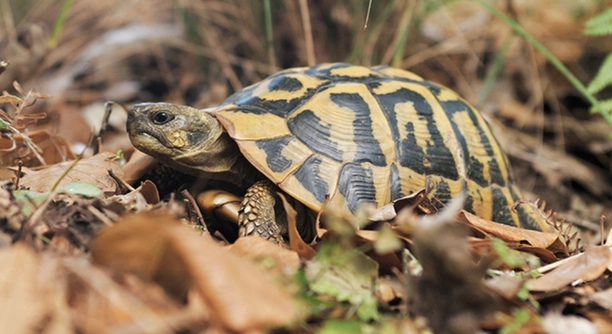
Keeping your Hermann’s tortoise’s tank fresh can be a challenge. Over time, the tank can start to develop an unpleasant odor. Proper cleaning and maintenance are essential to ensure your pet stays in a healthy, comfortable environment.
The key to keeping your Hermann’s tortoise’s tank smelling fresh is regular cleaning, proper ventilation, and maintaining a dry environment. Remove waste promptly and replace the bedding when necessary. Ensure there is good airflow to avoid stagnant odors.
With the right approach, you can maintain a clean and fresh-smelling tank. These steps will not only help you with odor control but also support your tortoise’s health and well-being in the long run.
Keep the Tank Clean
Cleaning your Hermann’s tortoise’s tank regularly is one of the best ways to prevent odors. You should remove any uneaten food, waste, and soiled bedding every few days. Depending on the tank size, a full cleaning should be done at least once a month. Make sure to wash all surfaces, including the walls, decorations, and water bowl. This will help eliminate bacteria buildup that causes unpleasant smells. Avoid using harsh chemicals that may harm your tortoise, and instead, use safe, pet-friendly cleaners.
Spot cleaning is important too. Checking for droppings and leftover food daily will help maintain a clean environment. If your tortoise tends to urinate or defecate in a specific spot, consider adding extra bedding or a liner there to absorb moisture. This simple routine keeps your tank smelling fresh without needing a deep clean every time.
Regular cleaning is essential for your pet’s health and comfort. Maintaining a consistent schedule can prevent smells from becoming a problem and ensure a safe habitat. By keeping up with spot cleaning, you can avoid the buildup of harmful bacteria that can affect your tortoise.
Use Proper Bedding
Choosing the right bedding plays a key role in keeping the tank fresh. It should be absorbent and easy to replace.
Coconut coir, aspen shavings, and hay are great options for bedding because they absorb moisture well and don’t hold odors for long. Change the bedding regularly to keep things clean.
Some materials, like sand or soil, can trap moisture and cause odor if not kept dry. Keeping bedding dry is essential to prevent bacteria from growing. You can add a layer of clean, dry bedding to help with moisture absorption, especially in areas where your tortoise spends a lot of time. Additionally, avoid overfeeding to minimize waste that will stay in the bedding for too long. A good routine of replacing bedding keeps things fresh and hygienic.
Maintain Proper Ventilation
Good airflow is key to keeping your tortoise’s tank smelling fresh. Without ventilation, humidity and moisture can build up, leading to odors and mold growth. Make sure the tank has adequate ventilation, especially if it’s a closed enclosure. You can achieve this by leaving small gaps or vents in the lid or sides of the tank.
Proper ventilation will also help regulate humidity levels. Too much moisture can cause bedding to get damp, which may lead to unpleasant smells. To keep air circulating, try placing the tank in a room with good airflow. You can also use a fan or air purifier nearby. Fresh air reduces the chances of bacterial growth and keeps the tank environment comfortable for your pet.
Regularly check the ventilation system for blockages or dirt. Keep the vents clear to maintain airflow. If you notice moisture buildup on the tank’s glass, it could mean the humidity level is too high, and you may need to adjust the ventilation or use a dehumidifier.
Keep the Water Clean
The water bowl can be a source of odor if not cleaned properly. Ensure the water is changed frequently, and the bowl is scrubbed to remove any leftover food or waste.
If your tortoise tends to splash water around, make sure to clean the surrounding area too. Dirty water can cause bacteria and mold to grow quickly, which creates a smell. Consider using a shallow water dish that is easier to clean or adding a filter to help keep the water fresh longer. Make it a habit to check the water bowl daily to ensure it’s clean and free from debris.
Keeping the water bowl clean not only prevents odors but also ensures your tortoise has access to fresh drinking water. If you use a larger tank or enclosure, you may want to place the water bowl away from the bedding area to avoid moisture buildup. It’s important to maintain a routine of washing the water bowl and changing the water to keep your tortoise healthy and comfortable. Clean water can help prevent bacterial growth and improve the overall air quality in the tank.
Use Natural Deodorizers
Natural deodorizers can be a simple way to keep the smell in your tortoise’s tank under control. Activated charcoal or baking soda are good options to absorb odors without using harsh chemicals. Place them in a discreet area of the tank, away from your tortoise.
These deodorizers work by absorbing moisture and neutralizing odors over time. Be careful not to use too much, as it may alter the humidity levels in the tank. A small container with baking soda or charcoal can be placed under the bedding or in a corner. Check and replace it regularly.
Adding natural deodorizers is an easy and safe way to manage tank odors. Activated charcoal and baking soda won’t harm your pet and help keep the tank smelling fresh. Just ensure you don’t overwhelm the space with too many products, as a balance is needed for proper air quality.
Consider Tank Placement
Where you place the tank can impact odor levels. Keep the tank in a well-ventilated room that doesn’t trap humidity. Avoid areas with too much direct sunlight, which can cause excessive heat and dry out the bedding.
If the tank is placed in a damp or poorly ventilated area, odors can quickly build up. Proper placement helps maintain a more stable environment that reduces the chances of mold and bacteria growth. A clean, dry, and well-ventilated spot will keep your tortoise’s home more pleasant and odor-free.
Avoid Overfeeding
Overfeeding your Hermann’s tortoise can lead to excess waste in the tank, which contributes to odor. Be mindful of portion sizes and feed your tortoise only what it needs. Leftover food should be removed promptly to avoid decomposition.
By controlling how much you feed, you reduce the amount of waste in the tank. Overfeeding also increases the chances of food becoming moldy or rotting, leading to unpleasant smells. Stick to a balanced feeding routine to keep the tank cleaner for longer and prevent excess waste from building up.
FAQ
How often should I clean my Hermann’s tortoise tank?
Cleaning your Hermann’s tortoise tank should be done regularly. Spot cleaning should happen every day to remove droppings and uneaten food. A full tank cleaning, which involves removing the bedding, scrubbing the surfaces, and washing the water dish, should be done at least once a month. If you notice strong odors, mold, or excessive waste, a more frequent cleaning may be necessary. Be sure to use pet-safe cleaners to avoid harming your tortoise.
What type of bedding is best for a Hermann’s tortoise tank?
Coconut coir, aspen shavings, or hay are all great choices for bedding in your tortoise’s tank. These materials are absorbent and help to control odors. Avoid using sand or soil as bedding, as they can hold moisture and cause unpleasant smells. Coconut coir is particularly beneficial because it absorbs moisture well and doesn’t hold onto odors like some other materials might. Change the bedding regularly, especially if it becomes damp or dirty.
Can I use air fresheners in my tortoise’s tank?
It’s best to avoid using commercial air fresheners in your tortoise’s tank. These products contain chemicals that could be harmful to your pet. Instead, focus on natural deodorizers like activated charcoal or baking soda, which are safe and effective. These deodorizers absorb odors without releasing harmful chemicals into the air, keeping the tank fresh and safe for your tortoise. Keep in mind that natural ventilation and proper cleaning are the most effective ways to control odors long-term.
How do I maintain the right humidity levels in the tank?
Maintaining proper humidity levels in the tank is crucial for your Hermann’s tortoise’s health. The humidity should be kept around 50-60%. To achieve this, you can mist the tank lightly with water once a day or use a humidifier if the room is too dry. Avoid letting the tank get too damp, as excess moisture can lead to mold and bad smells. Use a hygrometer to monitor the humidity levels and adjust as needed to ensure a comfortable and healthy environment for your tortoise.
What should I do if my tortoise’s tank smells even after cleaning?
If your tortoise’s tank smells after cleaning, it could be due to excess moisture or hidden waste. Check the water dish for any food remnants, as leftover food can quickly rot and cause odors. Ensure the bedding is dry and clean, as damp bedding can develop mold. If the smell persists, it may help to replace the bedding completely, wash all surfaces again, and improve ventilation by opening the tank’s vents or moving it to a more airflow-friendly area.
How can I prevent mold from growing in the tank?
Mold thrives in damp environments, so preventing excess moisture is key. Ensure that the bedding is dry and change it regularly, especially if it becomes too wet. Remove any uneaten food promptly, as decaying food can lead to mold growth. Keep the humidity levels under control and make sure the tank has good ventilation. Regular cleaning and maintaining a dry environment will significantly reduce the chances of mold growth in your tortoise’s tank.
Can I use a filter for the water bowl?
Using a water filter in your Hermann’s tortoise’s water bowl is a good idea to keep the water clean and fresh for longer. A filter will help remove impurities and debris, making the water safer for your tortoise. Just be sure to clean the filter regularly to prevent any buildup of bacteria or algae. If you prefer not to use a filter, remember to change the water daily and wash the bowl thoroughly to prevent odors from developing.
Is it okay to use a heat lamp for my tortoise’s tank?
Yes, a heat lamp is necessary to maintain the right temperature in your tortoise’s tank, but it should be used with care. The heat lamp will help create a temperature gradient within the tank, giving your tortoise a warm area and a cooler area to regulate its body temperature. However, make sure the lamp does not dry out the tank too much, as this can lead to overly dry conditions and cause health issues for your tortoise. Always monitor the tank temperature using a thermometer and adjust the heat lamp as needed.
How can I reduce the chances of my tortoise’s tank getting too humid?
To reduce humidity, you can ensure proper ventilation and avoid over-wetting the bedding. If the humidity is too high, you might want to increase ventilation by opening the tank vents or placing the tank in a room with better airflow. Also, avoid misting too often or using a humidifier if the room is already humid. A dehumidifier in the room can help as well. Keep monitoring the humidity levels with a hygrometer to ensure they stay within the ideal range for your tortoise’s health.
What type of tank setup is best for controlling odors?
The best tank setup for controlling odors includes a dry, absorbent bedding material like coconut coir, proper ventilation to ensure good airflow, and regular cleaning of the tank and water dish. Avoid overcrowding the tank with items that trap moisture, such as large plants or thick carpets. A simple setup with easily removable bedding and an accessible water bowl will help keep things clean and odor-free. Ensure the tank is placed in a location with good airflow to avoid stagnant air, which can contribute to unpleasant smells.
Final Thoughts
Keeping your Hermann’s tortoise tank fresh and clean doesn’t have to be difficult, but it does require regular attention. The key is to focus on maintaining a dry and well-ventilated environment. By cleaning the tank frequently, changing the bedding, and keeping the water dish fresh, you can significantly reduce any unpleasant odors. With the right materials, such as absorbent bedding and natural deodorizers, you’ll create a comfortable home for your tortoise while ensuring that the tank stays smelling good.
It’s also important to remember that your tortoise’s health depends on more than just the cleanliness of the tank. Proper humidity levels, ventilation, and a suitable temperature are all necessary for your pet’s well-being. Regularly checking on these factors will not only help keep the smell in check but will also ensure your tortoise remains healthy and happy. Make sure the tank is set up in a spot with good airflow, and avoid overfeeding to prevent excess waste from accumulating. These simple steps will go a long way in making your tortoise’s habitat a better place for both you and your pet.
Ultimately, maintaining a fresh-smelling tortoise tank is all about staying on top of small tasks. It’s much easier to keep things clean with a routine than to let odors and bacteria build up over time. By regularly removing waste, using natural deodorizers, and ensuring proper ventilation, you can create a pleasant environment that both you and your tortoise will enjoy. With just a little time and effort, you can prevent unpleasant odors and keep your pet’s home fresh and healthy.

Hello,
If you enjoy the content that we create, please consider saying a "Thank You!" by leaving a tip.
Every little bit helps us continue crafting quality advice that supports the health, happiness, and well-being of pets around the world, for pets of all shapes, sizes, and species.
We really appreciate the kindness and support that you show us!