
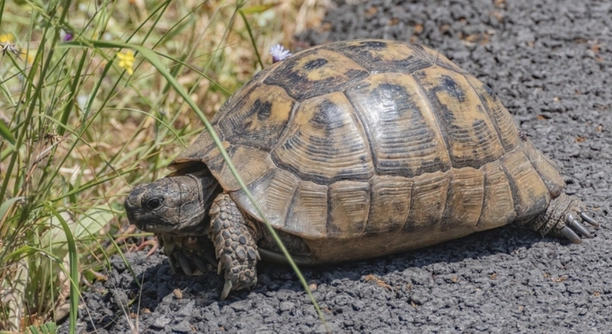
If you’ve noticed your Greek tortoise’s skin becoming darker, it may raise some concerns or curiosity. There are several reasons why this might be happening, each linked to different aspects of their health or environment.
The skin of a Greek tortoise may darken due to factors such as stress, diet changes, environmental conditions, or natural aging. It could also be influenced by dehydration, a fungal infection, or exposure to too much sunlight.
Understanding the causes behind your tortoise’s changing skin color will help you provide the best care for it. The following points will break down these factors for you.
1. Stress and Anxiety
When a Greek tortoise experiences stress or anxiety, it can cause physical changes, including darker skin. Stress can stem from various factors such as a sudden change in environment, loud noises, or being handled too often. Tortoises are naturally shy creatures, and they prefer stable, calm surroundings. If their habitat becomes stressful, it may trigger a response, causing their skin to darken.
A stressed tortoise will often hide more or show signs of being less active. This is their way of coping with the changes around them.
To reduce stress in your tortoise, maintain a quiet, peaceful environment. Avoid overhandling and provide a space where they can retreat and feel safe. Reducing stress can help bring their skin back to a healthier tone over time.
2. Diet and Nutrition
Your tortoise’s diet plays a significant role in its overall health, including the appearance of its skin. Poor nutrition can cause discoloration, including darkening. An imbalance in vitamins, minerals, or hydration may lead to issues with their skin. This is often seen when they are not getting enough calcium, vitamin D3, or other essential nutrients from their food or supplements.
To improve your tortoise’s skin condition, make sure it is getting a balanced diet. Offer a variety of leafy greens, vegetables, and safe fruits to meet their nutritional needs. Make sure they have access to fresh water, and consider adding calcium supplements if needed.
3. Environmental Factors
If your tortoise’s environment changes, their skin may respond by darkening. This could happen if their basking area is too hot or too cold. Tortoises need specific temperature ranges to thrive, and extreme shifts can affect their health, including their skin tone.
A proper temperature gradient should be maintained. The warm side of the enclosure should be between 85-90°F, while the cooler side should stay around 75-80°F. If temperatures go too high or too low, it may cause stress, resulting in darker skin as a sign of discomfort.
Make sure the habitat is properly heated and regulated, with a safe space for your tortoise to adjust. Keep track of the humidity levels, as too much dryness can also cause skin changes. By monitoring these environmental factors, you can prevent unwanted skin discoloration.
4. Dehydration
Dehydration is a common issue for tortoises, and it can lead to their skin darkening. A lack of water can make their skin dry and flaky, triggering a darker tone. Tortoises need regular access to clean water to stay hydrated.
Make sure your tortoise has a shallow water dish that’s easy to reach and drink from. Hydration is essential for their health, and it can help their skin retain its natural color. If they aren’t drinking enough, try soaking them in shallow water to encourage drinking and rehydrate them.
Dehydration can also lead to other health issues, such as constipation or lethargy. Keeping your tortoise well-hydrated will support their overall well-being and help their skin stay healthy and vibrant.
5. Fungal or Bacterial Infections
Infections can cause your tortoise’s skin to darken. Fungal or bacterial infections often lead to discoloration and changes in skin texture. These infections may develop due to poor hygiene or humidity imbalances in their habitat.
You might also notice your tortoise’s skin becoming patchy or developing sores. These infections can spread quickly, so it’s important to act fast.
To treat an infection, ensure that your tortoise’s enclosure is clean and dry. If you suspect an infection, it’s best to take your tortoise to a vet for proper diagnosis and treatment.
6. Sunlight Exposure
Too much direct sunlight can result in darker skin. While Greek tortoises do need exposure to UV light for proper shell and bone health, overexposure can cause their skin to darken.
If your tortoise spends too much time under direct sunlight without proper shade, their skin may react by darkening as a protective mechanism. Be mindful of their exposure, and always provide areas where they can retreat to cool off.
The right balance of sunlight is crucial for a healthy tortoise. Make sure their habitat provides UV light while also offering cool, shaded areas for them to rest.
FAQ
Why is my Greek tortoise’s skin turning black?
If your tortoise’s skin is turning black, it could be due to several factors, including stress, poor diet, or an infection. Sometimes, prolonged exposure to sunlight or dehydration may also cause the skin to darken. It’s essential to observe other signs, such as lethargy or unusual behavior, to identify the cause. If you’re concerned, it’s always a good idea to take your tortoise to a vet for a thorough checkup.
Can dehydration cause a Greek tortoise’s skin to darken?
Yes, dehydration can lead to skin darkening. When your tortoise doesn’t get enough water, their skin can dry out, become flaky, and darken. Make sure your tortoise has access to clean water at all times. If you notice signs of dehydration, such as sunken eyes or lethargy, try soaking them in shallow water to encourage drinking.
How can I help my Greek tortoise’s skin return to its normal color?
The first step is to identify the underlying cause. If stress or poor diet is the issue, correcting those factors should help the skin gradually return to its normal color. Make sure your tortoise’s enclosure is well-maintained with the right temperature, humidity, and UV lighting. If an infection is suspected, consult with a vet for proper treatment.
Can changes in temperature cause skin discoloration?
Yes, extreme temperatures, whether too hot or too cold, can stress out your tortoise and lead to darker skin. Tortoises need a temperature gradient in their enclosure, with a warm basking area and a cooler side for them to regulate their body heat. Keep an eye on the temperatures and adjust them as needed.
Does poor lighting affect my Greek tortoise’s skin?
Poor lighting, especially if there is a lack of UVB light, can lead to health problems that affect your tortoise’s skin. UVB light is essential for their bone health and overall well-being. Without proper exposure, they may develop skin issues, including discoloration. Ensure your tortoise has access to proper UVB lighting for at least 10-12 hours a day.
Can a fungal infection cause my tortoise’s skin to darken?
Yes, fungal infections can cause the skin to darken. Fungal infections often show up as dark, patchy areas or sores. These infections can be triggered by high humidity, dirty enclosures, or improper care. If you notice any unusual skin changes, such as spots or a change in texture, it’s best to consult a vet for treatment.
How do I prevent my tortoise from getting a skin infection?
Maintaining a clean and dry environment is key to preventing skin infections. Regularly clean the enclosure, remove waste, and ensure that humidity levels are appropriate. Also, avoid excessive handling or stress, as this weakens your tortoise’s immune system. Proper diet and hydration are also crucial to support their skin health.
Is it normal for a Greek tortoise’s skin to darken as it ages?
As Greek tortoises age, their skin color may naturally darken over time. This is typically not a cause for concern. However, if the darkening is sudden or accompanied by other signs like lethargy or loss of appetite, it’s best to investigate further for potential health issues.
What can I do if my Greek tortoise’s skin looks unhealthy?
If your tortoise’s skin looks unhealthy, the first step is to examine their environment. Make sure their enclosure has the correct temperature, humidity, and lighting. Check their diet to ensure they are getting all the necessary nutrients. If the problem persists, or if you notice other signs of illness, consult a vet for proper diagnosis and treatment.
How much sunlight should my Greek tortoise get?
Your Greek tortoise should have access to about 10-12 hours of sunlight or UVB lighting each day. This helps them metabolize calcium and maintain healthy bones. However, too much direct sunlight can lead to overheating or skin darkening. Always provide shaded areas where they can cool off if needed.
Can I give my tortoise supplements to improve its skin health?
Yes, calcium and vitamin D3 supplements are often necessary for Greek tortoises, especially if they’re not getting enough from their diet. These supplements can help improve overall health, including skin condition. However, always consult with a vet before adding supplements to your tortoise’s diet to ensure they are needed.
Is it possible for my Greek tortoise to be too hot?
Yes, too much heat can cause your tortoise stress and result in darker skin. Tortoises need a basking area with temperatures between 85-90°F and a cooler side around 75-80°F. If the temperature is too high, your tortoise may try to escape or become lethargic. Make sure your enclosure provides a proper gradient to allow them to regulate their temperature.
Can overfeeding cause skin problems in my tortoise?
Overfeeding your tortoise, especially with high-fat foods, can lead to obesity and other health issues. While it may not directly cause skin darkening, poor health can lead to a weakened immune system, making your tortoise more susceptible to infections and skin problems. Stick to a balanced, high-fiber diet to ensure their health.
How can I tell if my tortoise’s skin darkening is from stress or health issues?
If the skin darkening is accompanied by other signs of stress, such as hiding, lack of appetite, or abnormal behavior, it’s more likely stress-related. However, if there are sores, spots, or changes in texture, this could indicate an infection or health issue. In either case, it’s always a good idea to consult a vet to be sure.
Final Thoughts
When it comes to your Greek tortoise’s skin darkening, there are a variety of factors to consider. It could be something as simple as a change in environment or diet, or it could be a sign of stress or health issues. Monitoring their behavior and environment closely can help you pinpoint the cause. Regularly checking the temperature, humidity, and lighting in their enclosure can prevent many issues. A balanced diet, including proper hydration, is also key in maintaining their skin health and overall well-being.
If you notice your tortoise’s skin darkening and it doesn’t seem to improve with minor changes, such as adjusting lighting or offering more water, it’s important to consider other potential causes like infections or nutritional deficiencies. In some cases, darker skin could be a natural part of aging, but it’s still worth keeping an eye on any changes. If the darkening is accompanied by sores, unusual behavior, or a lack of appetite, it’s crucial to consult with a veterinarian. A professional can help diagnose any infections or other underlying issues and provide the right treatment for your tortoise.
Ultimately, taking a proactive approach to your tortoise’s care will help you catch any issues early and ensure they stay healthy. Regularly cleaning their enclosure, ensuring they get the right UVB light, and offering a proper diet can go a long way in preventing health problems, including skin discoloration. While some changes in skin color are normal, paying attention to other symptoms will help you make the best choices for your tortoise’s health. If you are ever uncertain, don’t hesitate to seek professional help from a vet who specializes in reptiles. Your tortoise’s health and happiness are worth the effort!

Hello,
If you enjoy the content that we create, please consider saying a "Thank You!" by leaving a tip.
Every little bit helps us continue crafting quality advice that supports the health, happiness, and well-being of pets around the world, for pets of all shapes, sizes, and species.
We really appreciate the kindness and support that you show us!