
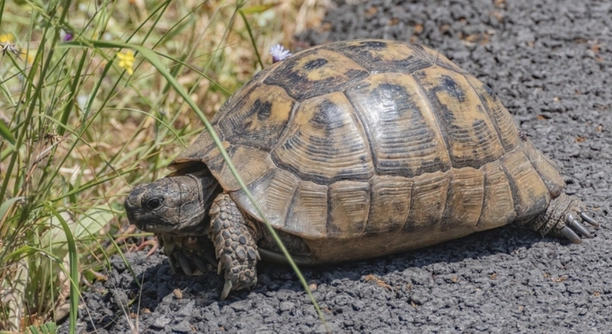
Greek tortoises are calm and gentle pets, but they can sometimes experience pain. As a tortoise owner, it’s important to recognize the signs that your pet may be hurting so you can provide the right care.
A Greek tortoise in pain may exhibit changes in behavior, like lethargy, reduced appetite, or abnormal movement. You might notice a lack of interest in its surroundings, difficulty in walking, or even physical signs like swelling or labored breathing.
Recognizing these signs early can help you keep your tortoise healthy. Understanding its body language and habits will ensure that you are giving it the care it needs to stay comfortable and safe.
Changes in Movement and Posture
One of the first signs that your Greek tortoise might be in pain is a change in its movement or posture. If your tortoise suddenly has difficulty moving, struggles to walk, or seems to avoid walking altogether, it could be in discomfort. Pain might cause it to slow down or even remain in one spot for long periods. Tortoises are generally slow movers, but if there is an obvious decline in their usual activity levels, it may indicate that something is wrong. Pay attention to how it sits or lies; unusual positioning, such as staying on one side or hunching its shell, can be a sign of physical discomfort.
A tortoise’s posture can tell you a lot about its health. If it remains hunched or appears to be stretching its neck in a way it doesn’t normally, this could be a sign of pain or distress.
When your tortoise seems stiff or unusually uncoordinated, it may indicate a problem, like injury, internal pain, or illness. A healthy tortoise should move with ease and confidence. If this changes, it’s time to evaluate its surroundings and behavior more carefully. Even subtle shifts can reveal much about your pet’s well-being.
Loss of Appetite
Another sign of pain in Greek tortoises is a loss of appetite. If your tortoise suddenly refuses food or eats much less than usual, this could be linked to discomfort. Reduced appetite is often one of the first symptoms of illness or injury, especially if the tortoise is not acting normally in other ways.
When a tortoise is in pain, it may become more stressed, and this can affect its eating habits. You might also notice that it only eats specific types of food or has trouble chewing. If your tortoise has stopped eating entirely for an extended period, it is crucial to consult a vet. Prolonged loss of appetite can lead to other health issues and needs to be addressed quickly to avoid further complications.
Regularly monitoring what your tortoise eats can help you notice subtle changes in its diet. It’s a simple yet effective way to keep track of your pet’s overall health. If you see that it’s not eating, it’s important to investigate possible reasons like pain, illness, or stress, which could be affecting its eating habits.
Swelling or Physical Changes
If your Greek tortoise’s body appears swollen or puffy, it could be a sign of pain. Swelling is often a reaction to injury, infection, or inflammation. Look closely for any bulging in its limbs, neck, or even under its shell. This could be a serious issue and requires attention.
Swelling is not always obvious, but it can be accompanied by changes in the tortoise’s movements. If it’s swollen near the limbs, it may show signs of difficulty in walking or using its limbs. Swelling near the shell could indicate internal problems or infections that need immediate attention.
A tortoise’s shell should be smooth and firm, but if it feels soft or appears dented, it’s a warning sign. These physical changes could point to more severe issues, such as shell rot, fractures, or metabolic bone disease. These conditions must be addressed by a vet for proper diagnosis and treatment.
Labored Breathing or Difficulty Breathing
Labored breathing in a Greek tortoise is another clear indicator that something is wrong. If your tortoise is breathing heavily, making unusual noises, or seems to be gasping, it may be in pain or distress. This could point to respiratory infections or other underlying issues.
Breathing problems can also cause your tortoise to act lethargic or avoid moving. You might notice that it spends more time hiding or staying in one place, likely because it feels too weak or uncomfortable to explore. Respiratory distress often worsens over time if left untreated, making early intervention essential.
A tortoise that is having trouble breathing may have more than just a respiratory issue. It could indicate something as simple as stress or as severe as a lung infection, which requires immediate care. Regular checks on your tortoise’s behavior and breathing patterns can help you spot this early. If labored breathing continues, seek veterinary care right away.
Avoiding Movement or Hiding
A tortoise that suddenly starts avoiding movement or spending more time hiding could be in pain. When in discomfort, they may retreat to a corner or burrow more than usual. This behavior is often a sign of distress or injury.
Tortoises are naturally curious animals, and they typically enjoy exploring their environment. If your tortoise becomes unusually inactive or seeks dark, quiet spots for extended periods, it may be trying to rest or escape from pain. Keep an eye on changes in its usual behavior to spot this pattern early.
Discolored Eyes or Nasal Discharge
Discolored eyes or nasal discharge is another red flag that your tortoise may be in pain. Unusual fluid around the eyes or a runny nose could signal respiratory infections, which are often painful and should be treated quickly.
If you notice any signs of watery eyes or mucus coming from the nostrils, it’s important to take action. These symptoms can worsen rapidly, so seeking veterinary care as soon as possible is essential. Respiratory infections can lead to more severe complications if not treated promptly, affecting your tortoise’s overall health.
Reduced Social Interaction
Greek tortoises can sometimes show pain by avoiding social interactions. When a normally active and social tortoise starts isolating itself or showing signs of aggression when handled, it could be suffering. Pain often leads to irritability or a desire to be left alone.
Tortoises enjoy mild social interactions with their owners, but when they’re in pain, they may become less responsive or hide. This behavioral change is a warning sign to pay closer attention to their physical condition. Avoid forcing contact if your tortoise is showing signs of irritation, as this may cause further stress.
FAQ
How can I tell if my Greek tortoise is in pain?
To identify if your Greek tortoise is in pain, look for signs like changes in movement, posture, or appetite. Pain may cause it to be less active or show difficulty walking. Swelling, labored breathing, or physical changes in the shell are also common indicators. If your tortoise is hiding more or avoiding interaction, it could be a sign of distress. Always observe for these signs and take action if they persist.
Should I be concerned if my Greek tortoise is not eating?
Yes, a sudden loss of appetite is often a clear indication of a health problem. Greek tortoises are usually good eaters, and any significant decrease in food intake could mean pain, illness, or stress. Factors like temperature or changes in their environment can also affect eating habits, but if the problem continues for more than a day or two, consult a veterinarian to rule out potential issues.
What should I do if my tortoise has swollen legs or limbs?
Swelling in the legs or limbs can be a sign of injury, infection, or metabolic issues. If your tortoise is showing any swelling, it’s important to keep it in a clean, calm environment and avoid handling it too much. Seek veterinary attention to determine the cause of the swelling. The vet may recommend medication or adjustments in care to help reduce the swelling.
Can a tortoise’s shell feel soft or dented from pain?
Yes, a soft or dented shell can be a sign of illness or injury. In many cases, this could point to metabolic bone disease, shell rot, or a trauma-related injury. If your tortoise’s shell feels soft or looks deformed, contact a vet immediately. The shell is crucial for the tortoise’s protection, and any issues should be addressed promptly.
How can I help my tortoise breathe easier if it is having trouble?
If your tortoise is having trouble breathing, it could be suffering from a respiratory infection or stress. Make sure its living area is kept warm and dry, as cold, damp environments can worsen respiratory issues. Avoid any handling that could cause additional stress, and seek immediate veterinary care to address the breathing problem.
What should I do if my Greek tortoise is hiding more than usual?
If your tortoise is hiding more than usual, it may be trying to protect itself from pain or discomfort. Greek tortoises tend to hide when they are not feeling well or need rest. Make sure its habitat is comfortable and that it has a proper hiding spot. If the behavior continues or is accompanied by other symptoms like lack of appetite or changes in movement, contact a vet to check for any underlying issues.
Is it normal for my tortoise to become aggressive if it is in pain?
Yes, aggression can sometimes be a sign that your tortoise is in pain. If a normally docile tortoise starts snapping or acting out, it could be because it is feeling vulnerable or uncomfortable. Pain or injury can cause your tortoise to act out in defense. Avoid forcing interactions and give it space to recover. A vet can help determine the cause of the pain and provide appropriate treatment.
What should I do if my tortoise’s eyes are swollen or discolored?
Swollen or discolored eyes in a Greek tortoise could be a sign of infection or injury. Eye issues can result from respiratory infections, dehydration, or other health problems. If you notice these symptoms, keep your tortoise in a warm, clean environment, and avoid handling it unnecessarily. Make an appointment with a vet to get a proper diagnosis and treatment.
Can stress cause my tortoise to stop eating or move less?
Yes, stress can impact your tortoise’s eating habits and movement. Changes in the environment, temperature fluctuations, or the presence of other animals can cause stress. If your tortoise is moving less or avoiding food, check its habitat for any stressors. Reducing stress by maintaining a consistent environment and handling your tortoise gently can help improve its well-being.
How can I tell if my tortoise has a respiratory infection?
Signs of a respiratory infection in tortoises include labored breathing, nasal discharge, wheezing, or excessive mucus. If your tortoise is exhibiting any of these symptoms, it’s important to act quickly. Respiratory infections can worsen quickly and affect your tortoise’s overall health. Keep your tortoise warm, avoid handling it too much, and contact a vet to get the right treatment.
What could cause my tortoise to stop moving or become more lethargic?
Lethargy in Greek tortoises can be caused by pain, illness, or environmental stress. If your tortoise is moving less than usual, it could be due to discomfort from an injury, infection, or other health concerns. Environmental factors like improper temperature, humidity, or lack of proper lighting can also affect its energy levels. Make sure your tortoise’s environment is suitable for its needs and take it to the vet for an evaluation if lethargy persists.
How can I help my tortoise recover from an injury?
If your tortoise is injured, it’s essential to provide a calm and safe space for recovery. Ensure its habitat is clean and free of any sharp objects that could worsen the injury. Avoid handling your tortoise too much, and keep it warm. Consult with a veterinarian to assess the injury and receive treatment recommendations. Some injuries may require medication or bandaging, so always follow the vet’s instructions carefully.
Final Thoughts
Taking care of a Greek tortoise involves closely observing its behavior and health. Tortoises can’t tell you when they’re in pain, so it’s important to watch for subtle signs that may indicate discomfort. Changes in movement, appetite, or posture are usually the first things to notice when something is wrong. If your tortoise is showing any of these signs, it’s best to take action sooner rather than later. Swelling, discolored eyes, labored breathing, or avoidance of movement should not be ignored. These are clear signs that the tortoise might be experiencing pain or stress, and a visit to the vet is often necessary.
It’s also crucial to consider the environment your tortoise is living in. Sometimes, changes in behavior can be caused by stress or discomfort due to improper habitat conditions. Ensure that the temperature, humidity, and lighting are all set correctly to make your tortoise feel at ease. Tortoises need a proper setup to thrive, so make sure it is always suitable for its needs. When all environmental factors are in place, your tortoise will have a better chance of staying healthy and happy, which can help prevent some of the signs of pain discussed earlier.
Remember, early intervention is key when it comes to tortoise health. If you notice any signs of discomfort or unusual behavior, don’t hesitate to consult with a veterinarian. Tortoises are resilient creatures, but they still need the right care to ensure a long, healthy life. By paying attention to their behavior, maintaining a comfortable habitat, and seeking medical attention when necessary, you can help your Greek tortoise lead a pain-free and content life.

Hello,
If you enjoy the content that we create, please consider saying a "Thank You!" by leaving a tip.
Every little bit helps us continue crafting quality advice that supports the health, happiness, and well-being of pets around the world, for pets of all shapes, sizes, and species.
We really appreciate the kindness and support that you show us!