
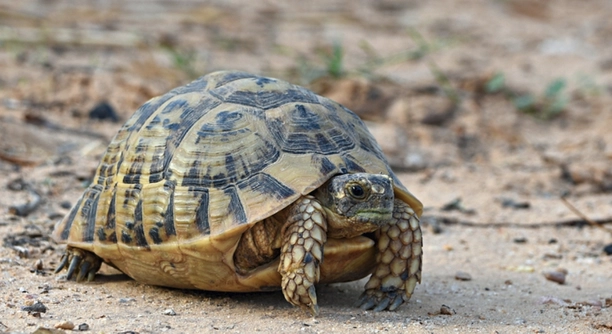
A chipping beak in your Greek tortoise can be concerning, but it’s important to understand the potential causes. Identifying the issue early can help prevent further damage and ensure your tortoise stays healthy and happy.
Beak chipping in Greek tortoises can result from several factors, including improper diet, environmental stress, or natural wear. Ensuring a proper diet rich in calcium, providing an appropriate habitat, and regular health check-ups are essential for maintaining beak health.
Addressing these causes will help promote better care for your Greek tortoise and prevent further damage to its beak.
1. Poor Diet and Lack of Nutrients
A diet lacking essential nutrients can significantly affect your Greek tortoise’s beak health. Without proper calcium, your tortoise may develop weakened, chipped, or uneven beaks. Calcium is necessary for maintaining strong bones and a healthy shell, including the beak. A diet of only leafy greens or fruit will not provide enough calcium to meet their nutritional needs.
Providing a balanced diet is crucial to preventing beak issues. Ensure you offer a variety of vegetables, grasses, and high-calcium foods like dandelion greens. You can also supplement with calcium powder or cuttlebone to provide extra support.
In addition to calcium, it’s important to offer a well-rounded diet that includes fiber, protein, and vitamins. The combination of these nutrients helps your tortoise grow properly and maintain strong beaks. Without these elements, the beak can become brittle, making it easier to chip. A balanced diet will support your tortoise’s overall health and help prevent many issues that might arise.
2. Incorrect Habitat Conditions
The environment in which your Greek tortoise lives plays a significant role in their overall well-being, including their beak health. Improper humidity, temperature, or lighting can cause stress, leading to abnormal wear or damage to the beak.
When a tortoise’s habitat is not properly set up, it can lead to physical stress that impacts their health. A too-dry or too-humid environment can cause dehydration or cause the beak to dry out and crack. Temperature fluctuations can also put additional strain on the tortoise, making it more vulnerable to injuries.
Ensure that your tortoise’s enclosure mimics its natural environment as closely as possible. Maintain the right humidity levels (between 50%-70%) and ensure there’s enough UVB lighting to help with calcium absorption. Regularly check the enclosure’s temperature and humidity to create a comfortable, healthy living space for your tortoise. This will keep them active and healthy, reducing the risk of beak damage caused by environmental stressors.
3. Overgrown Beak
An overgrown beak can also contribute to chipping. If your tortoise’s beak grows too long, it may not wear down naturally as it should. This can lead to uneven wear or, in some cases, a cracked or chipped beak.
Regularly monitor your tortoise’s beak to ensure it stays at a healthy length. If the beak is growing too long, you can carefully trim it using a specialized tool, but it’s best to consult with a veterinarian to avoid causing harm. If left unchecked, an overgrown beak can lead to feeding difficulties and discomfort for your tortoise.
Keeping the beak trimmed and healthy is essential to preventing unnecessary stress. Be mindful of your tortoise’s eating habits; if they are struggling to eat, it may be time to address the beak length. This is often a straightforward fix but requires regular attention to ensure it doesn’t become a bigger problem.
4. Aggressive Behavior or Inadequate Interaction
Greek tortoises may chip their beaks if they engage in aggressive behaviors, such as biting or fighting. This is especially true if they are housed with other tortoises in a confined space, which can lead to beak damage.
If you notice your tortoise being more aggressive than usual, it may be due to territorial disputes or overcrowding. In these situations, the constant rubbing, biting, or pushing against objects can wear down or chip their beak. Keeping tortoises in separate enclosures or limiting their contact can help prevent these types of issues.
If multiple tortoises must share the same space, ensure that the enclosure is large enough to accommodate each one comfortably. This reduces competition for resources and minimizes aggressive behavior. Monitoring their interaction closely will allow you to spot any signs of conflict early, making it easier to intervene before the beak suffers significant damage.
5. Lack of Proper Enrichment
Boredom or lack of mental stimulation can cause your tortoise to chew on objects excessively, potentially leading to beak damage. Without adequate enrichment, your tortoise may engage in repetitive behavior, such as gnawing on rocks or cage bars.
Providing a variety of safe objects to interact with can keep your tortoise entertained and help prevent unwanted chewing. Offering natural materials like logs, safe branches, or digging areas will allow your tortoise to express natural behaviors without harming its beak. Regularly changing the enrichment items will keep your tortoise mentally stimulated and prevent stress-related behaviors.
Creating a stimulating environment can prevent many issues that stem from boredom. It doesn’t take much to introduce variety into their habitat, but the positive impact on your tortoise’s overall well-being will be noticeable.
6. Health Issues or Underlying Medical Conditions
Sometimes, beak chipping is a sign of an underlying health issue. Nutritional deficiencies, infections, or even metabolic bone disease can all contribute to abnormal beak wear. If your tortoise’s beak chips despite proper care, it might be time to consult a veterinarian.
Health conditions can affect the structure and strength of your tortoise’s beak. A lack of essential nutrients or a systemic infection can cause the beak to become more fragile, leading to cracks or chips. Conditions such as metabolic bone disease weaken bones, including the beak, making it more susceptible to damage.
A thorough check-up by a vet is the best way to rule out or address any medical conditions affecting your tortoise’s beak. They will also guide you on proper diet changes or treatments that may help heal the damage.
7. Environmental Toxins
Exposure to harmful chemicals or toxins in the environment can also cause damage to your tortoise’s beak. Polluted water, pesticide-treated plants, or harsh cleaning chemicals may result in weakening of the beak, leading to chipping.
Ensure your tortoise’s environment is free from harmful substances. Use only non-toxic cleaning supplies and avoid introducing any chemicals into the enclosure. Be mindful of the plants you provide, making sure they are safe for consumption. Always rinse any plants thoroughly before offering them to your tortoise.
FAQ
What are the signs that my tortoise’s beak is chipped?
A chipped beak may present as small cracks or uneven areas on the beak’s surface. You might notice changes in your tortoise’s eating habits, such as struggling to chew food or avoiding certain textures. If the beak appears jagged or broken, it’s best to inspect it closely for any signs of wear or damage.
Can I fix my tortoise’s chipped beak at home?
It’s not recommended to try trimming or repairing the beak on your own, as this could cause further damage. If the beak is significantly chipped, it’s best to take your tortoise to a veterinarian who specializes in reptiles. They can assess the damage and determine if any treatment is necessary.
How do I prevent my tortoise’s beak from chipping?
The best way to prevent beak damage is by ensuring a balanced diet rich in calcium and fiber. Providing a proper habitat with adequate humidity, temperature, and UV lighting is also crucial. Keep your tortoise’s environment free from toxic chemicals and ensure regular health check-ups.
Should I be concerned if my tortoise’s beak is slightly worn down?
Slight wear is normal as tortoises naturally use their beaks to break down food. However, if you notice significant cracking or if the tortoise is having trouble eating, it’s important to monitor the situation. Regular checks and a balanced diet can help prevent further issues.
Is it normal for a tortoise’s beak to grow long?
Yes, a tortoise’s beak can grow longer if it isn’t naturally worn down through proper diet and habitat. If the beak becomes overgrown, it can affect feeding and overall health. In these cases, it may require professional trimming by a veterinarian.
What should I do if my tortoise has a cracked beak?
If your tortoise has a cracked beak, it’s important to assess the severity. Minor cracks may heal on their own if the tortoise is in good health, but larger cracks or chips require a veterinarian’s attention. Keep your tortoise’s diet rich in calcium and ensure they’re not in an overly stressful environment.
Can beak chipping be caused by stress?
Yes, stress from environmental factors or aggressive behavior can cause your tortoise to exhibit abnormal habits like excessive biting or rubbing, leading to beak damage. Reducing stress by maintaining a proper habitat and providing a stimulating environment can help prevent this.
Is it common for Greek tortoises to have beak problems?
Greek tortoises are generally hardy, but like any reptile, they are susceptible to beak issues. Nutritional imbalances, improper living conditions, and stress are the most common causes. Regular care and proper habitat maintenance will minimize the risk of these problems.
What foods help maintain a healthy beak for my tortoise?
A balanced diet with a mix of high-fiber greens, grasses, and calcium-rich foods like dandelion greens or kale is crucial for maintaining a healthy beak. You can also supplement with cuttlebone or calcium powder to ensure your tortoise receives enough calcium for strong bone structure.
Can I use a UVB light to help prevent beak problems?
Yes, UVB lighting plays a vital role in calcium absorption, which directly impacts the health of your tortoise’s beak. Proper UVB exposure helps prevent calcium deficiencies that can lead to weakened beaks or other health problems. Ensure your tortoise gets 10-12 hours of UVB light each day.
Final Thoughts
Taking care of a Greek tortoise involves attention to several factors, including diet, environment, and overall health. While beak chipping may seem alarming, it is often preventable by maintaining proper care. A balanced diet with sufficient calcium, fiber, and essential nutrients plays a significant role in keeping the beak strong and healthy. Providing your tortoise with appropriate enrichment and safe objects to interact with can also help prevent unwanted chewing that may result in beak damage.
It’s important to remember that beak wear, to a certain extent, is natural. Tortoises use their beaks for breaking down food and interacting with their environment. Minor wear and tear may not pose any immediate concern, but more significant chips or cracks can cause discomfort or difficulty eating. Regular checks of your tortoise’s beak, along with maintaining a clean and stress-free environment, will go a long way in ensuring its well-being.
If your tortoise shows signs of more severe beak issues or you notice a change in behavior or eating habits, seeking professional help is the best course of action. A veterinarian specializing in reptiles can offer guidance on the appropriate treatment, whether it involves dietary adjustments, environmental changes, or medical intervention. Early detection and proper care will keep your tortoise comfortable and healthy for years to come.

Hello,
If you enjoy the content that we create, please consider saying a "Thank You!" by leaving a tip.
Every little bit helps us continue crafting quality advice that supports the health, happiness, and well-being of pets around the world, for pets of all shapes, sizes, and species.
We really appreciate the kindness and support that you show us!