
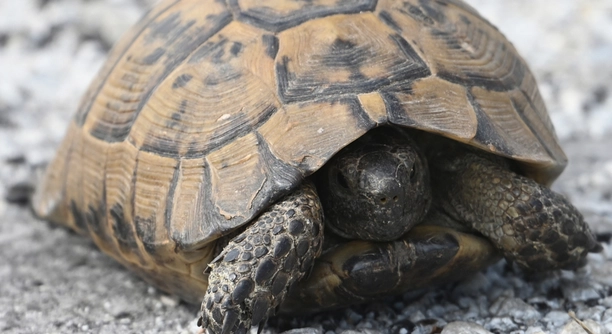
Setting up a proper habitat for your Greek tortoise requires careful planning. It is essential to provide the right environment for them to thrive, ensuring they feel secure and comfortable in their new home.
The key to creating a healthy Greek tortoise habitat is having the right supplies. You will need a spacious enclosure, proper lighting, heating equipment, a suitable substrate, a water dish, hiding spots, and access to fresh food for their diet.
These essentials will create a safe, welcoming environment for your tortoise, setting the foundation for a long and healthy life.
Choosing the Right Enclosure
When selecting an enclosure for your Greek tortoise, it’s important to choose a space that gives them plenty of room to roam. A glass aquarium, a wooden box, or an outdoor pen can work well, depending on your space. The enclosure should have proper ventilation and enough space for them to move comfortably. Aim for at least a 40-gallon tank or an area that provides ample space for them to roam freely. Ensure the walls are high enough to prevent escape, and if you plan to keep them outdoors, make sure the enclosure is predator-proof. Also, provide a consistent temperature range inside the habitat to keep them active and healthy.
It’s essential to secure the enclosure, especially if your tortoise will spend time outside.
A strong, secure lid will prevent predators from entering, while also ensuring that your tortoise can’t escape. Make sure the enclosure is placed in a spot where it won’t get too hot or too cold.
Proper Lighting and Heating
Greek tortoises require a heat source to stay active, as they are cold-blooded animals. A heat lamp or ceramic heater should be used to maintain a temperature range between 80 and 90 degrees Fahrenheit. Daytime temperatures should range between 80 to 85 degrees, while the cooler area of the habitat should stay around 70 degrees. Additionally, they need UVB light to support their natural biological processes, such as calcium absorption for strong bones. Ensure the lighting is on for 10-12 hours each day.
A UVB bulb, placed above the tortoise’s basking area, provides a crucial supplement to natural sunlight. It also mimics the sun’s rays, which is essential for their overall health.
Avoid using heat mats on the bottom of the enclosure, as these can lead to overheating and discomfort. Instead, place the heat source above the enclosure.
Selecting the Right Substrate
The substrate is an important factor in your Greek tortoise’s habitat. It should mimic their natural environment while being easy to clean. Choose a material that allows them to dig, as this is a natural behavior. Options include organic topsoil, coconut coir, or shredded bark. Avoid using sand, as it can cause digestive problems if ingested.
Substrate helps to maintain humidity levels in the habitat, which is crucial for their health. Ensure the substrate is deep enough for burrowing, about 3-4 inches.
The substrate should also be kept dry to prevent mold growth. Spot clean regularly to keep the habitat hygienic. Remove any waste or uneaten food to avoid attracting pests.
Providing Fresh Water
Always ensure your Greek tortoise has access to fresh water. A shallow, wide water dish is best, so they can drink without submerging themselves. Change the water daily to keep it clean and free of contaminants.
You may also provide a water source for them to soak in, especially if you live in a dry climate. This helps with hydration and can assist with shedding.
It’s important to monitor the water levels and keep the dish clean to prevent bacteria growth. Providing fresh water helps maintain the tortoise’s health, particularly in a dry, heated environment.
Hiding Spots
Greek tortoises enjoy having places to hide. Providing a few hiding spots in their habitat will help them feel safe and secure. You can use items like ceramic caves, pieces of bark, or even a cardboard box. Ensure the hiding spots are large enough for them to fit comfortably.
The hiding areas should also be placed in the cooler zones of the habitat, allowing the tortoise to choose where they want to rest. It’s important that these spots are easy to clean.
Make sure the hiding spots are stable and won’t easily tip over, especially if your tortoise is active.
Providing a Balanced Diet
Greek tortoises are herbivores and require a diet rich in leafy greens, weeds, and flowers. Offering a variety of greens such as dandelions, collard greens, and kale ensures they get the nutrients they need. Avoid giving them high-protein foods or fruits, as this can lead to health problems.
Ensure they have access to calcium and fiber, which supports their shell and digestion. A shallow calcium dish is a great addition to their habitat. Additionally, feeding them regularly but not overfeeding helps keep their digestive system functioning properly.
Make sure all food is fresh, free of pesticides, and thoroughly washed before serving.
Adding Outdoor Space
If you have the option, giving your Greek tortoise access to outdoor space can greatly improve their quality of life. A securely fenced yard or an outdoor pen can mimic their natural environment more closely, allowing them to enjoy natural sunlight and forage for food.
Outdoor space allows your tortoise to explore and exercise, reducing stress. Be sure to have shady areas for them to retreat from the heat, as well as a shelter from rain and predators. Also, ensure the outdoor area is predator-proof to keep your tortoise safe.
FAQ
How much space does a Greek tortoise need?
Greek tortoises need a spacious habitat to thrive. A minimum of 40 gallons is required for a single tortoise in an indoor enclosure. Outdoor pens should have at least 10 square feet of space per tortoise. This space allows them to roam and exhibit natural behaviors like digging and foraging. Overcrowding can lead to stress and health problems, so it’s crucial to provide enough room for each tortoise.
What temperature should a Greek tortoise’s habitat be?
Greek tortoises need a temperature range of 80 to 90 degrees Fahrenheit during the day. The basking spot should be around 95 degrees, while the cooler area of the habitat should stay around 70 degrees. A heat lamp or ceramic heater can help maintain the proper temperature. At night, the temperature should drop to about 60-70 degrees. It’s important to provide a consistent heat source and monitor the temperature with a reliable thermometer.
Can I use sand in a Greek tortoise’s habitat?
No, sand is not recommended for a Greek tortoise’s habitat. While it may seem like a natural substrate, it can cause serious health problems if ingested. Sand can lead to impaction, which occurs when the tortoise swallows particles that clog their digestive tract. Instead, use organic soil, coconut coir, or shredded bark, which are safer alternatives that mimic the tortoise’s natural environment.
How often should I clean my Greek tortoise’s habitat?
Regular cleaning is essential to maintain a healthy environment for your Greek tortoise. Spot clean the habitat daily by removing waste and uneaten food. Perform a deeper cleaning every two weeks, replacing the substrate and disinfecting all surfaces with a reptile-safe cleaner. This will help reduce bacteria and ensure your tortoise stays healthy. Make sure the water dish is also cleaned daily to avoid contamination.
What should I feed my Greek tortoise?
Greek tortoises are herbivores and need a diet that includes a variety of leafy greens, grasses, and flowers. Offer dandelions, collard greens, kale, and clover regularly. Avoid high-protein foods and fruits, as they can cause health issues. A balanced diet should also include calcium-rich foods, like alfalfa hay or calcium powder, to support their shell development. Always wash food thoroughly to remove any pesticides.
Can Greek tortoises eat fruit?
Fruits should only be fed to Greek tortoises in moderation. While they can occasionally enjoy small amounts of fruits like strawberries or apples, these should not be a regular part of their diet. High sugar content in fruit can cause digestive problems and upset their natural balance. Stick to leafy greens and weeds for the majority of their meals.
Do I need to provide a UVB light for my Greek tortoise?
Yes, UVB lighting is essential for Greek tortoises. Since they are native to sunny areas, they require UVB rays to help synthesize vitamin D3, which is necessary for calcium absorption and bone health. A UVB bulb should be placed over the basking area and kept on for about 10 to 12 hours a day. It’s important to replace the bulb every six months, as the UVB output decreases over time.
How often should I soak my Greek tortoise?
Soaking is not required daily, but it is beneficial to soak your Greek tortoise a few times a week. Place them in a shallow dish of lukewarm water for 10-20 minutes to help with hydration and shedding. Make sure the water is not too deep, as Greek tortoises do not swim. This helps prevent dehydration and ensures they are properly hydrated.
Can Greek tortoises live together?
Greek tortoises can live together, but it depends on the space available. It is important to ensure there is enough room to avoid territorial behavior and stress. Males, in particular, may become aggressive towards other males, especially if space is limited. If housing multiple tortoises together, monitor them closely and provide enough hiding spots and food to reduce conflict.
What is the best way to provide calcium for my Greek tortoise?
Calcium is crucial for Greek tortoises, particularly for maintaining a healthy shell. You can provide calcium by offering calcium-rich foods like dark leafy greens and alfalfa hay. Additionally, a shallow dish of calcium powder can be placed in the habitat. Ensure it’s accessible, but avoid over-supplying it. You can also dust food with calcium powder once or twice a week to ensure they are getting enough.
How do I prevent my Greek tortoise from escaping?
To prevent your Greek tortoise from escaping, ensure that the enclosure has secure, high walls. If using an outdoor pen, make sure the perimeter is covered with a strong, predator-proof barrier. Bury the walls of the pen a few inches into the ground to prevent digging under. Check the enclosure regularly for weak spots or gaps that could allow the tortoise to escape.
Final Thoughts
Creating a suitable habitat for your Greek tortoise is crucial for its well-being. By providing enough space, the right temperature, and proper lighting, you help ensure that your tortoise remains healthy and happy. The environment plays a big role in their physical and mental health, and the right setup will encourage natural behaviors like foraging and basking. With the proper care and attention to detail, your tortoise can thrive in its habitat for many years.
Feeding your Greek tortoise the correct diet is also key. A balanced, plant-based diet of leafy greens, weeds, and flowers helps them stay strong and prevents health problems. Avoid giving them high-protein foods or too much fruit, as these can cause digestive issues. Adding calcium to their diet through natural sources or supplements supports their shell growth and overall health. Regularly monitoring their diet will prevent nutritional deficiencies and keep them in optimal condition.
Finally, always ensure that your tortoise’s habitat is clean and safe. Regular cleaning, proper hydration, and occasional soaking will help prevent health problems. Check for any gaps in the habitat to prevent escapes, and ensure it’s predator-proof if outdoors. By paying attention to these details, your Greek tortoise will have a comfortable and healthy life, whether indoors or outside.

Hello,
If you enjoy the content that we create, please consider saying a "Thank You!" by leaving a tip.
Every little bit helps us continue crafting quality advice that supports the health, happiness, and well-being of pets around the world, for pets of all shapes, sizes, and species.
We really appreciate the kindness and support that you show us!