
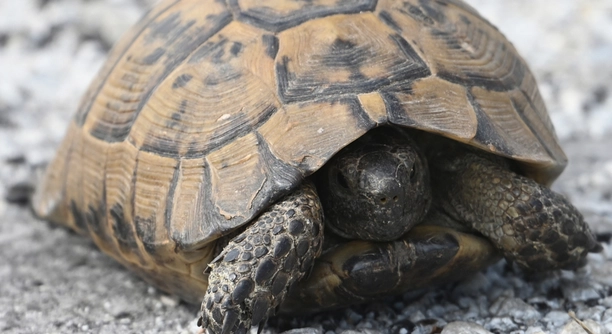
Sometimes, you may notice your Greek tortoise spending more time in its hide than usual. This behavior can be puzzling for tortoise owners who are used to seeing their pet more active.
There are several reasons why your Greek tortoise may not be coming out of its hide. Factors like temperature changes, diet issues, or stress can all play a role in your pet’s behavior.
By understanding the root causes, you can address any issues affecting your tortoise’s well-being and help it thrive. These factors range from environmental conditions to health concerns, each needing attention.
Temperature Fluctuations
Your Greek tortoise’s hide is the perfect place for it to seek shelter when the temperature isn’t right. Tortoises are sensitive to heat and cold, so if the temperature in their environment is too low or too high, they may stay hidden to regulate their body temperature.
Whether it’s due to a sudden drop in the room temperature or an overactive heat lamp, an uncomfortable environment can cause your tortoise to remain in its hide. Make sure the temperature in their habitat is stable, with a basking area between 90°F and 100°F and a cooler area around 70°F.
If the temperature is fluctuating too much, your tortoise may feel stressed or unwell, leading to avoidance of the outside area. Consistently providing the right balance will encourage your tortoise to come out and explore its enclosure. Investing in a thermometer can help monitor the environment, ensuring it’s always just right for your pet.
Stress and Anxiety
Stress can make your tortoise retreat more often.
Tortoises are sensitive to their surroundings. Any changes, such as moving their tank, loud noises, or the presence of other animals, can cause them to feel stressed. They may hide as a result of this unease.
Environmental stress is one of the top reasons Greek tortoises stay in their hides. If your pet has recently experienced a move or a loud event, it may feel overwhelmed and choose to stay hidden. Being in a calm, stable environment can help reduce stress and bring your tortoise out. Limit sudden changes in their routine and allow time for them to adjust to new surroundings. Keeping their space quiet and undisturbed can encourage a return to regular activity.
Health Issues
Illness can make your tortoise feel weak, causing it to stay hidden. Any signs of discomfort, like difficulty moving or eating, might lead your pet to retreat. It’s important to check for symptoms such as a lack of appetite or changes in behavior.
A lack of energy can often indicate a health issue. Respiratory infections or internal parasites are common problems that can make your tortoise stay inside. These conditions can cause lethargy and a noticeable decline in overall behavior. If your tortoise isn’t moving much, or if you notice mucus around its nose, it’s time to get a checkup. If left untreated, these health issues could worsen, making it difficult for your tortoise to thrive.
It’s also a good idea to check for external parasites like mites or ticks, which can cause discomfort and lead to hiding. Ensuring your tortoise has regular health checks will help catch any problems early, giving your pet the best chance at recovery and comfort.
Diet Imbalance
What your tortoise eats affects its energy and behavior. An improper diet, lacking in nutrients, can make your tortoise sluggish and uninterested in coming out of its hide.
Greek tortoises need a balanced diet of leafy greens, grasses, and some fruits to stay healthy. Offering too much high-protein food or not enough fiber can cause digestive issues. If your tortoise is experiencing any form of gastrointestinal discomfort, it may decide to remain hidden for longer periods of time.
When your pet isn’t getting the right foods, it can lead to poor digestion, weight loss, and general fatigue. This can make your tortoise feel too tired to be active. If your tortoise is in a rut, evaluate its diet to ensure it’s getting the nutrition it needs. Fresh food with the right balance of calcium and fiber will help keep it healthy and encourage outdoor exploration.
Inadequate Lighting
Poor lighting can disrupt your tortoise’s day-night cycle and keep it in hiding. Tortoises need UVB light to metabolize calcium properly and stay healthy.
Without the right UVB light, your tortoise may not get enough energy to feel active. This could lead to it staying hidden more often. Make sure your tortoise has 10-12 hours of UVB exposure daily. If using a bulb, replace it every six months to ensure it’s effective. Poor lighting can also weaken their immune system and lead to health problems, making it crucial to get this right.
Overheating
Excessive heat can make your tortoise seek shade or its hide to cool down.
Overheating from a heat lamp set too high can cause stress or dehydration. Ensure the basking area temperature is regulated to keep your tortoise comfortable. It should not exceed 100°F to avoid causing any harm to your pet.
FAQ
Why is my tortoise not eating?
If your tortoise is refusing food, there could be several reasons. It might be stressed, ill, or its environment might not be suitable. Make sure the temperature and lighting are ideal. If it’s still not eating, check for signs of illness like discharge from the nose or mouth. Digestive issues can also cause a loss of appetite, so ensure that your tortoise is getting a balanced diet with enough fiber. If the problem persists, a visit to the vet is needed to rule out any health concerns.
How long can a Greek tortoise stay in its hide?
Greek tortoises can stay in their hides for days if the conditions aren’t right. If they are hiding because of temperature fluctuations or stress, they may not come out for extended periods. They may also hide if they feel threatened or unsafe. While it’s normal for tortoises to seek shelter occasionally, prolonged hiding could be a sign of illness or discomfort. Be sure the habitat’s temperature, humidity, and lighting are adjusted correctly to encourage activity.
Can a Greek tortoise survive without UVB light?
No, a Greek tortoise cannot thrive without UVB light. UVB is essential for the synthesis of vitamin D3, which helps in calcium absorption and bone health. Without UVB light, your tortoise can develop metabolic bone disease, causing serious health problems. Ensure your tortoise gets exposure to UVB light for 10-12 hours a day. If you’re using a bulb, replace it every six months to maintain its effectiveness.
How do I know if my tortoise is stressed?
Signs of stress in a tortoise include hiding more than usual, lethargy, loss of appetite, and erratic behavior like pacing or scratching at the walls of its enclosure. Stress can be caused by environmental changes, loud noises, other pets, or even moving its enclosure. If your tortoise is acting unusually, check for any of these stressors and remove them to see if behavior improves.
What should I do if my tortoise seems sick?
If your tortoise is showing signs of illness like difficulty moving, lethargy, mucus around the nose, or changes in its shell, it’s essential to consult a veterinarian. Some common health issues include respiratory infections, parasites, or metabolic bone disease, all of which require professional care. In the meantime, ensure that your tortoise has access to a comfortable environment with proper lighting, temperature, and food while awaiting diagnosis.
How often should I feed my Greek tortoise?
Greek tortoises need to be fed daily, with their diet mainly consisting of leafy greens, grasses, and some fruits in moderation. Young tortoises may need more frequent feedings compared to adults. A proper feeding schedule helps ensure they get the right amount of nutrition for growth and maintenance. Make sure to remove any uneaten food at the end of the day to avoid mold growth.
Is it normal for a tortoise to sleep a lot?
Yes, it’s normal for a tortoise to sleep a lot, especially during colder months. Tortoises are diurnal, meaning they are most active during the day, but they do tend to sleep when they feel comfortable and secure. However, if your tortoise is sleeping excessively or seems lethargic, it could be a sign of a health problem or stress. It’s important to monitor the overall behavior and adjust the habitat if necessary.
Can I handle my Greek tortoise often?
While it’s okay to handle your tortoise occasionally, frequent handling may stress it out, especially if it’s not used to being touched. Greek tortoises are not as social as some other pets and may prefer to be left alone in their environment. If you want to handle your tortoise, do so gently and for short periods. Always make sure that their habitat remains their safe space where they can retreat when they feel overwhelmed.
How do I maintain proper humidity for my tortoise?
Maintaining humidity in the tortoise’s habitat is essential for skin and shell health. While Greek tortoises prefer a dry environment, they still need access to a slightly humid area to stay hydrated. You can maintain humidity by misting the enclosure occasionally or placing a shallow water dish. However, avoid excessive moisture, as it can lead to respiratory infections or mold growth in the enclosure.
Why is my tortoise basking so much?
Tortoises bask to regulate their body temperature and absorb essential UVB light. If your tortoise is basking more than usual, it may be trying to warm up or get the necessary UVB exposure. However, if the basking behavior seems excessive or if the tortoise is unable to regulate its temperature properly, you may need to check your habitat setup. Ensure the basking area is not too hot and that the temperature gradients in the enclosure are balanced.
What are the signs of a healthy Greek tortoise?
A healthy Greek tortoise should have clear eyes, a dry and smooth shell, and active behavior. It should have a good appetite, regularly move around its enclosure, and not hide for long periods. A healthy tortoise’s shell should not have cracks, soft spots, or signs of deformity. Regular, normal urination and defecation are also good signs of health. Keeping track of their habits will help you notice any potential issues early.
How do I set up a proper enclosure for my Greek tortoise?
Setting up a proper enclosure involves ensuring proper temperature, lighting, and space. The enclosure should be large enough for your tortoise to move around freely. Include a basking area with a heat lamp (90-100°F) and a cooler side (around 70°F). Add UVB lighting, a shallow water dish, and non-toxic plants. The substrate should be easy to clean, such as reptile-safe bedding or sand, and avoid using anything too moist, which can lead to respiratory problems.
Final Thoughts
Understanding why your Greek tortoise is staying in its hide is important for ensuring its well-being. There are several factors that could be at play, from temperature and lighting to diet and stress. By paying attention to the environment, you can make adjustments that help your tortoise feel more comfortable and active. It’s essential to create a stable habitat, with the right temperature and UVB lighting, to promote healthy behavior. A proper diet and regular health checks also contribute to your tortoise’s overall happiness and longevity.
If your tortoise is hiding more often than usual, it’s important to observe its behavior carefully. Sometimes, it may simply be adjusting to a change in its environment, but prolonged hiding can indicate an issue that needs to be addressed. Checking the temperature, humidity, and lighting can help rule out environmental causes. If these factors are balanced and your tortoise still shows signs of distress, it may be time to look into potential health problems or stress factors. A visit to the vet can help if you’re unsure of the cause.
By staying informed and proactive, you can help your Greek tortoise live a healthy and comfortable life. Small changes to its environment, diet, and routine can make a big difference in its behavior. Being attentive and responsive to your tortoise’s needs ensures that it will feel secure enough to explore its surroundings and stay active. With the right care, your Greek tortoise will enjoy a fulfilling life, full of curiosity and activity.

Hello,
If you enjoy the content that we create, please consider saying a "Thank You!" by leaving a tip.
Every little bit helps us continue crafting quality advice that supports the health, happiness, and well-being of pets around the world, for pets of all shapes, sizes, and species.
We really appreciate the kindness and support that you show us!