
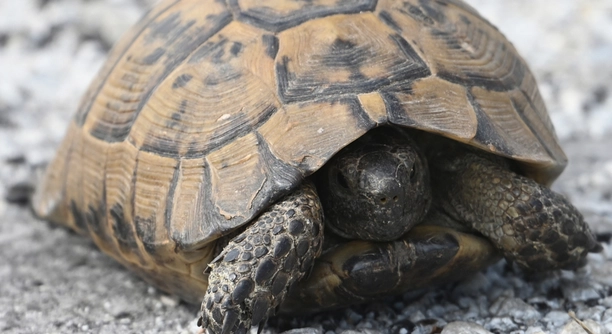
Heatwaves can be challenging, not just for us but for our beloved pets, like Greek tortoises. Ensuring they stay cool during these hot spells is important for their health and well-being.
The best way to keep your Greek tortoise cool during a heatwave is by providing a shaded, cool environment, ensuring constant access to fresh water, and reducing exposure to direct sunlight. These measures help prevent overheating and dehydration.
Keeping your tortoise comfortable during extreme heat involves more than just shade and water. There are several steps that can make a significant difference in their well-being.
1. Create a Shaded Area for Your Tortoise
During heatwaves, providing a shaded area for your tortoise is essential. A shaded spot, whether natural or artificial, helps regulate your tortoise’s body temperature. Direct sunlight can cause them to overheat quickly. Using umbrellas, tarps, or natural features like bushes can offer good shelter. It’s important that this shaded area remains cool, with proper ventilation to prevent any build-up of heat.
Make sure the shade is large enough for your tortoise to move around comfortably. The more space they have, the less stressed they’ll feel. Additionally, keep the shaded spot away from any reflective surfaces that can intensify the heat, like windows or metal.
If you don’t have many trees or natural shade around, consider building a small shelter or providing a wooden box that they can crawl into. Just ensure it’s not too enclosed and allows for air circulation, so they don’t feel trapped. The key is to offer them a cool retreat from the sun.
2. Ensure Plenty of Fresh Water
Fresh water should always be available to your Greek tortoise, especially during hot weather. Make sure the water dish is shallow and easy to access. It should be cleaned daily to prevent bacteria from growing.
Tortoises need hydration, particularly during heatwaves, and will drink more than usual to stay cool. Keeping the water dish in a shaded area prevents it from heating up too quickly.
3. Avoid Handling Your Tortoise in the Heat
During heatwaves, it’s important not to handle your tortoise too much. Overexertion can increase the risk of them getting too hot. Keep interactions minimal and allow them to rest. If they must be moved, do it only when necessary and avoid long exposure to the sun.
Even a brief handling session in the heat can stress them out. They may also struggle to regulate their body temperature during these moments. Keep handling to a minimum and let your tortoise rest in a cool spot. Let them stay where they feel safe and relaxed, away from heat sources.
Tortoises don’t need constant attention. Letting them roam freely in a cool area without interference will help them stay calm. This also gives them a chance to hydrate or dig into the cooler earth, which naturally helps with temperature control. Let them be for their well-being.
4. Use a Cooling Mat
Cooling mats are a great way to help your tortoise beat the heat. These mats are designed to provide a cooler surface for them to rest on. Placing one in their habitat, especially near their shelter or hideaway, can help them stay cool during the hotter parts of the day.
Cooling mats are often made with non-toxic materials and are safe for your tortoise. Place the mat in a shaded area, allowing your tortoise to lie on it and absorb the coolness. These mats are especially helpful for tortoises that are sensitive to extreme heat and need a little extra help to stay comfortable. They also help to reduce the risk of overheating when the air temperature rises.
It’s essential to monitor the mat for cleanliness and moisture. Some cooling mats need to be chilled in the refrigerator before use. Always read the instructions carefully to ensure the mat stays effective and safe for your tortoise. The goal is to offer relief without causing any stress.
5. Provide a Cool, Damp Environment
In hot weather, a slightly damp environment can help cool your tortoise. You can lightly mist the area around their habitat or place damp towels in their shelter. Just ensure the humidity doesn’t get too high, as that can lead to other health issues.
It’s important not to soak the tortoise or their living space completely. A light misting is usually enough to offer a little relief. Tortoises can absorb some of the moisture through their skin, which helps them stay hydrated and cool.
Check the temperature and humidity often to ensure the environment remains comfortable. A simple hygrometer can help track these conditions and avoid excess moisture buildup.
6. Keep Your Tortoise Indoors During Extreme Heat
When the temperature rises too high, it’s safest to bring your tortoise indoors. While outdoor time is healthy, extreme heat can quickly lead to dehydration or heatstroke. Keep your tortoise inside during the hottest part of the day.
If your tortoise lives outdoors, you can set up an indoor habitat for such weather conditions. This can be as simple as moving their enclosure to a cooler room with good ventilation, ensuring they stay comfortable until the temperature drops. Make sure to provide shade, water, and a safe place for them to cool off.
FAQ
What temperature is too hot for a Greek tortoise?
Greek tortoises thrive in temperatures between 75-85°F (24-29°C). Anything above 90°F (32°C) can be too hot for them, especially if they are exposed to direct sunlight for extended periods. When the temperature rises too high, they risk overheating, dehydration, and even heatstroke. It’s essential to monitor the weather and make adjustments to their environment when needed.
How can I tell if my tortoise is too hot?
If your tortoise is too hot, they may show signs of stress such as lethargy, excessive panting, or attempting to move to cooler areas. A hot tortoise may also exhibit slower movements or seem overly restless, trying to escape the heat. If you notice these signs, immediately move them to a cooler, shaded area with access to fresh water.
Can Greek tortoises tolerate humidity?
Greek tortoises generally prefer dry conditions, but moderate humidity can be beneficial, especially during heatwaves. They should never be in a high-humidity environment for long periods, as it can lead to respiratory problems. It’s important to ensure that their habitat remains balanced in humidity, typically between 40-60%, and avoid excessive dampness.
Can I leave my tortoise outside during a heatwave?
It’s best to avoid leaving your tortoise outside during a heatwave. When temperatures soar, tortoises are at a higher risk of dehydration and heat stress. If they are outdoors, ensure that they have access to a shaded area and fresh water, and monitor them closely. If you can, bring them indoors during the hottest part of the day.
How often should I mist my tortoise’s habitat during heatwaves?
Misting your tortoise’s habitat lightly once or twice a day can help maintain a cool and comfortable environment. Be careful not to overdo it. Too much moisture can cause the habitat to become too humid, which is not ideal for your tortoise. A light mist should help create a cooling effect without the risk of excess moisture.
What should I feed my tortoise during hot weather?
Tortoises tend to eat less during hot weather as they conserve energy. During a heatwave, offer fresh greens like lettuce, dandelion, and grass. Avoid feeding them high-protein foods, as this can increase their metabolic rate and make them more susceptible to heat stress. Fresh, cool water is just as important to keep them hydrated.
Can I use ice to cool down my tortoise?
It’s not recommended to use ice directly on or near your tortoise. While ice may seem like an easy way to cool them down, it can cause a rapid temperature change, which could shock their system. Instead, focus on creating a cool environment through shade, misting, and access to water.
Do I need to give my tortoise a bath during heatwaves?
Giving your tortoise a bath during a heatwave can help with hydration, especially if they are not drinking enough water. Use lukewarm water in a shallow dish, ensuring that your tortoise can easily walk in and out. Never force them to stay in the water for extended periods, as this can cause stress.
Can a tortoise overheat in its shell?
Yes, a tortoise can overheat inside its shell. If the external temperature is too high, the heat can build up inside, causing distress to the tortoise. It’s crucial to monitor their environment closely and ensure they have a way to cool down, such as access to shade and fresh water.
Is it safe to use a fan for my tortoise?
Using a fan can help circulate air and cool down the environment for your tortoise, but it should be used carefully. Make sure the fan is not blowing directly on your tortoise, as this could stress them out or dry them out. Place the fan in the room or near their habitat to keep air flowing without causing discomfort.
What are the best ways to keep my tortoise cool at night?
At night, temperatures generally drop, but if it’s still warm, ensure your tortoise has access to a cooler area indoors. You can use cooling mats or provide a damp towel for them to rest on. Keep the room well-ventilated, but avoid cold drafts, as rapid temperature changes can stress your tortoise.
How long can a tortoise stay outside in hot weather?
Your tortoise should not stay outside for long periods during extreme heat. Even with access to shade and water, it’s important not to expose them to direct sun for too long. During heatwaves, it’s safest to bring your tortoise indoors during the hottest parts of the day to prevent overheating.
What should I do if I suspect my tortoise is overheating?
If you think your tortoise is overheating, immediately move them to a cooler area. Offer them fresh water and ensure they are in a shaded or air-conditioned room. Monitor their behavior closely. If the signs of overheating persist, consult a vet for advice on cooling them down safely.
Final Thoughts
Keeping your Greek tortoise cool during a heatwave is crucial for their health and well-being. Tortoises, like all animals, can struggle to regulate their body temperature, especially when it gets extremely hot. By taking a few simple steps, such as providing shaded areas, fresh water, and a cool place to retreat, you can help prevent overheating and dehydration. The best way to care for your tortoise during these hot periods is by creating a comfortable environment where they can stay safe and relaxed.
It’s important to remember that your tortoise may not show signs of stress right away, so it’s essential to be proactive. Ensure that they have access to plenty of fresh water and avoid handling them too much during the heat of the day. Keeping their environment shaded and cool with cooling mats or damp towels can also make a significant difference. When in doubt, bringing your tortoise indoors during extreme heat is always a safer choice. Your tortoise will benefit from being in a temperature-controlled environment where you can better monitor their comfort.
Taking care of a Greek tortoise requires attention and understanding, especially in extreme weather. By monitoring the temperature and humidity, ensuring they have enough hydration, and limiting exposure to high heat, you can help them thrive. While it might take some extra effort during a heatwave, the peace of mind that comes from knowing your tortoise is comfortable and safe is well worth it. The key is simple: be mindful of their needs, and they will thank you with their health and happiness.

Hello,
If you enjoy the content that we create, please consider saying a "Thank You!" by leaving a tip.
Every little bit helps us continue crafting quality advice that supports the health, happiness, and well-being of pets around the world, for pets of all shapes, sizes, and species.
We really appreciate the kindness and support that you show us!